
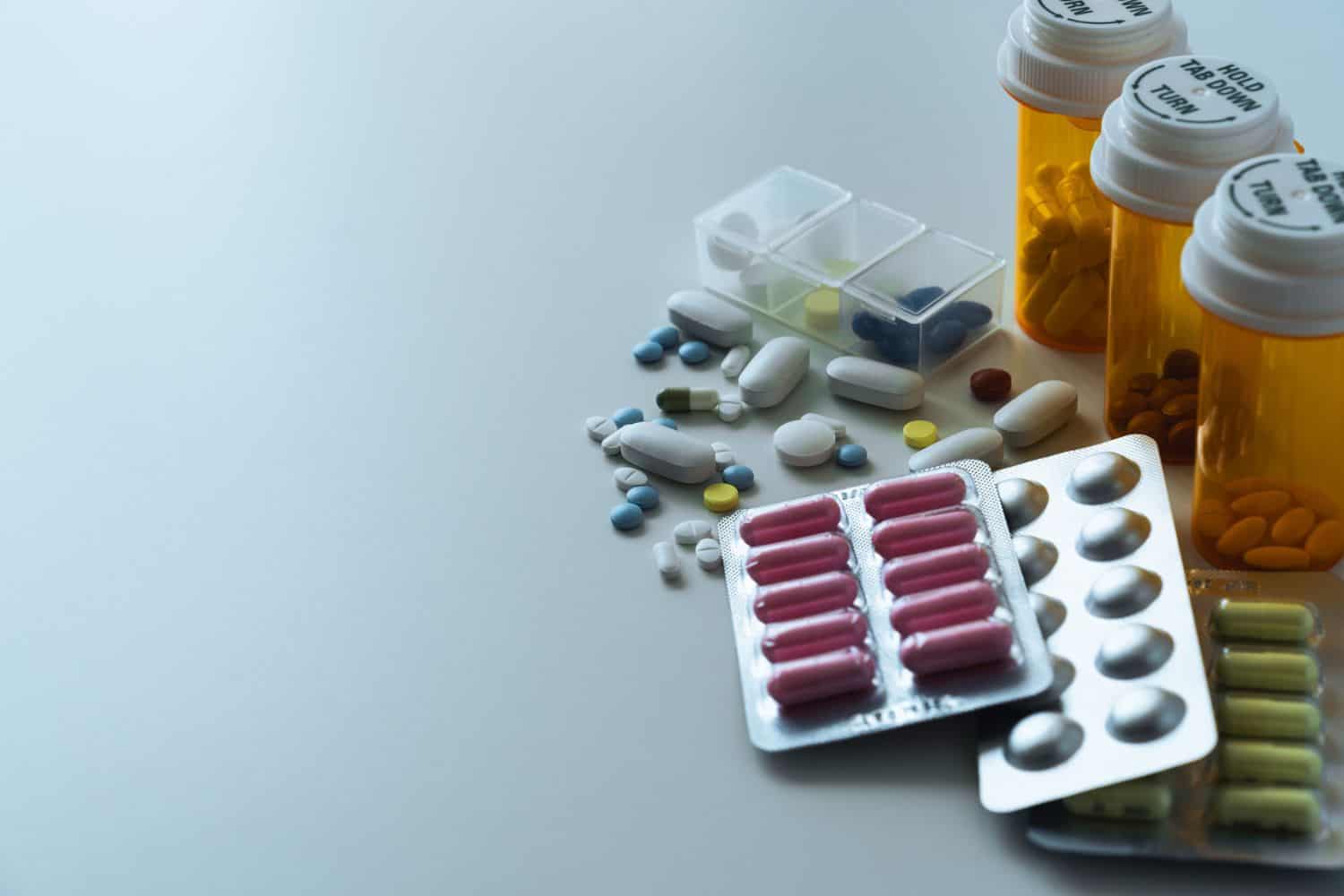
Gauteng health officials urged residents not to share prescribed medicines, even when symptoms look alike. The Gauteng Department of Health (GDoH) has warned residents on Monday not to share their pills with family, friends, and neighbours. According to spokesperson Steve Mabona, sharing medicine can put lives at risk. Why sharing prescribed medicine is dangerous Mabona said a prescription was written for one person only. He said the same symptoms did not mean the same treatment. “Every prescription is based on an individual’s specific health condition, medical history and treatment needs.” He explained that a pill that helped one person could hurt another. “What may be safe and effective for one person could be harmful to another.” Take your treatment exactly as prescribed According to Mabona, patients with HIV, TB, hypertension, diabetes, asthma, epilepsy and mental health conditions needed to be especially careful. He highlighted that missing doses could cause serious problems. “Skipping doses, taking medication incorrectly or stopping treatment without consulting a healthcare professional can reduce the effectiveness of treatment and place patients at risk of serious health complications.” The department also warned against misusing antibiotics. It said they did not work on flu or the common cold. “The unnecessary use of antibiotics contributes to antimicrobial resistance, making infections more difficult to treat and increasing the risk of complications”. Patients on antibiotics should finish the full course, even if they feel better. How to store and throw away medicines safely Mabona said medicines should stay in their original packaging. They should be kept away from children, sunlight, heat and moisture. “Not all medicines require refrigeration, and members of the public who are uncertain about storage requirements are encouraged to seek advice from a pharmacist.” He said people should check their medicine cabinets often. Expired or unwanted medicines should go back to a pharmacy, clinic or hospital. “Unused medicines should never be thrown into toilets, sinks or drains, as this can pose a risk to public health and the environment.” Ask questions and use your pharmacist The department said vaccination also remained an important way to prevent disease. It urged patients to be active in their own care. “The department encourages patients to take an active role in their healthcare by asking questions about their treatment.” Mabona said September was Pharmacy Awareness Month. This year’s theme was “Empowering Pharmacists for Healthier Futures”. “Communities are encouraged to make use of their expertise whenever they need advice about their treatment.”
Why sharing your pills can harm your health, Gauteng Health warns
Full Article
Original Source
Read the full article at Citizen →KhanList aggregates and links to publicly available news content. We do not host full articles from third-party sources. Always verify important information with original sources.