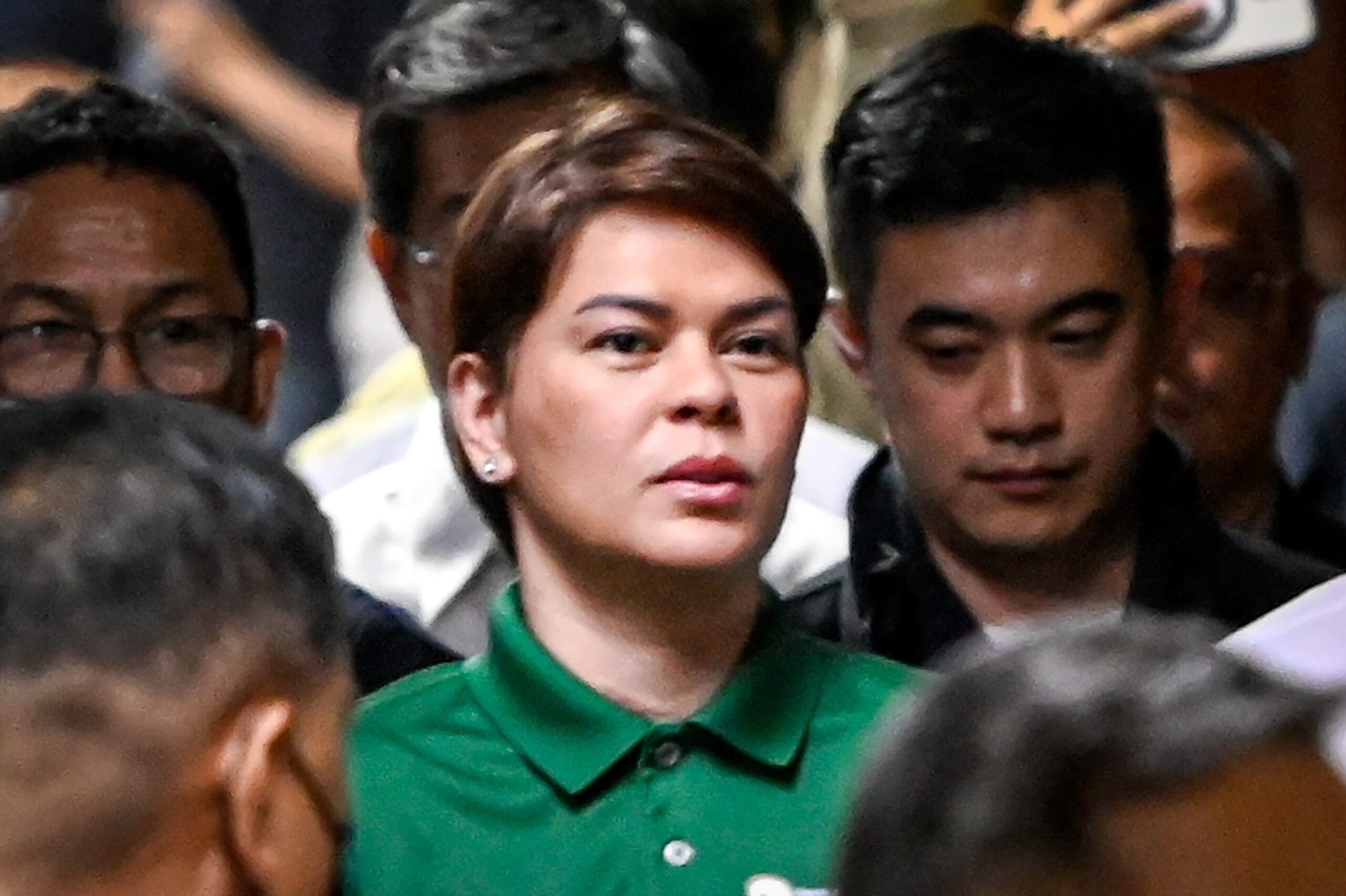
VEEP. Vice President Sara Duterte arrives at the Senate on July 7, 2026, to meet with her lawyers but does not attend the impeachment trial. Angie de Silva/Rappler The numbers and the odds are currently in favor of Duterte. Why will she make a move that could affect her chances in 2028? Third week into the impeachment trial of Vice President Sara Duterte, and the idea of her resignation has been brought up again. The prosecutors from the House of Representatives said on Wednesday, July 22, that they are not aware of such information. Bicol Saro Representative Terry Ridon, nevertheless, has a message for the Vice President. “Bakit siya magre-resign? Papunta pa lang tayo sa exciting part, guys. Papasok na ‘yong AMLC (Anti-Money Laundering Council (AMLC) records, ‘tsaka yong BIR [Bureau of Internal Revenue] records, ‘tsaka ‘yong bank records. Tingin ko magandang pangalawang pangulo pa rin siya ‘pagka hinarap na ‘yon sa paglilitis,” the House prosecutor said. (Why would she resign? We’re just getting to the exciting part, guys. The AMLC records will be here soon, as well as the BIR and bank records. I think it’s better that she’s still the vice president when we reach that part of the trial.) The defense was quick to respond to the lingering resignation talks. It was not part of the conversation within their space, said defense spokesperson Michael Poa. “Never pa namin napag-usapan ng ating Bise Presidente ‘yong resignation (The Vice President and I have never talked about resignation). So, I don’t think we even have to discuss that issue,” said Poa. Remember, impeachment conviction carries two penalties: removal from position and disqualification from holding any government position. If convicted, Duterte will not only be removed as vice president, running for president in 2028 will also be shattered. Some think that by resigning, Duterte might stop the ongoing impeachment trial against her, like what former ombudsman Merceditas Gutierrez did during the time of the late former president Benigno Aquino III. The House impeached Gutierrez for allegedly not acting on corruption scandals during the Gloria Macapagal-Arroyo administration, therefore allegedly betraying public trust. The articles of impeachment were forwarded to the Senate, where she was supposed to face trial, but she resigned even before the hearings could start. But this will not be the case for Duterte, apparently. House prosecutors are firm that a Duterte resignation won’t stop the trial, and by extension, the impeachment court’s judgment. “Even if she resigns, for example, it will not absolve, it will not even terminate the impeachment trial because the only way to terminate the impeachment trial is for the court to finally reach a decision,” said House prosecution Zia Alonto Adiong. Viable option or no need? The numbers and the odds are currently in favor of Duterte. Why would she make a move that would affect her chances in 2028? Going by the House prosecutors’ logic that the trial will be halted only if a judgment is reached, then Duterte can still run for president without resigning. She can only be convicted if there are 16 out of 21 remaining senators who will find her guilty. The majority led by Senate President Sherwin Gatchalian has only 13 members at the moment. The surviving minority consists of, among others, the Cayetanos, Villars, and Senator Bong Go, who would likely not vote to convict their ally. (READ: Where do senator-judges lean in Duterte impeachment trial?) The majority is deadlocked now, especially since impeachment court presiding officer Chiz Escudero had ruled that based on the 1987 Constitution, 16 is still the threshold number to convict an impeachable official. Unless political forces move and change the minds of minority senators, Duterte’s presidential dreams can remain secure. Plus, the impeachment court is not purely legal; it is also political. That said, the senator-judges will likely have to consider external factors (like public opinion), apart from evidence presented, in deciding their final votes. It doesn’t help the prosecution that Duterte still remains to be one of the most popular sitting public officials. As of June 29, the Vice President enjoys a net satisfaction rating of +31, compared to President Ferdinand Marcos Jr.’s -7. Duterte is also the top bet for president in 2028, based on the pre-impeachment trial survey of Pulse Asia. She received 49 points, while the closest bet, former vice president Leni Robredo got 26. But all is not lost for the prosecution. If they are able to present really compelling evidence against Duterte at the ongoing trial, it could turn the tide of public opinion. They have less than a year to do that. – Rappler.com How does this make you feel? Loading
Why resignation is not an option for Sara Duterte — at least for now
Full Article
Original Source
Read the full article at Rappler →KhanList aggregates and links to publicly available news content. We do not host full articles from third-party sources. Always verify important information with original sources.