
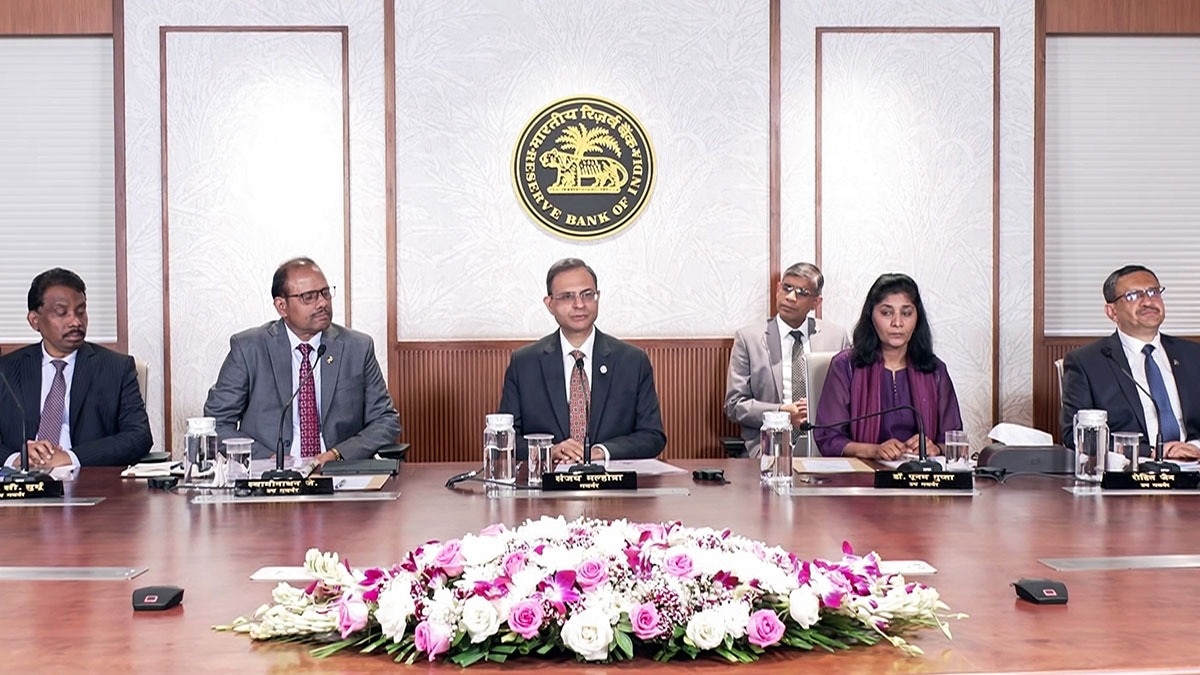
There were two key takeaways from Reserve Bank of India (RBI) governor Sanjay Malhotra’s October 7 address after the Monetary Policy Committee (MPC) of the central bank announced a 25 basis points hike in the repo rate, that is the rate at which the RBI lends to commercial banks.One was that the days of easing of rates have ended. What we will witness now is either a status quo on rates or a hike, as the RBI changed its stance from “neutral” to “calibrated tightening”. Second, the Indian economy will not maintain the 7.8 per cent growth that it did in the previous financial year, and growth will slow down to just above 7 per cent in FY27. The revised repo rate now stands at 5.5 per cent.There had been general anticipation that the RBI would hike rates, given the rising inflation and continuing war trouble in West Asia. For August, retail inflation stood at 4.82 per cent, up from 4.44 per cent in July, driven by higher food and fuel costs.The inflation numbers for September are expected soon, but it is likely to be around 5.5 per cent, suggest news reports. The RBI has revised its own estimates of inflation to 5.2 per cent for FY27. Inflation is expected to peak at 6 per cent in the third quarter of FY27, before easing in Q4 of FY27 and Q1 of FY28, it said. The two key factors driving inflation are high crude oil prices, which is hovering in the $100 a barrel range, and the vagaries of the monsoon. As per media reports, the 2026 southwest monsoon ended with a 13 per cent rainfall deficit, leaving parts of the country with depleted water reserves and damaged crops.At the same time, El Nio has strengthened sharply over the Pacific and is expected to remain a major climate influencer through the winter. The India Meteorological Department has said the event could reach the “very strong” category later this year, say reports.The other factor is the geopolitical uncertainty. Brent crude oil has again crossed the $100 mark. But the bigger worry is the logistics cost. Media reports say that more Gulf oil producers have resumed transit through the Strait of Hormuz despite the continuing threat from Iran. Crude flows through the embattled waterway reached 14.2 million barrels per day on a seven-day average on September 26, nearly 80 per cent of pre-war levels, according to analytics firm Kpler.But despite this, crude prices have been soaring. The reason for this is that the once finely tuned system designed to move enormous volumes of crude and fuel over long distances at the lowest possible cost has now been broken. Record-high tanker rates, insurance costs and a severe shortage of refining capacity have created bottlenecks across the energy supply chain. According to a Reuters report, these problems may persist for months, if not years.“Webelieve that upside risks to inflation persist as monsoon was below normal and kharif sowing has also been lower than last year,” says Jahnavi Prabhakar, economist with the Bank of Baroda. “Geopolitical uncertainty continues to persist due to the lingering West Asia conflict, which will continue to result in volatility for global oil and other commodity prices. Given these factors, we expect two more rate hikes by the central bank in FY27.”Others think there could be one more hike. A research note from HSBC said: “For now, we stick to our view that this will be a 50 basis points rate hiking cycle, of which 25 basis points was delivered today. Yes, there is risk of another, especially if growth remains resilient despite a strengthening El Nio. But for now, we don't see this as a deep rate hiking cycle.”Subscribe to India Today Magazine- Ends
Why RBI hiked repo rate and yet another round is not ruled out
Full Article
Original Source
Read the full article at Indiatoday →KhanList aggregates and links to publicly available news content. We do not host full articles from third-party sources. Always verify important information with original sources.