
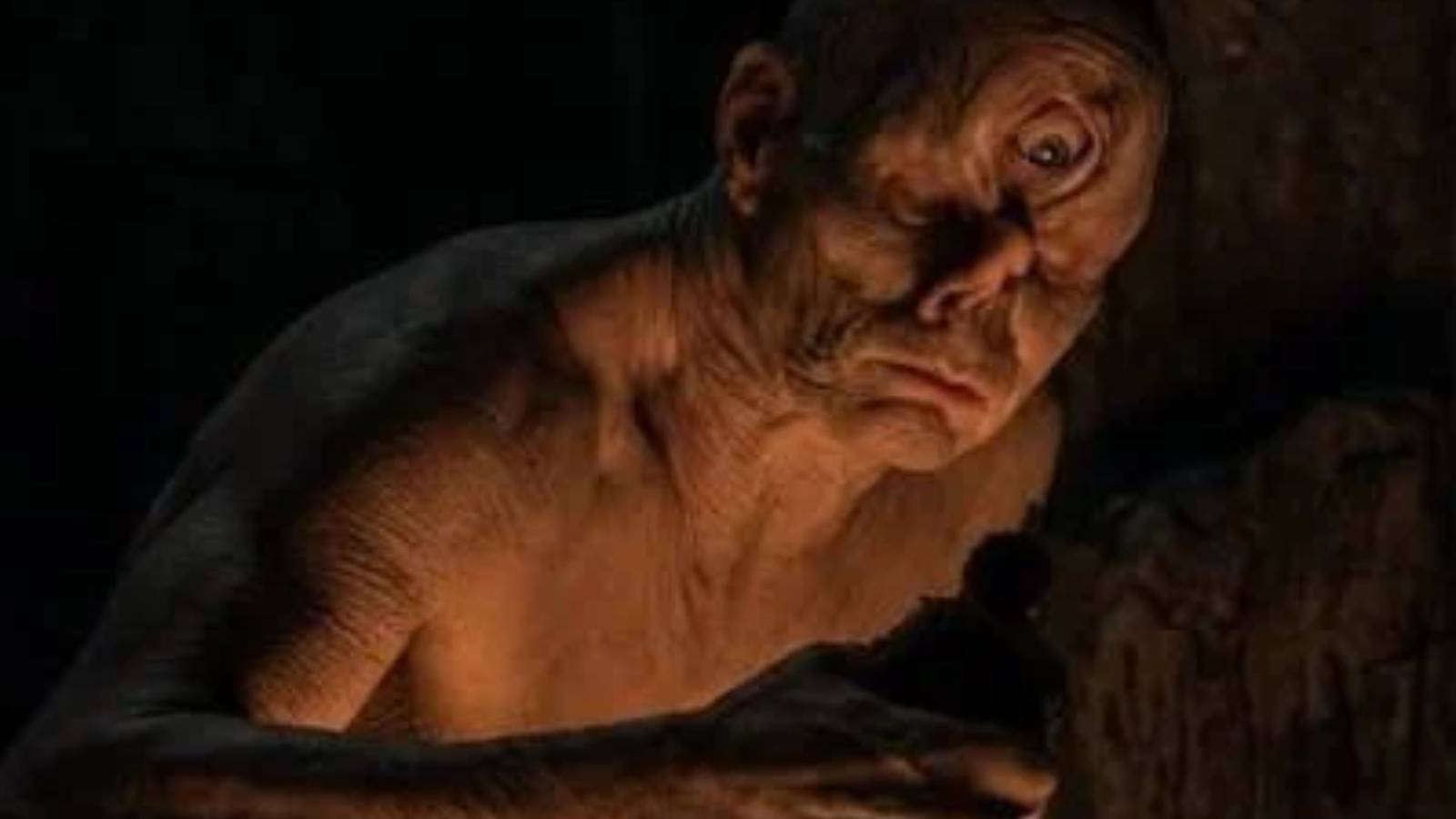
Published Sep 4, 2026, 12:55 PM EDT Shawn S. Lealos is an entertainment writer who is a voting member of the Oklahoma Film Critics Circle. He has written for Screen Rant, CBR, ComicBook, The Direct, The Sportster, Chud, 411mania, Renegade Cinema, Yahoo Movies, and many more. Shawn has a bachelor's degree in professional writing and a minor in film studies from the University of Oklahoma. He also has won numerous awards, including several Columbia Gold Circle Awards and an SPJ honor. He also wrote Dollar Deal: The Story of the Stephen King Dollar Baby Filmmakers, the first official book about the Dollar Baby film program. Shawn is also currently writing his first fiction novel under a pen name, based in the fantasy genre. To learn more, visit his website at shawnlealos.net. The Odyssey is a very long poem by Homer, and this means that Christopher Nolan had to make some major changes to the story to fit the important moments into the film's running time. The film was a massive success at the box office and critically, and Nolan knew what was important and what wasn't, so the audience could enjoy the story while keeping the most essential scenes intact. However, there is one scene in The Odyssey that didn't happen in the poem, and it is a scene that has critics wondering about the purpose of Odysseus's actions. In the movie, Odysseus and his crew continuously face obstacles on their way home from the Trojan War, and then Odysseus does one thing that ensures everyone on his crew will die before he makes it back home. He shoots an arrow at the Cyclops's eye. This made little sense, as Odysseus and his surviving crew members had already escaped from the Cyclops before he made this rash decision. When he shoots his arrow into the Cyclops's eye, the beast then curses them by calling out to his father, the sea god Poseidon, and this dooms Odysseus's entire crew because of his actions. This doesn't happen in Homer's poem, but Odysseus dooms his crew in a similar way in the written poem as well. Odysseus Shooting Polyphemus Represents His Anger & Hubris Odysseus and his crew end up trapped in the Cyclops's cave when they land on the island looking for food and supplies. Odysseus is still following Zeus's law of sharing with others when he gets there, and he assumes whoever lives in the cave will do the same. However, this is a Cyclops, and this creature begins to attack and eat members of Odysseus's crew as they remain trapped in the cave. Odysseus loses several crew members before he and his surviving crew escape after they blind the Cyclops with a heated wooden stake. As they race through the woods, they can easily make it back to their ships, but Odysseus does one very foolish thing. He turns and shoots an arrow at the Cyclops, which causes the beast to pursue them and cause much more damage. It also causes the Cyclops to call out to his father, who makes Odysseus's travels rife with danger. Odysseus could have gotten his crew back to their ships in one piece if not for this rash and unneeded action. However, Odysseus is angry that the Cyclops ate some of his crew, and he is arrogant enough to believe that he can lash out in revenge and not face any further damage. This is an example of Odysseus's pride, and it is one of many things he does wrong that doom his journey home. What Happens With Odysseus & Cyclops In Homer's Poem & Why Nolan Changed It Homer's poem does not have Odysseus shoot an arrow at the Cyclops. Instead, what happens is a longer trick that allows him and his crew to hurt the Cyclops. Just like in the movie, Odysseus blinds the Cyclops Polyphemus with a heated wooden stake, but in the poem, there are other Cyclopes outside the cave when it happens. Odysseus has a trick he uses to protect them from outside interference. Odysseus tells the Cyclops that his name is Nobody. This means that when the other Cyclopes hear the torturous screams of Polyphemus and ask who is attacking him, he responds by saying, "Nobody." The other Cyclops assumes he is being punished by a god, and no one else is there, leaving him to his punishment. It is smart, and it would have allowed Odysseus and his crew to escape and not face any of their future trials and tribulations. However, thanks to the same arrogance and pride he shows in the movie by shooting the arrow, in the poem, Odysseus yells out his real name to Polyphemus when he is leaving, so the Cyclops knows who tortured him. That allowed Polyphemus to know who to curse by calling out for Poseidon. Nolan said that he changed this from Homer's poem because "Nobody" was a pun, and it is hard to translate into English. He said that it was not possible to work the scene into his movie. In the original poem, Odysseus said his name is "Outis," which is a short form of Odysseus, but also translates to "Nobody." The double meaning is lost in translation and doesn't work in The Odyssey movie. Release Date July 15, 2026 Runtime 173 minutes Director Christopher Nolan Writers Christopher Nolan, Homer Producers Christopher Nolan, Emma Thomas Christopher Nolan's The Odyssey is a 2026 adaptation of Homer's epic poem, chronicling Odysseus's treacherous journey home from the Trojan War. Main Genre Adventure Executive Producer(s) Thomas Hayslip
Why Odysseus Shot The Cyclops With An Arrow After Escaping & How It Changes The Odyssey's Story
Full Article
Original Source
Read the full article at Screenrant →KhanList aggregates and links to publicly available news content. We do not host full articles from third-party sources. Always verify important information with original sources.