
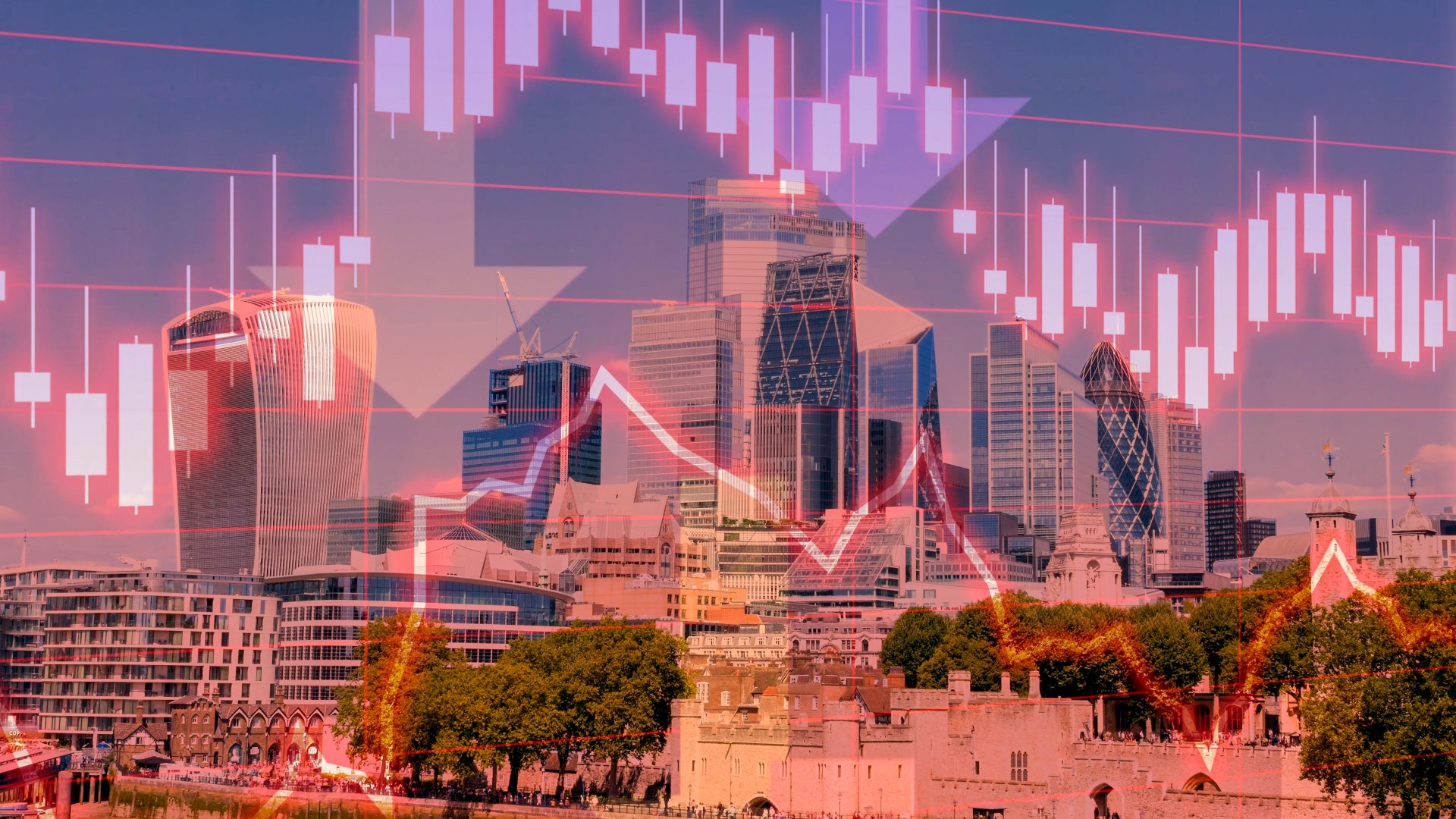
A POTENTIAL stock market crash is looming, experts have warned. But how worried should you be and what – if anything – can you do to protect your finances? The idea of a stock market crash is always scary. A market fall has the potential to wipe out years of your hard-earned savings so we give you the steps to take to shore up your finances now. We’ve spoken to the experts to find out what you need to do to crash-proof your finances Global uncertainty and worries over tech companies are adding to fears of a market collapse Credit: Getty The latest warning has been sounded after a spike in the so-called Shiller ratio. This economic measurement compares the price of the stock market to the average profits that companies have made over 10 years, signalling if the market is valued too high or low. If it’s thought to be too high, that means investors are overpaying for shares. When it looks too high it can prompt investors to sell at once potentially creating a larger market crash. Why are fears rising now? View of Houses of Parliament, overlaid with a descending economic chart, symbolising declining prosperity, reduced growth, and financial stress. Credit: Getty The Shiller Ratio recently reached its highest level since just before the dot com bubble burst in 2001, when global stock markets crashed after tech stocks soared too quickly. However, it’s not just the Ratio that has sparked worry among investors, global uncertainty and worries over tech companies are adding to fears of a collapse. Maike Currie, from PensionBee, says: “From AI bubble fears and conflict in the Middle East to higher oil prices, inflation and mounting government debt, there is plenty for investors to worry about.” But, that said, predicting a market crash is almost impossible; avoid making any money decisions based on fear or speculation. “While the Shiller ratio can be useful, investors shouldn’t mistake it for a magic crystal ball that can time a stock market crash,” says Jason Hollands, managing director at financial planning firm Evelyn. However, there are some simple steps you can take to protect your cash NOW in case the worst happens. How to protect your investments You should aim to keep your investments in place for at least five years so they can ride out any volatility Credit: Getty Because of market movements experts say to only invest money you can tie up for at least five years. This gives you time to ride out any dips and for the market to recover. Now is a good time to make sure your investments are well diversified, which means spreading your money across different regions, sectors and types of asset – such as bonds, rather than just the US stock market or tech stocks. A low-cost global tracker fund can be a good place to start. The Fidelity Index World fund invests in thousands of companies across the globe, meaning that if there is a dip in one market, it won’t hit all of your cash. The fund is up 74.7% over five years, which would have turned a £100 investment into £175. It charges 0.12% a year, which is about 12p for every £100 invested. You could then put a small amount of your money in areas away from the stock market, that may hold up better if there is a crash. Gold, for example, typically rises at times of uncertainty because it is seen as a safer bet than shares. Jason suggests the Invesco Physical Gold ETC, which tracks the price of the yellow metal. Over five years it is up 150%, and would have turned a £100 investment into £150. It also charges 0.12% a year. How to protect your pension Keeping an eye on your pension pot is always a good idea particularly when markets look shakey Credit: Getty While it may be tempting to cash out, it is much better to keep your pot invested to ride out market movements. “For pension savers, what happens in the economy and markets matters, because your pension is invested,” adds Maike. “While that can be unsettling in the short-term, it’s part and parcel of investing, and it is important to stay focused on your long-term plan.” Unless you are close to accessing your pension pot, you shouldn’t need to make changes. But it’s prime time to review your contributions. Under auto-enrolment most workers over the age of 22 contribute a minimum of 5% of their salary and their employer puts in 3%. But many companies are more generous, so find out if your employer will raise their contribution if you do the same. Those close to retirement should check where their money is invested. Pension companies often move money to less risky investments near retirement, which means you should be less affected by a market crash, but it is best to make sure. Remember, don’t make decisions from panic or speculation. Stay diversified, keep contributing and focus on your long-term goals, says Maike. How to protect your savings Making sure your savings are earning at least the rate of inflation means you aren’t losing money in real time Credit: Getty Make sure your savings are working hard, ideally paying you a rate that is higher than inflation, as this means your savings keep up with the rising cost of living. Inflation is currently 2.9% but there are plenty of accounts that pay more than this. Use comparison sites to find the best deal. You’ll need to decide whether you want an easy-access option so you can withdraw your money at any time or if you’re willing to lock in for a set period in a fixed account. Spring pays 5% on its easy-access account for balances between £10 and £5,000. Cahoot’s Sunny Day Saver pays 5% on balances from £1 to £3,000. For longer-term certainty, NS&I has fixed accounts paying 4.81% for two years or 4.83% for three years. Both have a minimum deposit of £500. How to protect your mortgage Mortgages aren’t automatically impacted by market crashes but can rise if the fallout from a crash continues Credit: Getty For homeowners, a stock market fall could affect interest rates, which could impact mortgage payments. However, if a crash led to fears about a recession, then interest rates (and therefore mortgage rates) could actually go down, says Vix Leyton, money expert at Think Money. Speak to a fee-free mortgage broker, they can help you weigh up options and you can start looking for a new deal six months before your current one ends. “Be sure to compare the total cost of any new deal, including the arrangement fees, rather than focusing only on the headline interest rate,” says Vix. Whatever you do, do something before your current fixed rate ends. Not taking action will mean you are rolled onto your lender’s standard variable rate (SVR) when your mortgage deal ends and this is usually the most expensive option, potentially adding hundreds of pounds a month to your payments. What else should I think about? Getting your household bills in order helps make sure you’re in the best position possible to withstand a financial crash Credit: Getty A stock market crash shouldn’t directly impact your household bills, but if it leads to a slowdown in economic growth or a rise in inflation, then these could have an impact. Cutting costs on your household bills is always sensible. Shop around for your insurance and be savvy on the supermarket shop. Comb your bank statement to review outgoings and cancel any unused subscriptions. When it comes to utilities like phone and broadband, don’t be afraid to negotiate at the end of your deal. Those worried about energy prices could consider a fixed tariff, which can bring more certainty to your monthly bills. Look for a deal below the energy price cap (the default tariff) and watch out for exit fees, which can be costly if you want to leave your deal early. Take your time, says Vix. You don’t want to rush into a bad decision that could see you paying more for your mortgage or other bills because you’re panicked about a predicted crash. “Ultimately, the aim isn’t to try to predict exactly what markets, mortgage rates or energy prices will do next. It’s to make sure your finances are in a position to cope with a bit more uncertainty,” Vix adds.
Why now is the time to protect your finances against a market crash as experts sound the alarm
Full Article
Original Source
Read the full article at Thesun →KhanList aggregates and links to publicly available news content. We do not host full articles from third-party sources. Always verify important information with original sources.