
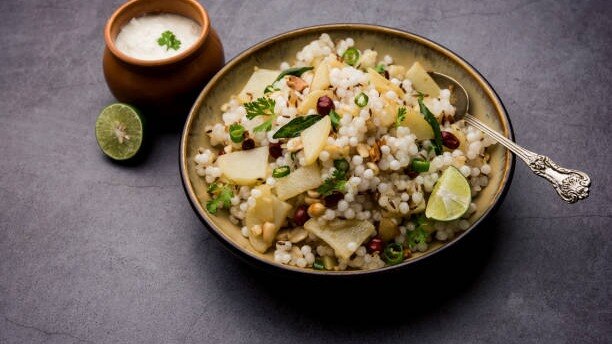
By the fourth or fifth day of Navratri, some people may notice that their stomach feels heavier than usual. Regular meals such as roti, dal, and sabzi may be replaced with vrat foods, while meal timings and eating habits may also change.For instance, someone might start the day with a cup of tea, skip meals until 3 or 4 pm and then eat a large plate of puris because of hunger. Reduced water intake, changes in fibre consumption and long gaps between meals may contribute to bloating and digestive discomfort.However, fasting does not necessarily mean that people must give up their favourite vrat foods. According to Eshanka Wahi, Dubai- and Delhi-based Culinary Nutrition and Holistic Wellness Coach and Founder, the amount of food consumed, meal timings, and the overall balance of meals can influence how the body responds during fasting.Certain foods may trigger gas, bloating or a feeling of fullness in some people, particularly when consumed in large portions or after long gaps between meals. Here are seven foods to watch during Navratri fasting. 1. FRIED KUTTU OR SINGHARA PURIS AND PAKORASPeople commonly use kuttu and singhara flour to make puris and pakoras during Navratri. However, deep-fried foods can be harder to digest for some people, especially when consumed in large quantities after several hours without food.High-fat meals may delay stomach emptying and contribute to prolonged fullness and discomfort. Wahi suggests avoiding fried foods at every meal and varying their consumption across the fasting period. Depending on individual fasting rules, adding curd or suitable vegetables can help make meals more balanced.2. SABUDANA KHICHDI AND VADASabudana is a popular fasting food that provides carbohydrates for energy. However, it is relatively low in protein and fibre when eaten on its own.A meal consisting mainly of sabudana may not provide the variety of nutrients needed for a balanced diet. Large portions can also leave some people feeling excessively full.Wahi recommends adding peanuts to sabudana khichdi and having curd alongside it, if permitted during the fast. These additions can provide protein and fat, helping make the meal more balanced.3. POTATOES IN EVERY MEALPotatoes are commonly eaten during Navratri because they are permitted under many fasting traditions and can provide energy. However, repeatedly eating meals made primarily of potatoes, sabudana and fried foods may limit dietary variety.Wahi suggests including other fasting-appropriate foods, such as bottle gourd or pumpkin, wherever religious rules permit. This can help introduce variety into meals rather than relying on the same starchy foods throughout the day.4. TOO MUCH DAIRY AT ONCEMilk, curd, paneer, lassi and kheer are popular sources of nutrition during fasting. However, consuming several dairy products in large quantities may cause discomfort in people who have difficulty digesting lactose.Symptoms can include gas, bloating and abdominal discomfort.Wahi suggests spreading dairy consumption across the day instead of eating several dairy-rich foods together. People who experience recurring symptoms after consuming dairy should consider their individual tolerance and choose suitable alternatives where permitted.5. SWEETS ON AN EMPTY STOMACHHalwa and other festive sweets are common during Navratri. While they can be enjoyed as part of the celebrations, eating large amounts of sweets after long gaps between meals may leave some people feeling uncomfortable.Wahi recommends having sweets after a meal rather than relying on them to satisfy hunger on an empty stomach. Keeping portions moderate and maintaining regular meal timings may also help prevent excessive hunger.6. LARGE BOWLS OF FRUIT AFTER LONG GAPSFruit is a useful source of vitamins, minerals, water and fibre during fasting. However, eating a very large bowl of fruit at once may cause bloating in some people.Tolerance also varies by fruit and individual. Apples and other fruits containing certain fermentable carbohydrates may trigger gas in sensitive individuals, while other fruits may be better tolerated.Wahi recommends paying attention to individual responses and choosing portions that feel comfortable rather than consuming a large quantity of fruit after several hours without food.7. LARGE PORTIONS OF MAKHANA AND NUTSMakhana, nuts and seeds are frequently consumed as fasting snacks. They provide useful nutrients, including fats, protein and minerals, depending on the food selected.However, eating large portions or continuously snacking throughout the day can contribute to excessive fullness and discomfort. Nuts and seeds are also energy-dense, so portion sizes matter.Wahi suggests consuming a satisfying portion instead of repeatedly reaching for snacks throughout the day.WHAT CAN HELP REDUCE BLOATING DURING NAVRATRIA few simple habits may help make fasting more comfortable.EAT AT REGULAR INTERVALS: Avoid going for most of the day on just tea before eating a large meal. Smaller, balanced meals may help manage hunger and discomfort.BALANCE CARBOHYDRATES WITH PROTEIN: Depending on fasting rules, combine kuttu roti with paneer or curd, or add peanuts to sabudana khichdi.STAY HYDRATED: Drink water regularly throughout the day instead of waiting until you feel thirsty. Dehydration can also contribute to constipation.CHEW SLOWLY: Eating slowly may reduce swallowed air and help prevent discomfort associated with eating too quickly.TAKE A SHORT WALK: A gentle walk after meals may support digestion and help relieve feelings of fullness.Wahi emphasises that fasting should still provide adequate nutrition. Rather than eliminating favourite vrat foods, people can focus on improving portion sizes, meal balance and variety.Since fasting practices differ across households and communities, the foods permitted during Navratri may also vary. What works for one person may not work for another. Paying attention to individual tolerance and maintaining balanced eating habits can help make fasting more comfortable.- Ends
Why navratri fasting can cause bloating and 7 foods that may trigger gas
Full Article
Original Source
Read the full article at Indiatoday →KhanList aggregates and links to publicly available news content. We do not host full articles from third-party sources. Always verify important information with original sources.