
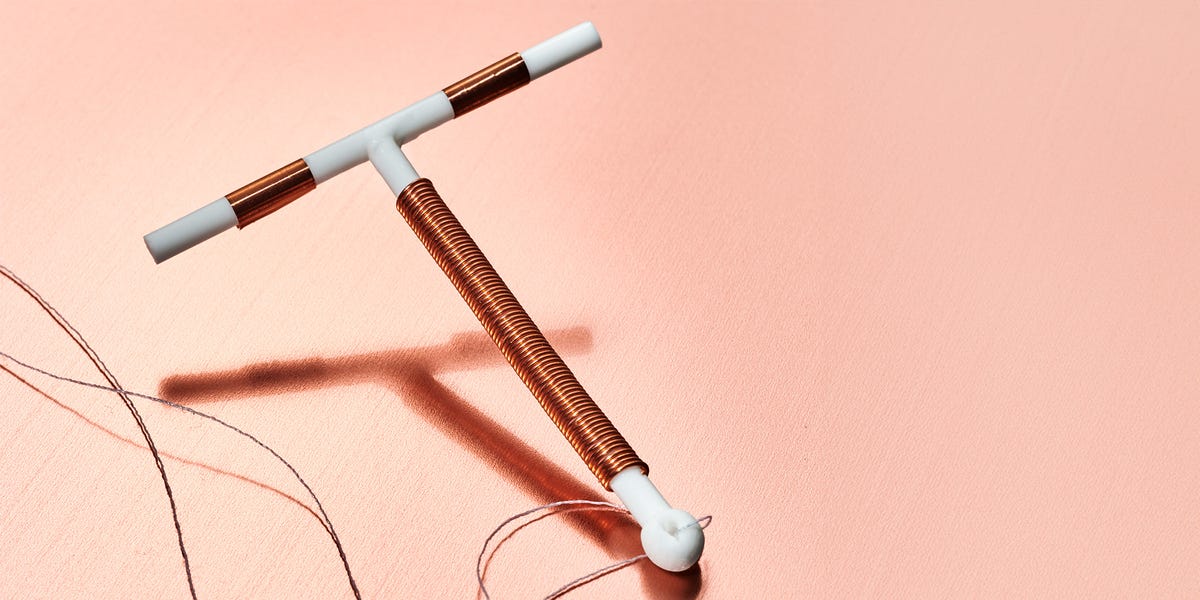
5 min readManaging menopause is basically the wild west. As such, it can be confusing (and frustrating) to know how to deal with the influx of new symptoms you might be feeling, from night sweats to suddenly heavy periods. While common forms of hormone therapy—pills, patches, topical creams—can ease these symptoms, the classic “set it and forget it” contraceptive can also come in handy.As a refresher, “perimenopause is a time of significant hormonal chaos,” says Heather Hirsch, MD, an internist, certified menopause specialist, and the author of The Perimenopause Survival Guide. “Progesterone begins to decline as ovulation becomes less consistent, while estrogen becomes much more volatile, with spikes and dips.” These hormonal fluctuations can cause anxiety, difficulty sleeping, hot flashes, night sweats, brain fog, vaginal dryness, and painful sex.Meet the experts: Heather Hirsch, MD, is an internist, certified menopause specialist, and the author of The Perimenopause Survival Guide. Sophia Yen, MD, is a reproductive health specialist and founder of Pandia Health.That’s why in perimenopause, women typically begin taking estrogen and progesterone through menopausal hormone therapy (MHT, also known as hormone replacement therapy) to ease symptoms, usually through pills and/or patches. However, “periods may pick up in intensity and more pain,” says Dr. Hirsch, and since hormonal IUDs contain a form of progesterone, they have an added bonus of helping “with decreasing bleeding and pelvic pain.”Ahead, find out how IUDs can help perimenopause symptoms, how they’re different from other hormone therapy methods, and how one could be a game changer for you.Your Guide to Hormone Therapy OptionsAs mentioned, standard menopausal hormone therapy mainly involves taking a form of estrogen (often estradiol) and progesterone together. Estrogen targets symptoms that can continue past menopause, like hot flashes and night sweats, while progesterone may also help with sleep quality and anxiety, says Dr. Hirsch. Progesterone also protects the uterine lining from getting too thick, so it decreases your risk of endometrial (or uterine lining) cancer, a condition that can happen if you’re only taking estrogen, according to a 2020 review in Drugs in Context.Your MHT prescription might be any combo of the following, according to Sophia Yen, MD, a reproductive health specialist and founder of Pandia Health:Estrogen pill + progesterone pillEstrogen patch + progesterone pillEstrogen + progesterone combination patch Topical vaginal estrogen cream (without progesterone, as it doesn’t tend to increase cancer risk because it has minimal absorption in the bloodstream) Or, along with taking estrogen in patch or pill form, you can have an IUD inserted for progesterone.Why IUDs Can Be the Move in PerimenopauseThe main perk of getting an IUD in peri or menopause is the lighter, less intense periods, says Dr. Hirsch. Hormonal IUDs contain levonorgesterol, a variant of the hormone progesterone that your body makes naturally, says Dr. Yen. Levonorgesterol can help thin your uterine lining over time so that there isn’t as much to shed each month during your period, making your flow lighter.To ease perimenopause symptoms, the IUD has to have 52 milligrams of levonorgestrel, which only the Mirena or Liletta options contain, says Dr. Yen. (Other hormonal IUDs like Skyla or Kyleena, which have lower doses of hormones, have not yet been scientifically proven for this purpose, she adds.)But IUDs can also be appealing for those who have experienced less-than-ideal side effects from the progesterone pill or patch, Dr. Hirsch adds. The pill is systemic, meaning it can affect your entire body since it travels through the bloodstream to the brain, heart, and bones. “Some people love the systemic progesterone, especially for sleep, and less anxiety; other people feel sedated, bloated, or have worsening mood symptoms,” Dr. Hirsch explains. That’s where the IUD can be helpful, since its effects are localized.Of course, another perk of IUDs is that they can prevent pregnancy, which you should still be thinking about in this stage of life: Stats from 2025 show that unplanned pregnancies among women in midlife have doubled in recent years, far eclipsing unplanned teen pregnancies in the United States.Best of all, there aren’t any major contraindications to getting a progesterone IUD, says Dr. Yen. (Of course, you’re not going to get one if you’re pregnant. But other minor contraindications include active sexually-transmitted infections, or pelvic inflammatory disease infections.)The only downside is the (notoriously painful) process of getting it placed. In fact, a 2023 study in The European Journal of Contraception & Reproductive Health Care assessed the pain of over 1,000 women who got IUDs placed, and about half of women who had an IUD insertion said they felt “intense” pain, compared to none, light, or moderate pain. (But you can do something about it—more on that in a sec.)Who Should (And Shouldn’t) Opt for an IUD in MenopauseIf you have heavy periods, have bad reactions to other forms of progesterone (pill, patches, etc.), and hate taking a bunch of pills and/or remembering to reapply patches, the IUD may be for you. Just make sure you ask your doc for a paracervical block to numb your cervical area so the procedure is less painful, Dr. Yen adds. Then, check in with your doctor once you’re near the five-year mark: Mirena and Liletta technically last eight years for pregnancy prevention, but studies show that their uterine protective effects and efficacy for heavy bleeding during perimenopause only last five years as of right now.However, you may not be a great fit for an IUD if your periods are not necessarily heavy, but really irregular, as your periods will likely stay irregular on the IUD, Dr. Yen says. Instead, the better option may be a hormonal birth control pill or ring that works to block ovulation and keep your cycle on track.Additionally, for those with a history of hormone receptor-positive cancers (some types of breast cancer, endometrial cancer, or ovarian cancer) taking too high of doses of estrogen and sometimes progesterone via an IUD, pill, or patch can increase the chances of cancer recurrence. Instead, you may be a candidate for a topical vaginal estrogen cream, which also helps “to decrease painful sex, friction with intercourse, and even recurrent UTIs,” Dr. Hirsch says.Dealing with your birth control once every five years, especially if you have a lifestyle that’s full of a fast-paced career, family life, and travel, could be a win. Above all else, it might mean five years of a much more comfortable perimenopause experience.
Why IUDs Can Ease Perimenopause Symptoms—And Who They’re Right For, According to Doctors
Full Article
Original Source
Read the full article at Womenshealthmag →KhanList aggregates and links to publicly available news content. We do not host full articles from third-party sources. Always verify important information with original sources.