
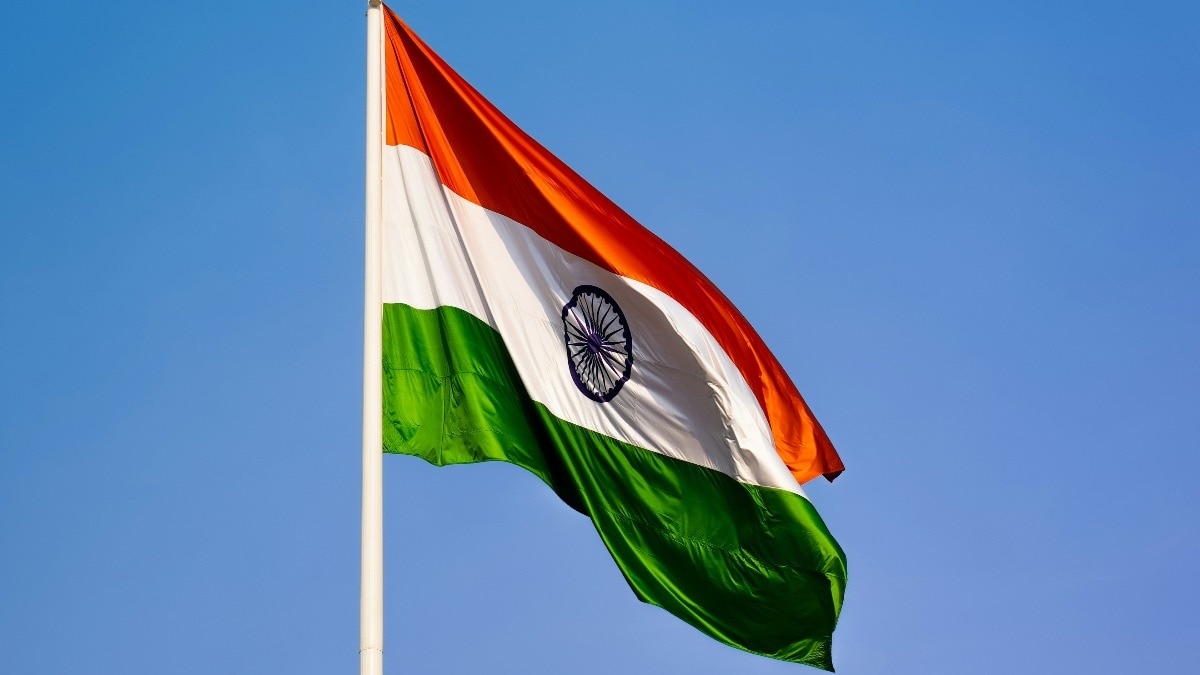
Every August 15, the Tricolour is hoisted across India, from the Red Fort to schools, offices and residential colonies. But why do we hoist the flag on Independence Day, and how is it different from Republic Day?The Tricolour is hoisted on Independence Day to mark India's freedom from British rule. Here's the history behind the ceremony, how it differs from Republic Day and the rules for displaying the flag.Every August 15, the sight of the Tricolour being hoisted marks one of India's most important national celebrations. From the Prime Minister's ceremony at the Red Fort to flag-hoisting programmes at schools, offices, colleges and residential colonies, the ritual is now part of the fabric of Independence Day celebrations. But there is a small detail many people may not know: the flag ceremony on August 15 is different from the one held on Republic Day. The distinction comes from the history of the two occasions. While Independence Day marks India's freedom from British rule in 1947, Republic Day marks the day the Constitution came into effect in 1950.WHY IS THE TRICOLOUR HOISTED ON AUGUST 15?India became independent from British rule on August 15, 1947. The annual Independence Day flag-hoisting ceremony commemorates that historic moment and celebrates the country's freedom.At the national level, the Prime Minister hoists the Tricolour at the Red Fort before addressing the nation. Similar ceremonies take place at state, district and local levels, as well as in schools, offices and residential communities.FLAG HOISTING VS FLAG UNFURLING: WHAT'S THE DIFFERENCE?The terms flag hoisting and flag unfurling are often used interchangeably, but there is a distinction in the ceremonies. On Independence Day, the Tricolour is hoisted from a lower position to the top of the flagpole. On Republic Day, the flag is already positioned at the top and is unfurled by the President.The difference is linked to the history of the two national occasions. August 15 marks India's independence, while January 26 commemorates the Constitution coming into effect in 1950.WHO HOISTS THE FLAG ON INDEPENDENCE DAY? The Prime Minister leads the national Independence Day ceremony at the Red Fort.At state and local levels, the appropriate constitutional or administrative authorities conduct the ceremonies. Schools, colleges, offices and residential communities also hold their own programmes, usually led by the head of the institution, office-bearer or an invited guest.HOW DO RESIDENTIAL COLONIES CELEBRATE INDEPENDENCE DAY?Flag-hoisting has also become an annual community tradition in many residential colonies.The RWA of DDA Flats in Khidki, for instance, has organised flag-hoisting and cultural programmes on Independence Day and Republic Day for the past 16 years. According to the association, the tradition has continued without a break, with children, youngsters, women and senior citizens taking part.This year, the Independence Day programme was organised at Central Park, also known as Maharaja Suraj Park, at 10:15 am on August 15. Chief guest Dr Yoganand Shastri, South Delhi Mayor Dharmveer, former municipal councillor of Chirag Delhi Rakesh Gulia and police official Vinay Yadav, among others, attended the event organised by RWA president and resident of the society, Surendra Chaudhary.Such celebrations show how the Tricolour ceremony has moved beyond official events and become a community tradition.WHAT ARE THE RULES FOR DISPLAYING THE TRICOLOUR?The display and use of the Indian national flag are governed by the Flag Code of India, 2002, along with relevant amendments and laws.The code sets out rules on how the national flag should be displayed and handled. The Tricolour must be treated with dignity and respect, while its position, manner of display and handling must follow the prescribed provisions.WHY DOES THE FLAG-HOISTING CEREMONY MATTER?The annual Independence Day flag-hoisting ceremony is a reminder of India's freedom and the history behind August 15. At the national level, it is a major state ceremony. At the community level, it brings residents together for a shared national celebration.For children especially, school and community flag-hoisting events can be their first direct participation in an Independence Day tradition. The ceremony therefore serves two purposes: it commemorates India's independence and keeps that tradition alive at the local level.- EndsPublished By: vaishnavi parasharPublished On: Aug 15, 2026 16:09 IST
Why is the Tricolour hoisted on Independence Day? Here's what it means
Full Article
Original Source
Read the full article at Indiatoday →KhanList aggregates and links to publicly available news content. We do not host full articles from third-party sources. Always verify important information with original sources.