
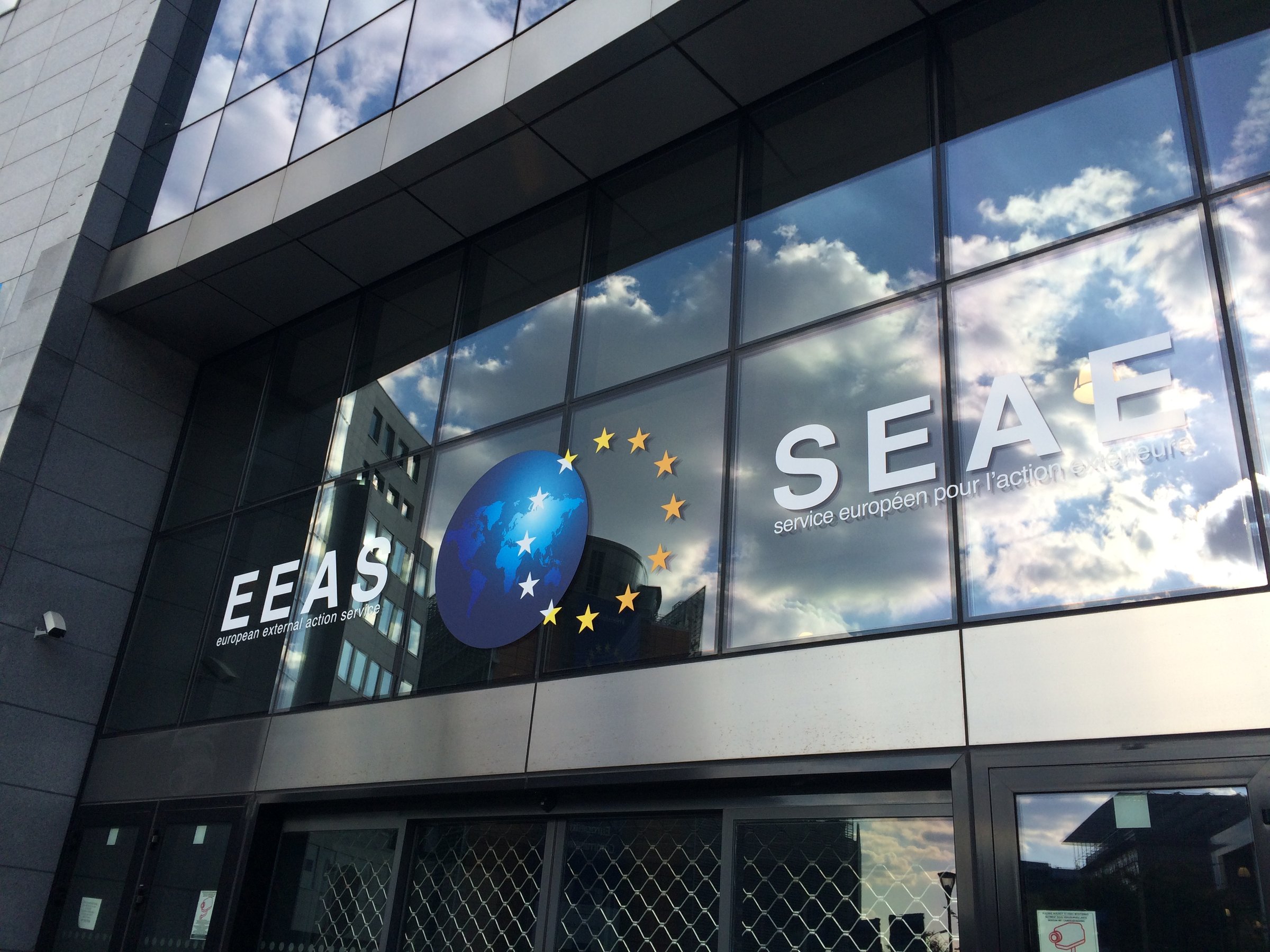
The resumption of activity in Brussels has arrived with big headlines on EU foreign policy: member states left the foreign affairs ‘Gymnich‘ in Wicklow, Ireland, with fresh proposals on reforming the European External Action Service. For those of us working on this dossier, it is great news that, finally, there seems to be a proper Council reflection on the model and the actual distribution of external competences in the EU. This is precisely what I have been insistently calling for many years: that this debate takes place. Because the dynamic of this turf war between institutions implies that the Commission gains ground from the EEAS silently, bit-by-bit, without an overall assessment. Therefore, these reflections within the Council are more than welcome. The debate now focuses on how to improve the alignment and the coherence of EU foreign policy in the face of so-called ‘duplicities’. Duplications – but who duplicated them? However, the question should not be the existence of duplicities, but rather who created them – and who allowed them to be created – over time. Because it was the EU Commission that expanded the geographic scope of its DGs. It handed over to commissioner Maroš Šefčovič all aspects of EU relations with the UK, not only trade. It planned to create a second intelligence cell in the Secretary General, other than the EU Intelligence and Situation Centre (EEAS INTCEN), and a “Security College” - that duplicates the political and security committee in the Council. And it attended the inaugural session of the Board of Peace without a mandate. The justification for these duplications is simple: they exist because the commission had a budget available, while the EEAS did not. And now, it is the commission who, once these duplications are in place, draws attention to how undesirable, inconvenient and ineffective they are, and is calling on the council to put an end to them. The budgetary logic in the EU during these past few years regarding foreign policy has morphed into a “constitutional mutation”, whereby, instead of adjudicating competences, and then funding them, there is an informal attribution of competence to the institution that has the money to exercise them, without changing the treaties. It is therefore reasonable to suspect that there has been a deliberate strategy to financially strangle the EEAS in order for the commission to de facto gain ground on EU foreign policy. Psychological exhaustion This situation has, in turn, led to psychological exhaustion amongst the excellent professionals in the EEAS, who feel that their work is fruitless because they lack the resources to properly carry it out. As well as other larger consequences for the EU's presence in the world. I am not wholeheartedly defending the current model – a change might be necessary. But the current dynamic of silent “budgetary subjugation” is simply unacceptable. We need to clearly decide who does what, and then, fund that institution accordingly. And that process, by all means, needs to include the council, the commission, the EEAS and the parliament, in order to guarantee a proper democratic oversight.
Why is the Berlaymont trying to strangle the European External Action Service?
Full Article
Original Source
Read the full article at Euobserver →KhanList aggregates and links to publicly available news content. We do not host full articles from third-party sources. Always verify important information with original sources.