
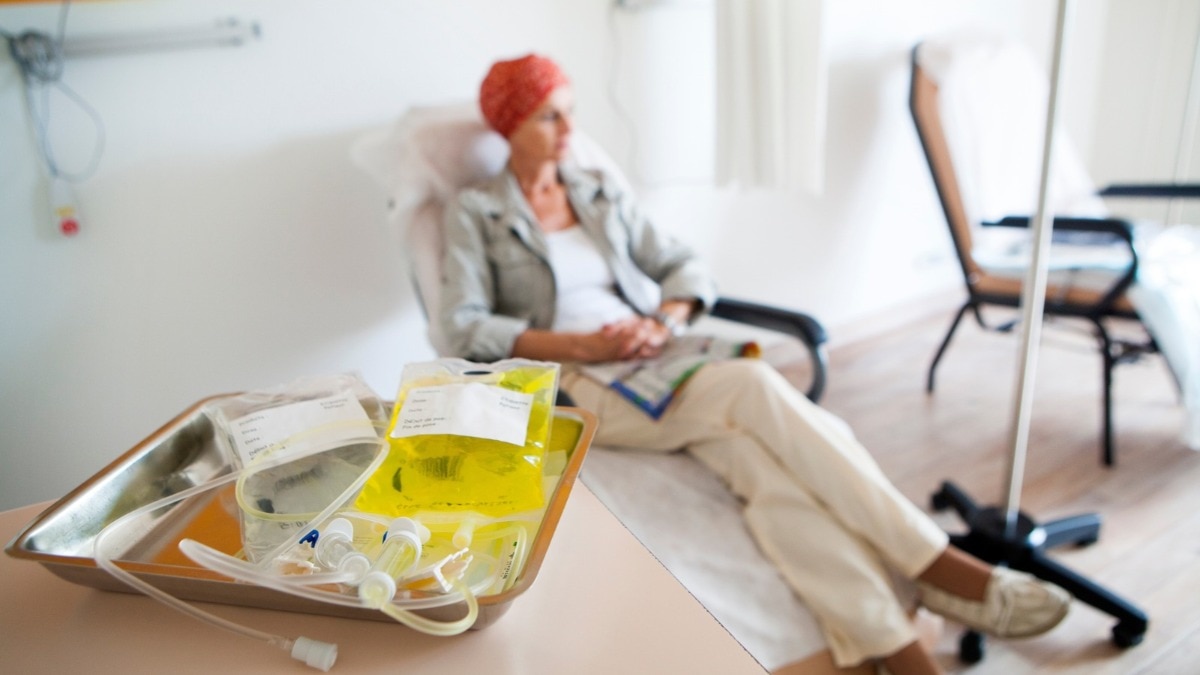
There is now a cap on the high margins earned by distributors, but where pharma firms themselves charge exorbitant rates, the intervention offers little reliefPatients battling breast, prostate, lung and colorectal cancer could see substantial reductions in their treatment bills now as the government has slashed prices of a host of cancer medicines, by up to 93 per cent. Yet, some of the most expensive cancer drugs remain untouched, raising questions about how far the relief would extend.The National Pharmaceutical Pricing Authority (NPPA) has revised the maximum retail prices of 543 cancer medicine brands and pack sizes. This follows its October 17 decision to cap trade margins on 137 anti-cancer drugs at 30 per cent.Among the biggest beneficiaries are patients with hormone-sensitive breast cancer. A 21-capsule pack of Palbopro, containing palbociclib, will now cost Rs 2,720 instead of Rs 40,421—a reduction of nearly 93 per cent. The price of another breast cancer medicine, Womazol (anastrozole), has fallen from Rs 459 to just Rs 40 for 10 tablets. For prostate cancer patients, Abiralieva (abiraterone acetate) has become 83 per cent cheaper, with a 120-tablet pack costing Rs 4,840 instead of Rs 28,000.Patients with colorectal, lung and kidney cancers could also benefit. Ivzumab, a brand of bevacizumab used in treating these cancers, will cost Rs 13,512 instead of Rs 69,852 for a 400 mg vial. The chemotherapy drug Thiotepa has seen a similar steep reduction, from Rs 80,072 to Rs 7,150 for a 100 mg vial. The savings could run into lakhs of rupees for patients requiring repeated treatment cycles. The government estimates that the intervention could save cancer patients approximately Rs 2,500 crore annually.However, the reductions vary dramatically between brands. While Ivzumab has become considerably cheaper, Avastin, another brand of bevacizumab, remains priced at approximately Rs 1.24 lakh for the same 400 mg strength. At least 65 expensive, single-source cancer medicines have seen no reduction. These include Keytruda, an immunotherapy used for several cancers, remains priced at Rs 2.16 lakh for a 100 mg vial. Tagrisso, used for certain lung cancers, is another medicine whose price remains unchanged.The difference lies in how the government has regulated prices. Rather than directly capping what manufacturers charge, the NPPA has restricted the margins earned by distributors and other intermediaries. Where these margins were unusually high, prices have fallen sharply. But where manufacturers themselves charge high prices, particularly for patented medicines without cheaper competitors, the intervention offers little relief.Patient advocacy groups argue that this leaves the fundamental affordability problem unresolved. S. Srinivasan, co-convenor of the All India Drug Action Network (AIDAN), an independent network of NGOs working to improve access to essential medicines, says that expensive medicines remain beyond the reach of many cancer patients despite the revisions. He advocates returning to a cost-based pricing formula rather than relying solely on reductions in trade margins.AIDAN co-convenor Malini Aisola questions whether the reductions would last. Referring to medicines previously subjected to similar controls in 2019, she says: “The return of excessive margins/markups on brands that were previously covered by TMR (trade margin rationalisation) in 2019 shows a failure to keep prices under effective control and indicates a big regulatory gap.”AIDAN's analysis found that estimated markups on 41 of 50 medicines examined exceeded 100 per cent, despite earlier government intervention.Another concern involves patient assistance programmes, under which manufacturers provide free or discounted medicines. Their exclusion from the government's price calculations, AIDAN argues, may have reduced the extent of price cuts.For patients, the immediate benefit will, therefore, depend not simply on the type of cancer they have but on the particular medicine and brand prescribed. While some families could save substantial sums, others requiring costly patented treatments may see virtually no change in their bills.Subscribe to India Today Magazine- Ends
Why India's massive cancer drugs price drop may not benefit all
Full Article
Original Source
Read the full article at Indiatoday →KhanList aggregates and links to publicly available news content. We do not host full articles from third-party sources. Always verify important information with original sources.