
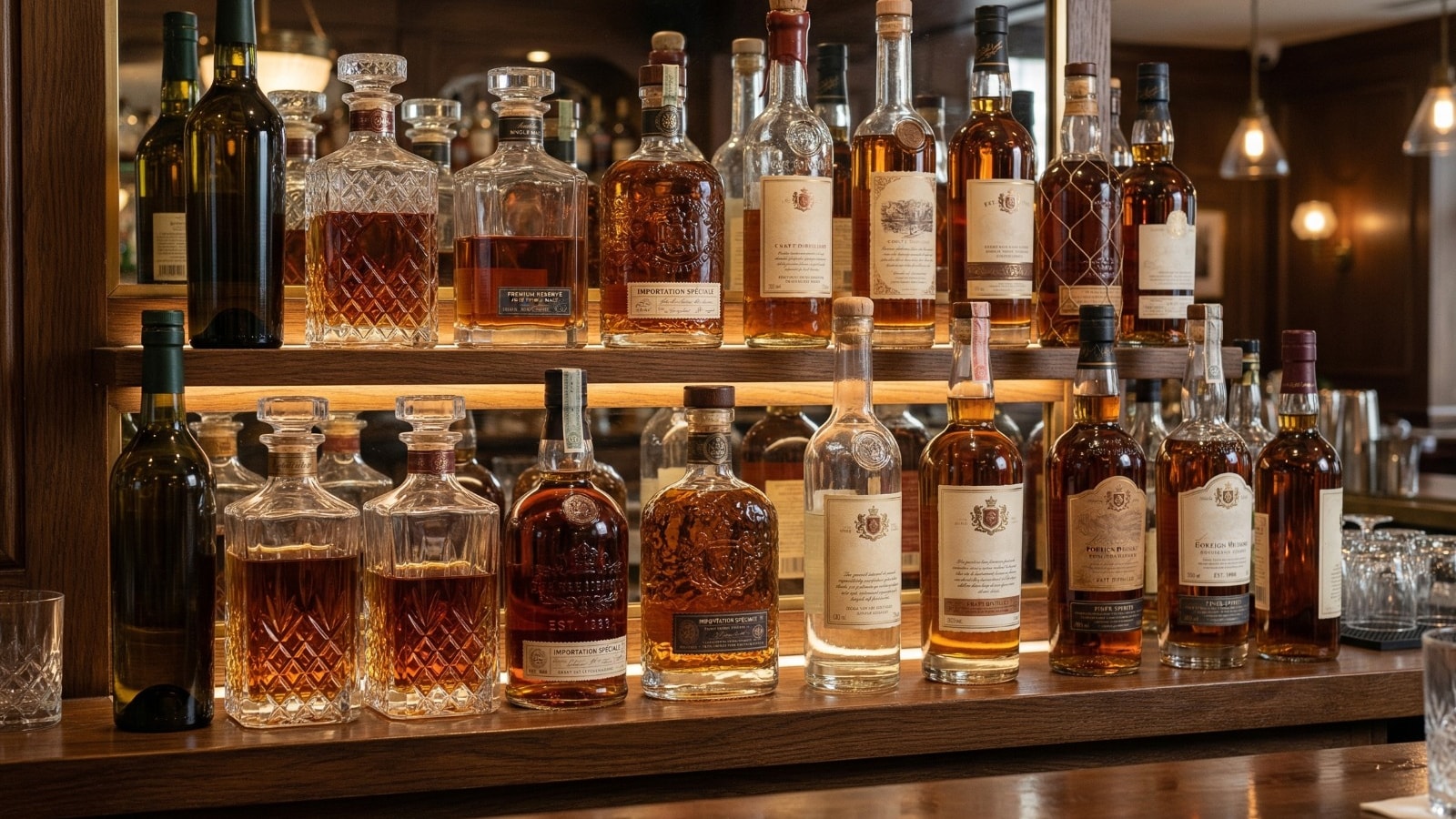
An imported whisky or wine bottle can cost considerably less in the country where it is made than what an Indian consumer pays for it. The difference is not always because the brand is more expensive or the product is considered premium. A large part of the final price comes from the costs and taxes added along the way.From customs duties and state-level taxes to transportation, warehousing and retailer margins, several factors determine how much a consumer eventually pays at the shop.India's liquor market also has a complicated tax structure. Alcohol taxation has become a major source of revenue for state governments. Combined central and state taxes from alcoholic beverages reached Rs 4 lakh crore in FY2024-25, compared with Rs 2.4 lakh crore in FY2021.Also Read | Layoffs Are Rising In Tech, But These Skills Are Helping People Unlock Better PayAt the same time, demand for premium liquor is growing. According to the International Spirits & Wines Association of India (ISWAI) 2026 report, premium alcoholic beverages recorded a compound annual growth rate (CAGR) of 10.2% between 2022 and 2025.But what makes an imported bottle expensive in India? And how much of the price actually goes towards taxes and distribution costs?How Taxes Push Up Imported Liquor PricesThe first major addition to the price comes when the product enters India.Imported alcoholic beverages attract customs duties and other applicable charges. Once the product arrives, state-level taxes, excise duties, registration fees and other charges can add to the cost.The tax structure also varies from one state to another. Alcohol is largely regulated by state governments, which have their own excise policies, licensing requirements and pricing systems.As a result, the same bottle can carry different price tags in Delhi, Maharashtra, Karnataka or Haryana.For international brands, entering India is therefore not simply about shipping a product and putting it on store shelves. They have to account for the tax structure and regulatory requirements of every market they want to enter.Shipping, Storage And Distribution Add To The BillTaxes are only one part of the final price. An imported bottle has to pass through several stages before it reaches a retail store. These include customs clearance, transportation, warehousing and distribution.Each stage comes with its own costs. Imported liquor may also require specialised storage and careful handling, depending on the product. Distributors then supply the products to retailers. Both distributors and retailers have their own operating costs and margins.These expenses eventually become part of the price paid by consumers.Commenting on the factors that determine imported liquor prices in India, Amit Goel, Director, Rad Elan Distributors, told NDTV, “The price consumers pay for an imported liquor bottle in India is influenced by several factors, not just the cost of importing it. Customs duties add to the landed cost, but state-level taxes, excise duties, transportation, warehousing, distribution and retail margins also play an important role."Goel added, “Industry estimates suggest that customs duty accounts for around 10-20 per cent of the final retail price, which shows that even a reduction in import duties may not necessarily lead to a similar reduction in what consumers pay. At Rad Elan, our presence across 18 states gives us a closer understanding of how differences in state policies, taxation and distribution structures affect pricing and availability. We believe there is a need for greater clarity and consistency in taxation, along with more efficient distribution. This would help keep imported products competitively priced while ensuring that consumers receive authentic international products at competitive prices, while supporting partnerships between global brands, distributors and retailers.”Why Distributors Matter For International Liquor BrandsFor an international liquor brand entering India, finding the right distributor can be as important as deciding its pricing strategy. A distributor familiar with the Indian market can help a brand navigate state-specific regulations, manage supply chains and establish relationships with retailers.The challenge is that a distribution strategy that works in one state may not work in another. Different tax structures, licensing rules and retail networks can affect both product availability and pricing.Distributors also help international brands understand local demand and identify the markets where their products have the best prospects.With premium alcoholic beverages growing at a steady pace, India offers opportunities for international liquor companies. But bringing a bottle to Indian consumers involves much more than the cost of producing it or shipping it across borders.By the time it reaches a retail shelf, customs charges, state taxes, logistics expenses and distribution and retail margins have all contributed to its final price.
Why Imported Whisky Costs Double In India: The Hidden Price Trail
Full Article
Original Source
Read the full article at Ndtv →KhanList aggregates and links to publicly available news content. We do not host full articles from third-party sources. Always verify important information with original sources.