
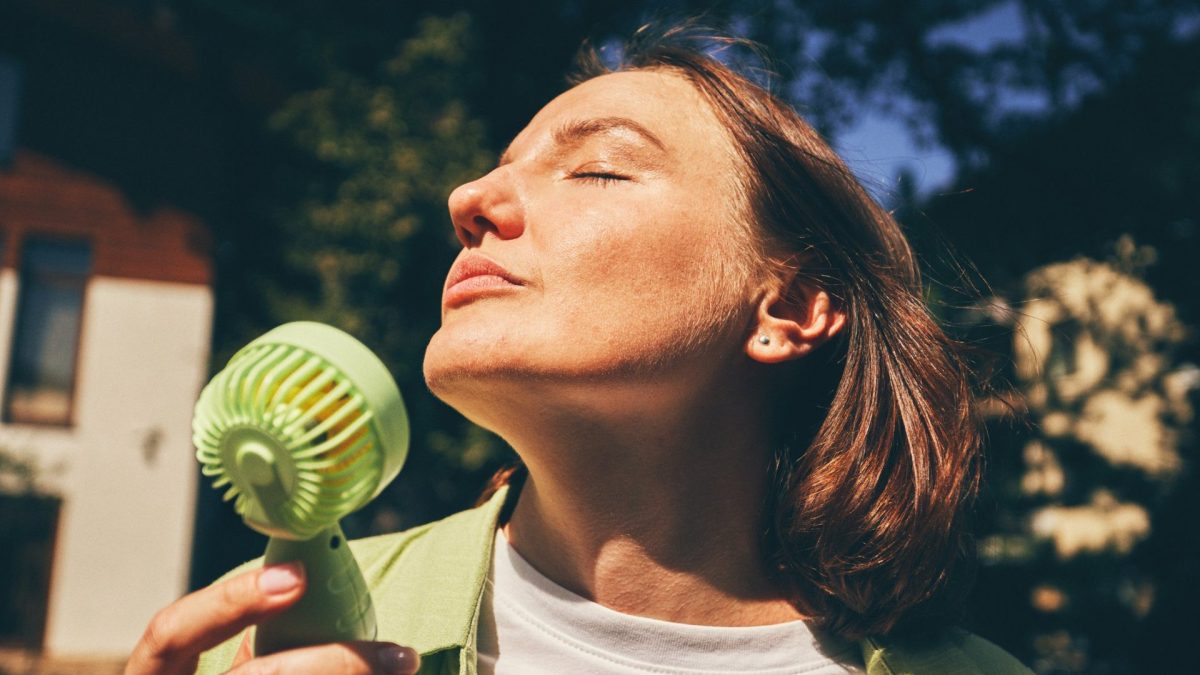
How are you feeling right now? If the answer is completely exhausted, you are not alone and with good reason – the relentless extreme temperatures we have been experiencing have likely taken a toll on all of us. We have had three heatwaves so far; in May, June and we are only just coming out of this July one. And everyone I know has struggled with managing the impact of the heat on their health and wellbeing. According to the Met Office, a heatwave is defined as an extended period of hot weather relative to the expected conditions of the area at that time of year. Shorts So, how and why do our bodies and minds struggle as a result? Our physiology is very clever and tries extremely hard to keep our core body temperature within a certain range so that our hormones, cellular chemical reactions and organs can all keep functioning well and efficiently. This is called thermoregulation (a bit like a thermostat in a heating system). Special nerve cells called thermoreceptors monitor our temperatures constantly and send feedback to part of our brain called the hypothalamus. Our brain compares our actual body temperature to the ideal range, and if it is out of range, it sets off a chain of events in our muscles, glands and organs to correct this. If we are too hot three main things happen; our sweat glands release moisture onto our skin and cools us down as this evaporates; and the blood vessels near our skin widen so that heat can more easily radiate away from our bodies; and we change our behaviour by drinking more from thirst if dehydrated, seeking shade and cool, and avoiding overexertion. When the weather is warm in more moderately high ranges, we don’t even realise our body is doing this and it manages seamlessly. However, in a heatwave our bodies have to work even harder and this results in us feeling more tired and exhausted for four main reasons: Heatwaves affect our sleep as our body temperatures aren’t falling in the same way that lets our brains know it’s bedtime (Photo: Igor & Alina Barilo/Getty) The extra effort Our bodies have to use up even more energy trying to regulate our core body temperature in a healthy and safe range. We don’t sleep well Our core body temperature usually needs to fall by 0.5-1°C in order for our brains to know that it is bed time, and to help us move into deep, restorative sleep cycles. Our internal body clock triggers blood vessel widening just before bed to help this fall in our core temperature, with our lowest body temperature normally occurring at about 4-5am, and then a natural rise taking place again in order to help wake us up. During a heatwave, this is disrupted and we get less solid, good quality blocks of sleep – meaning we are tired the next day. We sweat more Our bodies work hard to sweat more and our heart rate goes up and we lose more fluid and electrolytes (salts) in our sweat. If we don’t take enough fluid on board during a heatwave we can get dehydrated which then increases our heart rate further and can cause lowering of our blood pressure, leading to tiredness and light headedness. We try to conserve energy more During extreme heat, specialised brain circuits are triggered which try to help prevent us overexerting ourselves so we don’t get even hotter and further raise our heart rates. We can feel much more tired and like we need to rest more, and we can feel lethargic and sleepy. But what can we do now, post-heatwave, to get our energy back? Eating hydrating foods can help (Photo: Franziska & Tom Werner/Getty) Avoid caffeine and top up on water-rich foods When we feel tired and sluggish, we are likely to reach for quick fixes, such as caffeine. But this will just make your energy levels worse, so avoid it. Caffeine gives us a very short term “energy boost” but this is actually an illusion, typically only lasting three to six hours. Liquids like coffee or energy drinks can actually cause restlessness, insomnia and passing urine much more, which adds to the likely dehydration we may have after a heatwave, however hard we have tried to stay hydrated. Reach for water instead – flavoured if you prefer – and try eating foods which are high in water content like watermelon, cucumber, tomatoes, iceberg lettuce or celery. Reset your body clock and take a shower You may want to help your internal body clock (circadian rhythm) get a headstart back into normal patterns. Try to help your body sleep well now and get better quality sleep; one key way to do this is to have a lukewarm shower about half-an-hour or so before you go to sleep. This helps that lowering of our body temperature and transition into sleep and, in turn, in to deep restorative phases of sleep. Realise that it will take a while to get your “sleep debt” (the hours you have missed out on) back to minimal levels. Try adding in 10 to 20-minute naps for at least a week or so after the heatwave, and getting more sleep at weekends. Research is not clear as to whether this will ever actually clear the sleep debt or reverse the negative impacts on our hormonal or metabolic systems, but these steps can impact how alert you feel, boost your mood, and improve your concentration. Take some evening activities out of your diary to ensure you have a consistent sleep schedule. Get moving even if you feel tired Your normal levels of movement, activity and exercise may have been tricky to maintain during the heatwave. Exercise is often the last thing we feel like doing when we are tired – but, ironically, it can actually boost your energy levels. Moving releases serotonin, dopamine and endorphins which can help us feel more alert, improve our mood and reduce fatigue. We also tend to fall asleep quicker and sleep better when we have physically moved our bodies. Don’t overdo it though; go gently and slowly according to how you feel and your levels of hydration. Learn to take it slow otherwise it’s likely your concentration will be impacted (Photo: Thanasis Zovoilis/Getty/Digital Vision) Adjust your ‘life pace’ It is likely that a lot of admin, housework and your to-do list took a hit during the heatwave because it was simply too hot; that will likely have extended into your work life, too, with deadlines and projects being stalled. It is really tempting to rush in and get back to business as usual as fast as possible. But, remember our level of fatigue will likely impact our concentration, efficiency and productivity for a while. So, try to avoid multitasking – which research has shown impacts mistake-making and cognitive fatigue – and restructure timelines and schedules to allow for this and to reduce stress ,which will only make you feel more tired. Recognise the ‘heatwave anxiety’ There may be a new phenomenon that we psychologically experience called heatwave anxiety; the worry and anxiety related to a heatwave approaching or being present and how we or our loved ones will cope, and concerns about all the things we may need to change in order to deal with it. Notice if this is something you have felt; when we notice, we can understand how this may impact our fatigue levels. Make changes or plan for the next heatwave so that you feel less anxious and more prepared and help those you care about who may be more vulnerable and less able to help themselves. Do what you can for the local environment to protect it from climate change as much as you can, and ultimately recognise that you have got through it, and take those lessons forward for the next time.
Why heatwaves make you exhausted – and the surprising ways to feel better
Full Article
Original Source
Read the full article at Inews →KhanList aggregates and links to publicly available news content. We do not host full articles from third-party sources. Always verify important information with original sources.