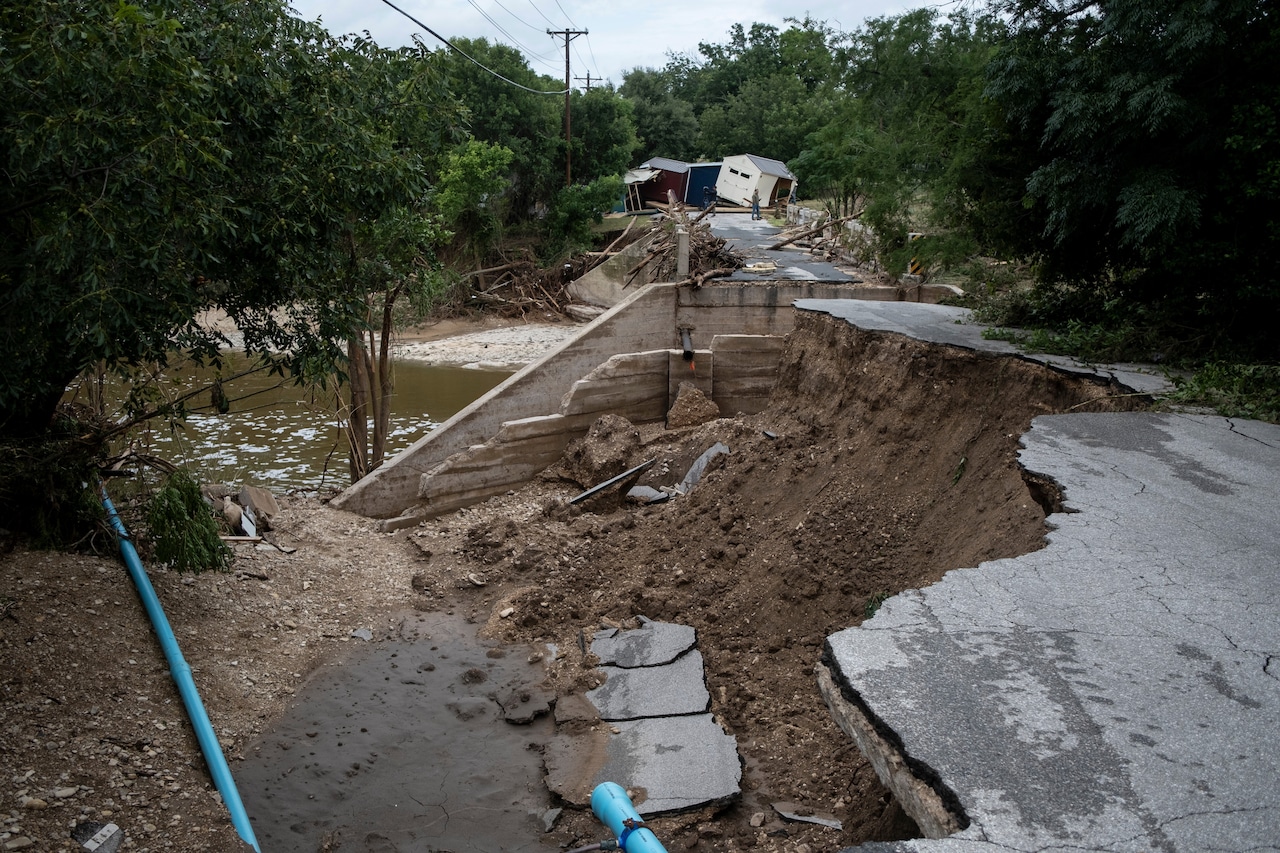
NewsThe biggest threat from this week’s storms may not be what you thinkFlooding is shown in Texas in July. Thunderstorms are expected to bring repeated rounds of heavy rain and powerful wind gusts across parts of the Midwest and Appalachians, increasing the risk of flash flooding, downed trees and scattered power outages. (AP Photo/Joel Angel Juarez)AP Photo/Joel Angel JuarezA series of thunderstorms is expected to sweep across portions of the Midwest and Appalachian region this week, raising concerns about flash flooding and damaging winds that could disrupt travel, knock out power and threaten property. Forecasters say the greatest risk comes not from a single storm, but from multiple rounds of heavy rain that may strike the same communities over several days, Accuweather reported.Meteorologists say clusters of thunderstorms developing across the Plains and Midwest are forecast to move east into the Ohio Valley and Appalachians, where repeated downpours could trigger rapid flooding. Areas that receive several rounds of rain in quick succession may see creeks rise quickly, roads become impassable and drainage systems struggle to keep up with runoff. Forecasters are particularly concerned about storms repeatedly tracking over the same locations, a pattern that can dramatically increase flood risk. Communities in low-lying areas, near streams or in regions that have already received significant rainfall may be especially vulnerable if additional storms develop.Strong wind gusts are also expected to accompany some of the thunderstorms. Meteorologists warn that the most intense storms could produce winds capable of bringing down trees, damaging power lines and causing scattered outages. While widespread tornado activity is not expected, a few isolated tornadoes cannot be ruled out in the strongest storms, KESQ said.The potential impacts stretch beyond immediate storm damage. Flash flooding remains one of the nation’s deadliest weather hazards because rising water can develop with little warning. Even a small amount of moving water can sweep vehicles off roadways, while flooded roads may conceal damaged pavement or washouts beneath the surface. Source: National Weather Service guidance cited by major weather coverage and AccuWeather reporting.Forecasters say portions of the Ohio Valley and central Appalachians face an elevated risk because repeated rainfall is expected in some of the same locations. Steep terrain in parts of Kentucky, West Virginia, Pennsylvania and southern Ohio can accelerate runoff, allowing water levels to rise rapidly in creeks, streams and low-lying communities, according to AOL.Scientists have also noted that a warmer atmosphere is capable of holding more water vapor, which can contribute to heavier rainfall when conditions are favorable for storm development. Researchers say that does not mean every storm is attributable to climate change, but it does help explain why some rainfall events are becoming more intense. The economic effects of severe weather can continue long after storms move out. Homeowners may face costly repairs, insurance claims and temporary displacement, while businesses and local governments often incur expenses tied to cleanup, infrastructure repairs and restoring essential services.Emergency officials encourage residents to closely monitor forecasts, keep mobile devices charged and ensure they can receive weather alerts even if power outages occur. Drivers are urged to avoid flooded roadways, while residents in flood-prone areas should review evacuation plans and move valuables away from locations that could take on water.People concerned about damaging winds can reduce risk by securing outdoor furniture, trash containers and other loose objects before storms arrive. Experts also recommend checking on neighbors who may need assistance during extended power outages, especially older adults and those who rely on electrically powered medical equipment. ALSO TRENDING: What happened on a Hawaii beach is now making national headlinesALSO TRENDING: Scientists think they’ve found a new way to stop cancer before it startsALSO TRENDING: California food truck’s numbers looked too good to be true. Then investigators took noticeChris Pugh covers trending news and national breaking stories, focusing on the moments, conversations, and cultural flashpoints shaping the national news cycle. Chris worked as a digital reporter for...This article was produced with assistance from AI tools and reviewed by AL.com staff.
Why forecasters are increasingly worried about this week’s storm pattern
Full Article
Original Source
Read the full article at Al →KhanList aggregates and links to publicly available news content. We do not host full articles from third-party sources. Always verify important information with original sources.