
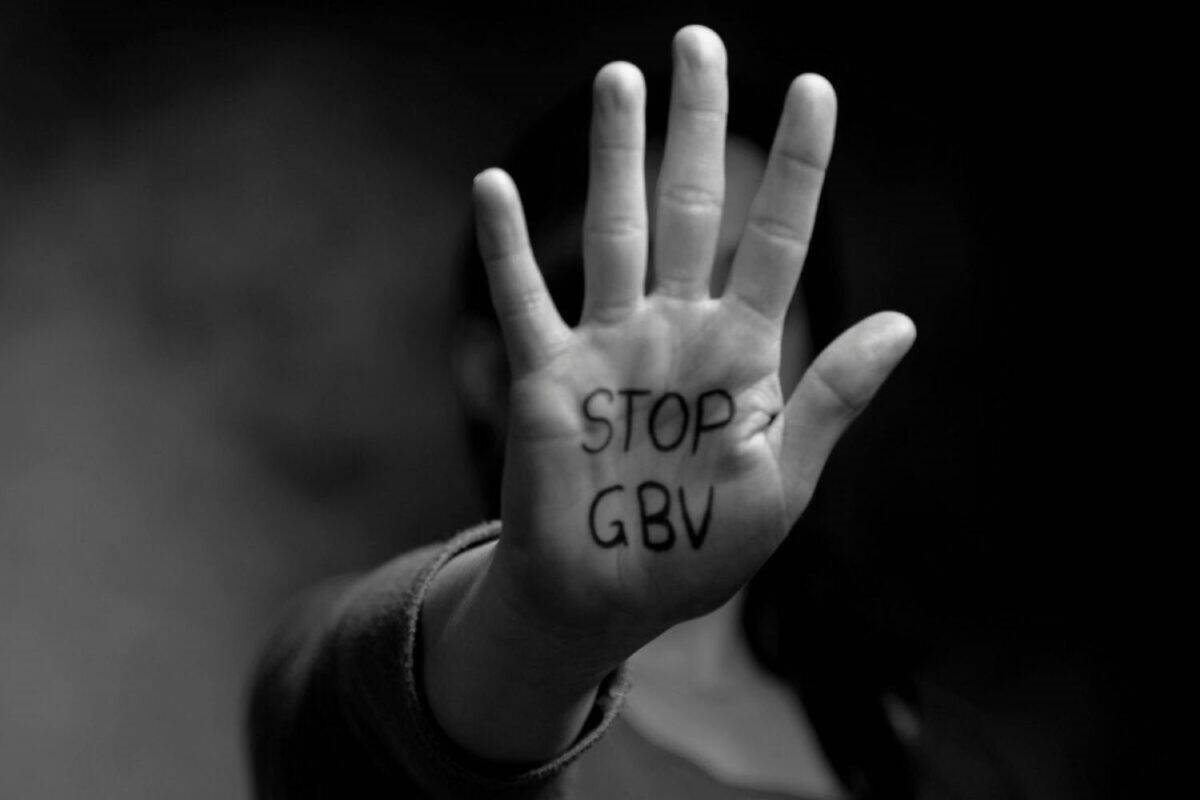
I have been thinking about South Africa’s response to gender-based violence (GBV), and one question keeps coming back to me: If government was able to mobilise the machinery of the state to enforce Covid-19 regulations, restrictions and a curfew across the country, why does implementing a comprehensive response to GBV appear so much harder?Yes, I understand that I am comparing two very different crises. Covid was a public health emergency caused by a highly infectious virus. GBV is a complex social, criminal justice, economic and public safety crisis, deeply rooted in inequality, power and harmful social norms. They are not the same and it is not the comparison I am making.I am comparing the state’s capacity to respond to a crisis when it determines that the crisis requires urgent national action. We have seen what the state can do. During Covid, government demonstrated an extraordinary ability to mobilise. Regulations were introduced and communicated, a national curfew was enforced, law enforcement was deployed and institutions across the country were required to adapt and comply. Whether every decision was correct is a separate debate. The important point is that the state demonstrated that it could move quickly, coordinate across institutions and enforce a national response when the political urgency existed. What is the value of government’s GBV plan? And that brings me to GBV. Acknowledging a crisis is not the same as responding to one. Some months back, government declared GBV a national disaster. We have had summits, strategies, action plans, presidential addresses, task teams, parliamentary discussions and awareness campaigns, yet the murders, rapes and assaults continue. Survivors continue to encounter systems that can be fragmented, under-resourced and difficult to navigate.At some point, we have to ask: What is the value of having a plan if the machinery required to implement it is not adequately resourced, coordinated and held accountable? A strategy document does not intervene when a perpetrator becomes violent. A summit does not investigate a case. A campaign does not guarantee that a survivor will be treated with dignity – implementation does. Implementation requires resources, capable institutions, coordination, measurable targets and consequences for failure. GBV needs crisis governance Yes, it is apples and oranges, but I am not arguing that a pandemic and GBV require the same response. I am asking whether the principles of effective crisis governance should apply to both. Covid required government to identify a national threat, coordinate institutions, communicate a response and enforce measures to protect citizens.GBV requires the same level of urgency and coordination, although the interventions are obviously different. It requires more than policing. It requires the criminal justice system, intelligence, visible policing, healthcare, social development, education, local government and civil society to work together. It requires effective investigations and prosecutions, survivor support, prevention, education, reliable data and sustained funding – GBV requires a whole-of-government response. We cannot allow a national crisis to become normal. The most disturbing part is how accustomed we have become to GBV. It has become part of the news cycle which moves on. That normalisation should concern all of us. Covid was treated as an emergency because the scale of the threat demanded extraordinary action. GBV is also an emergency. The difference is that its victims are overwhelmingly women and children, and the violence is often perpetrated in places where they should be safest.So the question is not whether government can respond. We have already seen that it can. The question is whether GBV has been given the same level of political priority, institutional urgency and sustained resources.Not another slogan.Not another summit.Not another awareness campaign.Implementation. Accountability. Consequences.Women should not have to wait for government to decide that their deaths constitute an emergency. They already do. Asa Sokopo Skiti is a former journalist and communications professional.
Why does government struggle to tackle GBV?
Full Article
Original Source
Read the full article at Citizen →KhanList aggregates and links to publicly available news content. We do not host full articles from third-party sources. Always verify important information with original sources.