
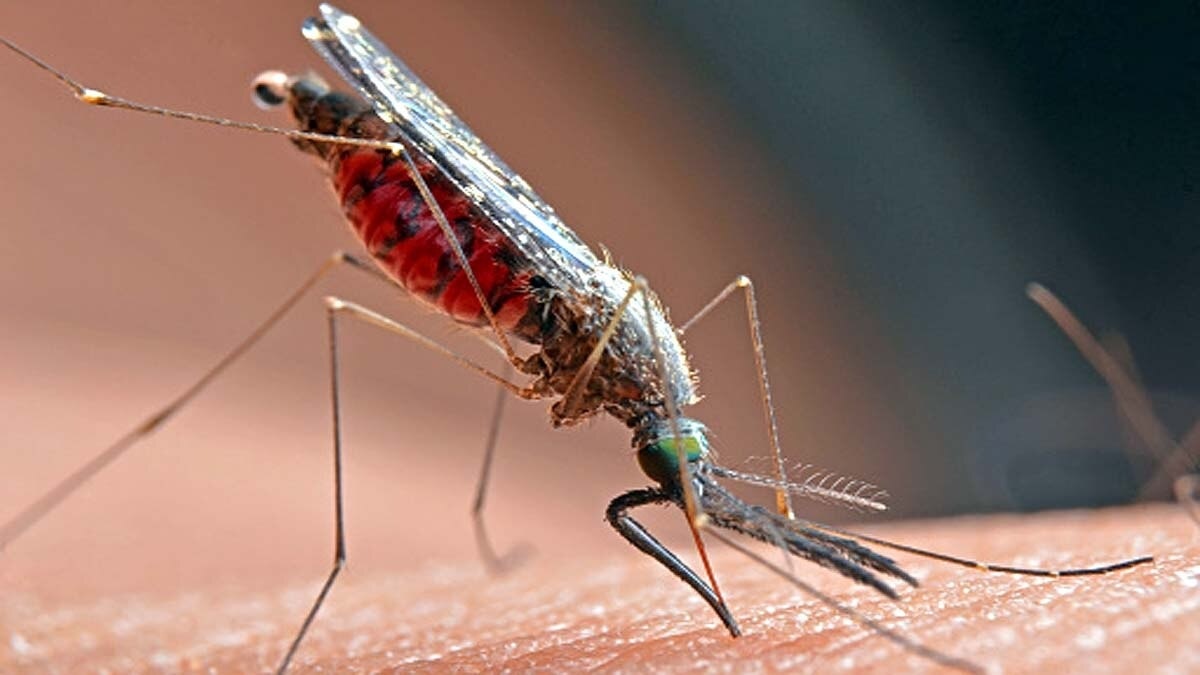
Why do mosquitoes bite some people more than others? IIT Kanpur researchers are studying the mosquito brain, smell sensors and behavioural changes after blood meals to understand human attraction and explore new ways to control dengue spread.Why do mosquitoes bite some people more than others? IIT Kanpur researchers are studying the mosquito brain, smell sensors and behavioural changes after blood meals.You may have noticed it at home: several people sitting in the same room, yet mosquitoes seem to have a favourite. One person gets bitten repeatedly while others barely notice a mosquito.Why?Scientists at IIT Kanpur are trying to answer that question by studying the mosquito's brain and its sense of smell. The research, led by Professor Nitin Gupta at IIT Kanpur's Mehta Family Centre for Engineering in Medicine, is examining how mosquitoes detect human odours and process those signals in their brains.The research could eventually help find new ways to control diseases such as dengue and chikungunya. WHY DO MOSQUITOES PICK SOME PEOPLE?The study focuses on Aedes aegypti, the mosquito species responsible for spreading dengue and chikungunya.Researchers are looking at the chemical signals that mosquitoes use to find humans, including compounds released through skin, sweat and the microorganisms living on our skin. The aim is to understand which smells draw mosquitoes towards a person and which ones make them move away.WHAT HAPPENS AFTER A MOSQUITO DRINKS BLOOD?The research is also examining what happens inside a female mosquito's brain after it feeds on human blood.Once it has had a blood meal, its biological priorities change. Instead of actively searching for a person to bite, the mosquito becomes more focused on finding a suitable place to lay eggs.Scientists are studying the neural circuits behind this behavioural switch to understand how the mosquito's brain responds to different signals.COULD THIS HELP CONTROL DENGUE?Mosquitoes have specialised sensors that detect chemical signals around them. IIT Kanpur researchers are studying this "smelling machinery" to understand how those signals are converted into behaviour.The team is also using modern genetic tools, including CRISPR-Cas9, to investigate how smell-related information is processed inside the mosquito.If researchers can identify the signals mosquitoes rely on to locate humans, the findings could point towards new mosquito-control strategies.Instead of only killing or repelling mosquitoes, scientists could potentially target the biological system that helps them find humans in the first place.- EndsPublished On: Sep 2, 2026 15:35 IST
Why do mosquitoes bite some people more? IIT Kanpur studies their brain
Full Article
Original Source
Read the full article at Indiatoday →KhanList aggregates and links to publicly available news content. We do not host full articles from third-party sources. Always verify important information with original sources.