
If anything, it is very much in line with India's policy of strategic autonomy. Which then begs the question: why would Modi say something on the war so publicly? The answer lies in the long-standing Russia-India ties - the two countries have generally found a way to work together, even when they see geopolitics through different lenses. Moscow has continued to be one of India's strongest allies despite Delhi forging closer relationships with Europe and the US in the past three decades.Delhi is one of the founding members of the Brics grouping of nations along with Russia and China, and it is also a member of the Shanghai Cooperation Organisation with the two countries. But at the same time, Delhi is also a member of the Quad group with Australia, Japan and the US - Moscow has not been happy about this association.Still, Moscow and Delhi tend to work through these differences. Moreover, Russia still supplies around 40% of India's defence imports and it has also been a steady supplier of Delhi's energy needs.So, Modi's latest statement is not expected to cause any rift in Moscow-Delhi relations and analysts say it's unlikely that it would have come as a surprise to Putin or his diplomats. As for the West and Modi's critics in India, they will feel that the prime minister should have been even more direct in his criticism of the war.This isn't the first time a foreign leader has publicly urged Putin to end the war in Ukraine.Just five weeks ago the President of Kazakhstan Kassym-Jomart Tokayev suggested Putin freeze the conflict and return to the negotiating table.He didn't. And he hasn't.There's no sign of these public calls for peace changing Putin's calculations.To Modi's call for a cessation of hostilities, the Kremlin leader replied:"Thank you very much, prime minister. We are moving forward along this path."Polite, but vague. And non-committal.After all, a path can be short. But it can also be long. Very long.And "moving forward" at what pace?And, crucially, on which path?All the evidence suggests that Russia's leadership remains convinced it is on a path to military victory in Ukraine. To frame that in terms of peace, "moving forward" to peace on Russia's terms dictated by military success.Therefore, for now, the fighting goes on.Despite the fact that, after more than four-and-a-half years of war and huge military losses, the Kremlin has yet to secure victory.And despite Ukraine's success in bringing the war back home to Russians: for example, through long-range drone strikes on Russian oil refineries that have sparked fuel shortages and petrol queues across the country.
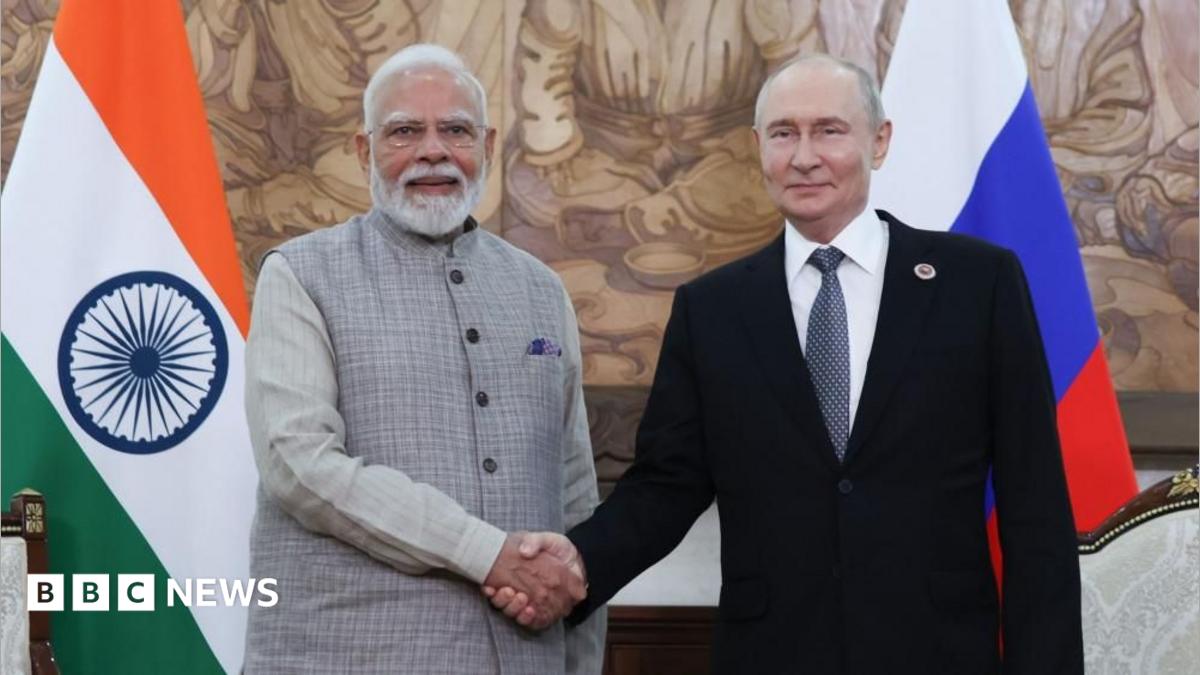
Why did Modi urge Putin to end Ukraine war - and will he listen?
Full Article
Original Source
Read the full article at Bbc →KhanList aggregates and links to publicly available news content. We do not host full articles from third-party sources. Always verify important information with original sources.