
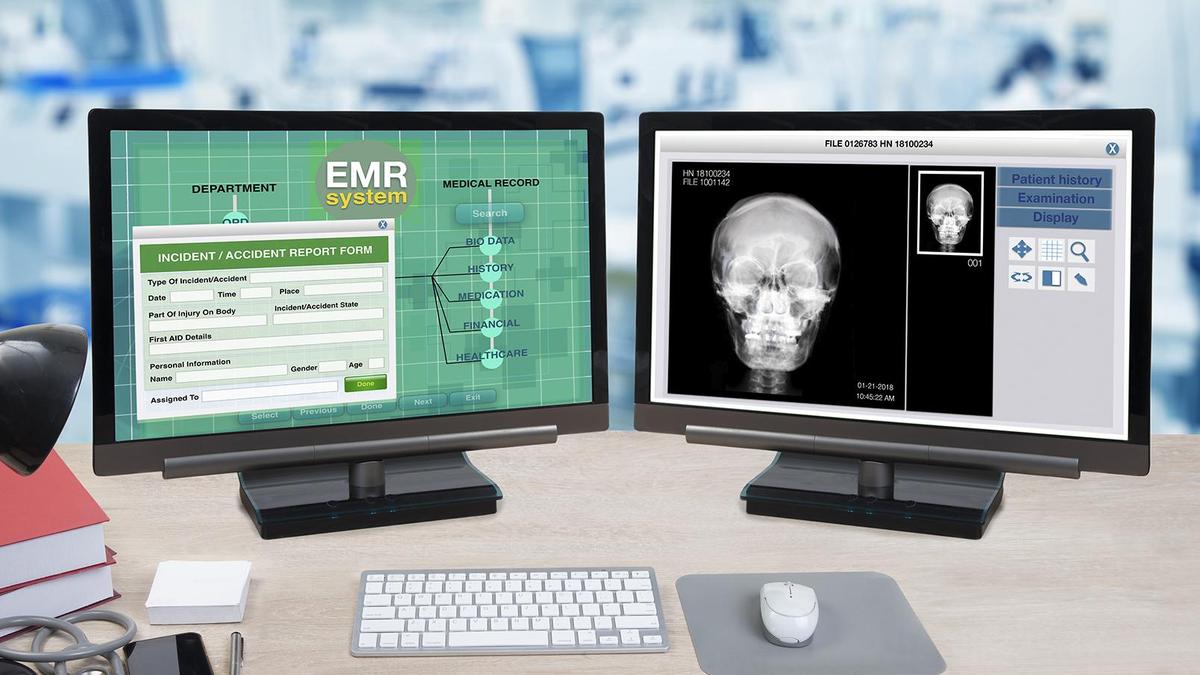
The challenge in critical care is not a shortage of data. It is the ability to convert continuous flows of readings, observations and test results into information that clinicians can interpret and act upon. Image used for representational purposes only | Photo Credit: istock.com/pandpstock001 In an intensive care unit, every second matters. A critically ill patient may be connected to several devices, including patient monitors, ventilators and infusion pumps, while laboratory systems and electronic health records continuously generate additional information. Together, these systems create a large and rapidly-changing picture of the patient’s condition. However, when the information remains fragmented across devices and platforms, clinicians may spend valuable time locating, verifying and reconciling data before they can act.This makes interoperability a clinical priority in critical care, not simply an information technology requirement. Integration enables systems to exchange data, but true interoperability ensures that the information being exchanged is accurate, interpretable and clinically relevant. This can help care teams coordinate and prioritise interventions more effectively while reducing the need to move between multiple systems to assemble a clinical picture. Published - November 19, 2026 08:39 pm IST
Why data interoperability is critical to the future of hospital care
Full Article
Original Source
Read the full article at Thehindu →KhanList aggregates and links to publicly available news content. We do not host full articles from third-party sources. Always verify important information with original sources.