
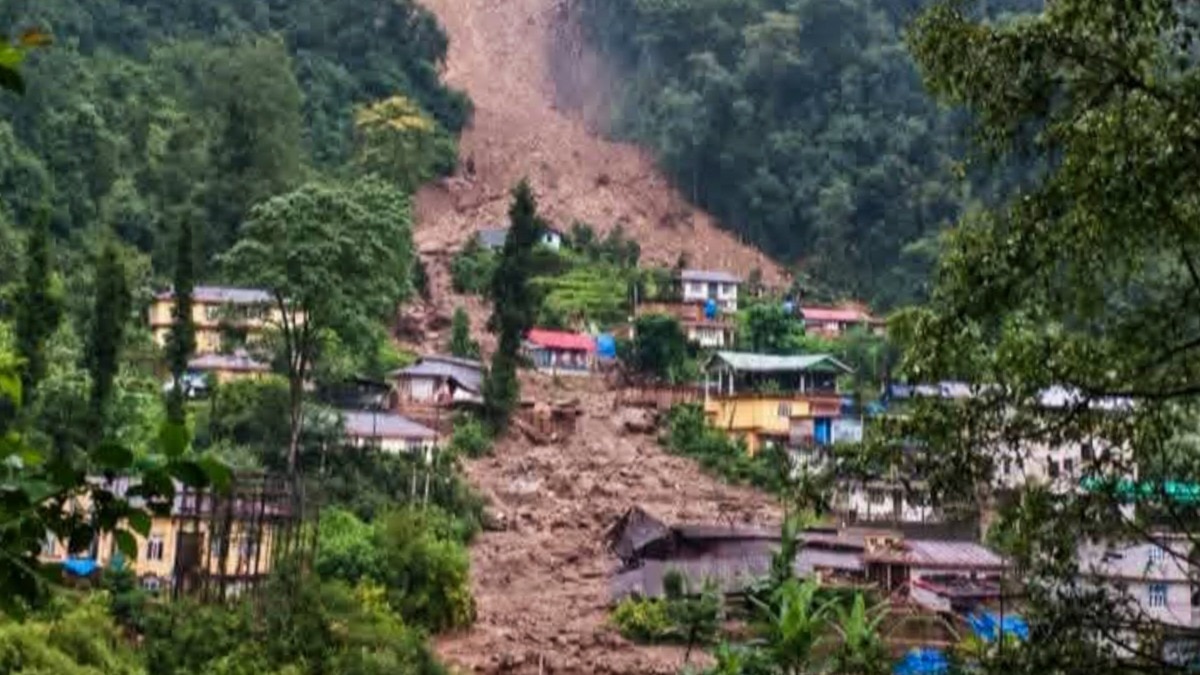
COP31 negotiations remain divided over fossil fuels and climate funding. UNDP India explains why finance, adaptation and a fair energy transition matter to India.Mud and debris flow down through a residential area, illustarting a climate disaster. (Photo: PTI)New Delhi,Nov 17, 2026 11:46 ISTCOP31 negotiations in Antalya have entered a decisive phase, with an 18-page draft agreement released on November 16 laying bare divisions over how quickly countries should move away from fossil fuels and how much climate funding developing nations should receive.The talks are due to conclude on November 20, but the draft remains contested.For India, the stakes go beyond the wording of a global deal. A sign says COP31 during the preparations of UN climate talks in Antalye, Turkiye. (Photo: Getty)Â The country ranks ninth among the world's most climate-vulnerable nations in terms of the impact of extreme weather events over 1995-2024, according to Germanwatch's Climate Risk Index 2026. Separately, it ranks 28th in the Climate Change Performance Index 2027, which assesses countries' climate action, including emissions, renewable energy and policy. The two rankings measure different things; one reflects the damage climate events cause, while the other evaluates efforts to address climate change.WHY DOES COP31 MATTER TO INDIA?Ashish Chaturvedi, head of Action for Climate and Environment at UNDP India, said COP31 matters because India must meet rising energy demand, create jobs and improve living standards while cutting emissions and preparing for climate impacts. "COP31 matters because it is an opportunity to move from setting climate goals to delivering action," he told India Today. Ashish Chaturvedi, Head of Action for Climate & Environment, UNDP. (Photo: UNDP) "I would not see climate finance, adaptation, technology transfer and a fair energy transition as competing priorities," Chaturvedi said. "They are interconnected, and progress on each is necessary for an equitable climate response that recognises different development needs and national circumstances."That means India needs investment not only in renewable energy but also in storage and electricity networks, while supporting workers and communities whose livelihoods depend on carbon-intensive industries.India has already met its target of getting 50% of installed electricity capacity from non-fossil fuel sources five years ahead of its 2030 deadline. Its shares reached 54.18% by June 2026.CLIMATE FINANCE AND ADAPTATION ARE THE KEYA key issue at COP31 is whether developing countries can secure predictable, affordable funding. UN Secretary-General Antonio Guterres speaks COP31. (Photo: AP) Chaturvedi said finance should be "largely public and concessional" and should not add to their debt burden.He also stressed that adaptation funding must reach states and communities dealing with heatwaves, floods, changing rainfall and other climate risks."Climate change is no longer a distant environmental concern. It is directly affecting people's health, livelihoods and incomes," he said.India is also preparing its first National Adaptation Plan to bring climate risks into development planning and public investment.For Chaturvedi, COP31's value will ultimately depend on whether global commitments translate into practical support on the ground.- Ends
Why COP31 must deliver funding, action and energy transition for India
Full Article
Original Source
Read the full article at Indiatoday →KhanList aggregates and links to publicly available news content. We do not host full articles from third-party sources. Always verify important information with original sources.