
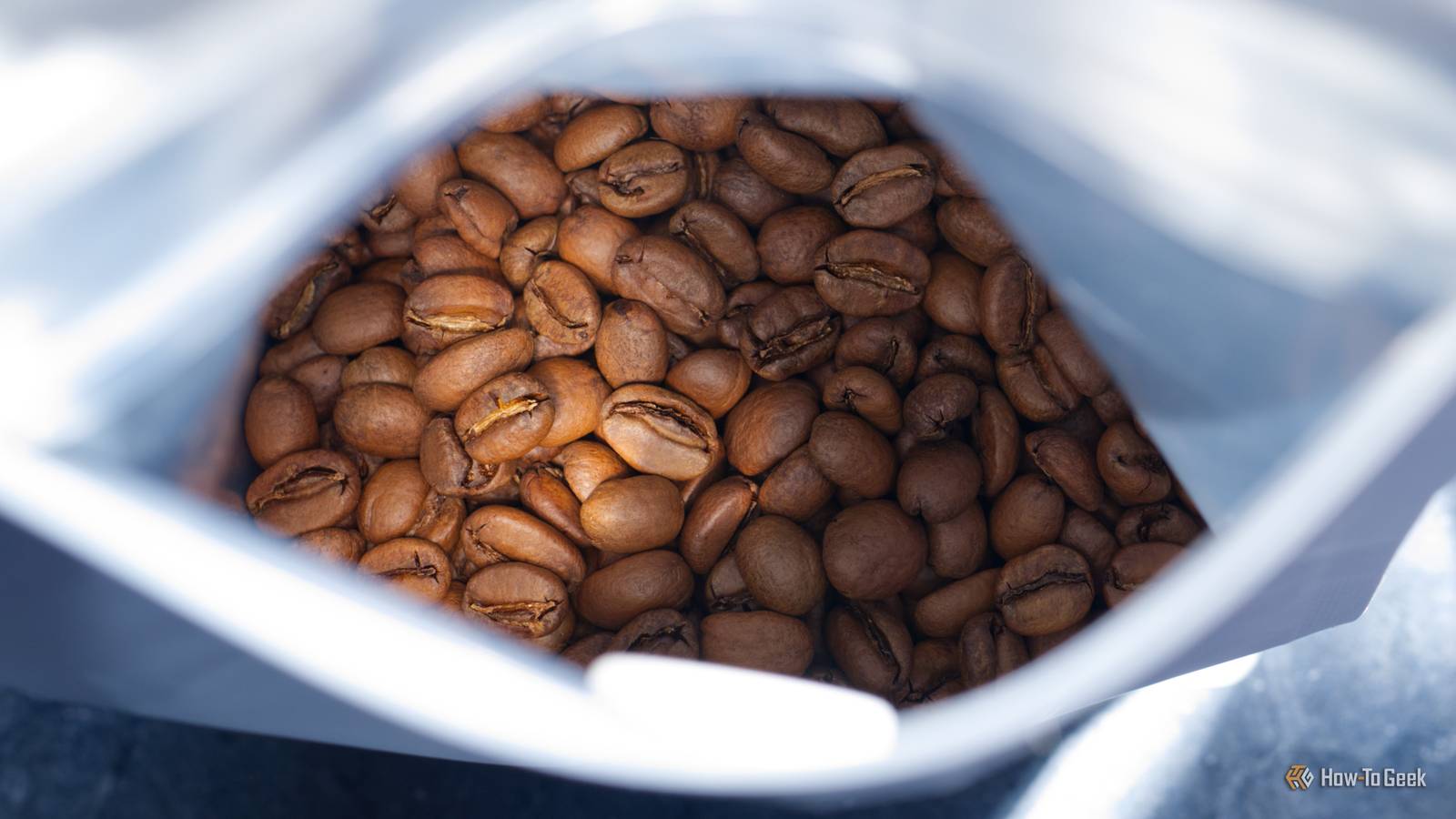
Published Aug 19, 2026, 10:30 AM EDT Tim has been covering technology for almost 20 years, in that time spanning a broad range of topics from security to product reviews. He is especially focused on the Apple ecosystem, productivity, and consumer advice. Over the years Tim has written thousands of articles, reviews, and round-ups in addition to producing video content and original photography. A graduate of journalism, he found his footing as a freelancer with a laptop and loves how he is able to work from practically anywhere. Now a Senior Editor for iPhone, Mac, and Smart Home at How-To Geek, Tim still loves to write. He can also be found crafting round-ups and productivity posts for the Zapier blog. Earlier in his career Tim spent nearly a decade as a writer and eventually Apple section editor for MakeUseOf. Tim currently lives in Brisbane, Australia. Outside of work he loves to hike and work out, play video games, and spend quality time with his wonderful partner and two cats Inka and Roger. I believe that coffee is more than a way of getting caffeine into your body, and the explosion in the popularity of specialty coffee means I’m not alone. An estimated two-thirds of the US population drinks coffee every day, and too many are settling for sub-par beverages. So join me in becoming a weird coffee person. But first, good coffee Good coffee starts with good coffee You’ve probably heard the term “garbage in, garbage out” before and it’s especially relevant here. You can buy the fanciest coffee equipment on the planet and pay a champion barista to use it, but if the coffee is bad then all you’re going to get is flawlessly-brewed bad coffee. Many are trapped in the belief that coffee is a drink to be tolerated, not celebrated. For most of the time that humans have been drinking coffee, this was true. But we now live in the greatest time ever to be a coffee drinker, to the point where you really can make it a hobby. Third-wave “specialty” coffee is short-hand for high quality coffee that can be traced back to its place of origin. The term is defined differently depending on who you’re asking, but typically refers to single-origin or single-estate beans, which are purchased in a “green” raw state and roasted by suppliers who are keen to leave their mark. You won’t typically find this sort of coffee in your supermarket, but instead you’ll have to turn to local cafés or roasters. Roasters like these are no longer limited to trendy inner-city neighborhoods, and the internet makes it easier than ever to get beans delivered to your door. You’re going to pay a bit more, but it’s going to be worth it. The best coffee is what you make at home Your local café has nothing on you Credit: Tim Brookes / How-To Geek The one downside to all these benefits—taste, aroma, origin story, careful roasting, fancy packaging—is that specialty coffee will cost you more than the cheap stuff. The point still stands that brewing your own coffee at home is always going to be cheaper than buying it out. Getting to the point where your own coffee tastes better is very achievable. Once upon a time, you would have to head to your local café to get the best cup of coffee. Now, you can do it in your kitchen. This comes down to the popularization of specialty coffee, the democratization of the necessary tools, and the broader conversation that coffee drinkers are having. The first thing to do is to figure out what it is you like: long black coffee drinks, short intense shots, creamy milk drinks, or all of the above. For a small investment in equipment, you can set about understanding and mastering your technique. From here, you’ll gain the confidence to make exactly what you like drinking, every day, while throwing in some experimentation here and there. This process is rewarding in the same way that learning any new hobby is. The only “rule” you need to follow is “does it taste good?” Get started for less than $50 And a bag of coffee I started taking coffee more seriously when I bought my first AeroPress. I then moved my attention to the world of filter coffee, and I bought a Hario V60 filter dripper and started grinding fresh. It’s been a decade since I made that leap, and I’ve only recently felt the need to dip my toes into the world of at-home espresso. The best bang for your buck at-home black coffee setup is almost certainly a plastic Hario V60 dripper ($13) and a cheap manual burr grinder like the KINGrinder P0 ($29). You can pick up a cheap coffee scale for around $20 (or just use a digital kitchen scale) so that you can weigh the beans and get the ratio of coffee to water right by weighing as you pour. You could spend a lot more on an entry-level electric grinder like the Baratza Encore and a pouring kettle to make adding water a little more precise, but you don’t need to. A basic stovetop or electric kettle and a steady hand will do. You can brew directly into your cup, or get a cheap server for making multiple cups at once. If espresso and milk drinks are your preference, things are much more expensive. The Breville Bambino ($300) is widely considered to be one of the best “real” cheaper espresso machines, and it comes with a steam wand for frothing milk drinks. You’ll also need a better grinder that’s capable of grinding for espresso with consistency, like the Baratza Encore ESP ($200). This is a lot of money, however you frame it. It’s not uncommon to see even coffee enthusiasts shy away from espresso at home for reasons like cost, upkeep (having to descale the machine’s boilers), and the added logistics of preheating the coffee machine (though you could get around this with a smart plug). By comparison, a cheap filter setup gives you more money to spend on the most important part: delicious filter-roast coffee. There’s a whole world to explore if you catch the bug Coffee can be dangerous Credit: Tim Brookes / How-To Geek As someone who has consumed almost exclusively filter coffee from a plastic filter dripper for around a decade, I can tell you that it’s absolutely possible to get “into” coffee without throwing thousands of dollars down the drain. At the same time, coffee can be a real money pit. Coffee is a lot like photography and any other pastime where the perception that spending more money will instantly get you better results. Gear acquisition syndrome will prey on your fear of missing out, while your brain attempts leaps of logic like “buy once, cry once” to justify “end-game” purchases like fancy grinders and machines. There is an endless array of accessories for tamping, de-clumping, shaking, filtering, even drinking your coffee. Communities like Home-Barista.com, r/coffee, r/espresso, and r/pourover can both serve to exacerbate and defuse these thoughts, so tread carefully. Looking for even more examples of high-tech coffee? Learn about data-driven espresso and at-home roasting.
Why coffee is the next hobby you should get serious about
Full Article
Original Source
Read the full article at Howtogeek →KhanList aggregates and links to publicly available news content. We do not host full articles from third-party sources. Always verify important information with original sources.