
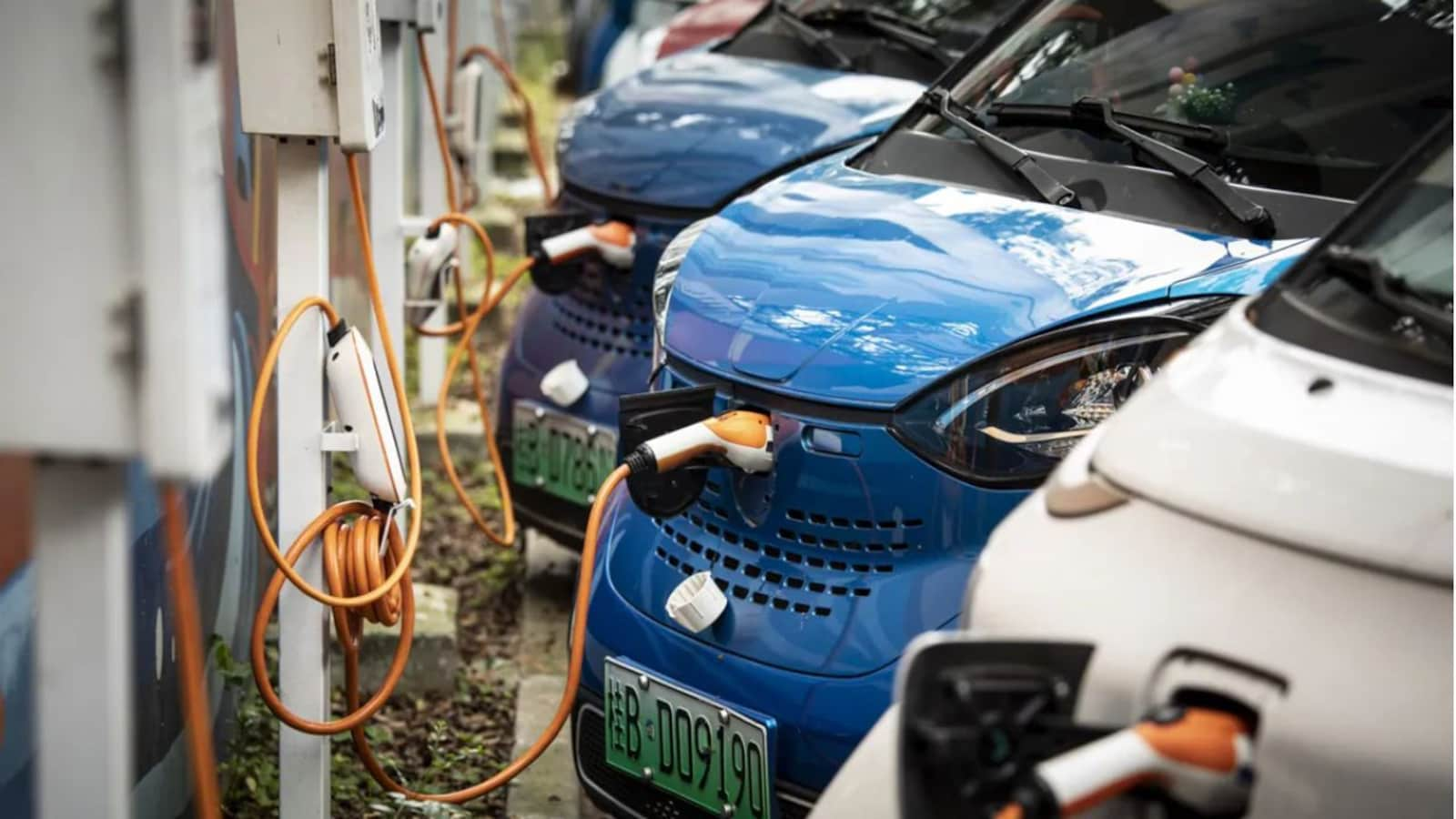
The next time you park your electric scooter after a long ride, resist the temptation to plug it in immediately. The battery may still be carrying considerable heat, and charging it could push temperatures even higher.This is becoming an important concern for India's electric vehicle (EV) users, particularly during summer. Researchers at IIT Madras are studying ways to tackle battery overheating, including cooling technologies that could help electric vehicles handle India's extreme weather conditions. Why EV Batteries Heat UpA lithium-ion battery generates heat whenever it charges or discharges. The harder it works, the more heat it produces.Also Read | Layoffs Are Rising In Tech, But These Skills Are Helping People Unlock Better PayIn one experiment, a 60 ampere-hour battery cell crossed 45 degrees Celsius when the ambient temperature was 35 degrees Celsius or higher and the cell operated at a discharge rate of 1C or above. The researchers consider 45 degrees Celsius an important temperature threshold for battery thermal management.The problem does not end when the rider switches off the scooter. Charging generates additional heat. If the battery is already hot after a ride, plugging it in immediately can add to the thermal stress. High temperatures can also accelerate battery ageing, gradually reducing its ability to hold charge. In extreme conditions, overheating can become a safety concern. Battery Safety Is Not Just About CoolingFor EV operators, battery safety also depends on what happens before and after charging.Naveen Gupta, Founder and CEO of Trev Mobility, told NDTV that battery safety must be addressed throughout a vehicle's lifecycle, rather than only when a customer purchases it."High temperatures can affect battery performance and accelerate degradation, while the heat generated during driving and charging makes effective thermal management an important part of the overall system," Gupta said.He believes battery health monitoring, regular vehicle inspections and appropriate charging practices are essential for reliable EV operations.Gupta also stressed the importance of following manufacturer guidelines and using dependable charging infrastructure. Charging decisions, he said, should take into account operating conditions and battery temperature instead of following a uniform approach.For fleet operators, this means monitoring vehicles consistently and ensuring that maintenance and charging procedures are followed systematically."The next phase of EV adoption will depend not only on improvements in battery technology, but also on how effectively the industry translates those advances into safe, dependable everyday mobility," Gupta said.
Why Charging Your Electric Vehicle After A Ride Could Be Risky
Full Article
Original Source
Read the full article at Ndtv →KhanList aggregates and links to publicly available news content. We do not host full articles from third-party sources. Always verify important information with original sources.