
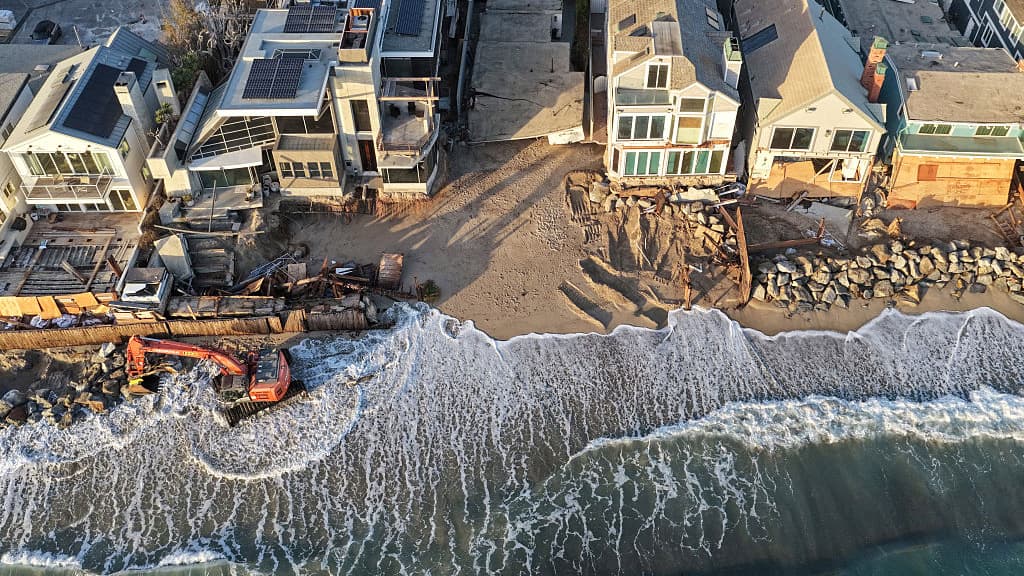
California’s governor Gavin Newsom has declared a state of emergency ahead of a potentially historic El Niño. In a statement released Sept. 22, Newsom said the declaration is meant to ensure communities have the resources they need to handle the impacts expected this winter. “California is strongest when we look out for one another. That is what this action is about,” Newsom said. “Giving communities the support they need, giving first responders the tools to do their jobs, and giving families the confidence that their state is ready.”The state of emergency allows the government to mobilize state resources: readying flood-fighting supplies such as sandbags and pumps, preparing the National Guard to assist with flood response and search and rescue efforts, and fortifying roads and infrastructure. State environmental and natural resources agencies will also fast-track permitting and engage in other efforts to better prepare for flooding and landslides. How will El Niño impact California?El Niño typically brings wetter, more intense winters to California—which could leave the state more vulnerable to severe winter storms, heavy rainfall, landslides, and flooding. An El Niño year does not guarantee that these conditions will occur, but it does increase the likelihood. Climate change is also supercharging weather events, and El Niño is no exception. One study published in August found that El Niño events are now nearly 40% stronger than before the Industrial era. This year’s El Niño is predicted to be the strongest in recorded history. What impacts has California already felt from this year's El Niño?The governor’s office noted that the state has already experienced coastal flooding attributable to El Niño. The state can expect to see Kelvin waves, slow moving pulses of water that can stretch thousands of miles and raise sea levels along the coastline—increasing the risk for coastal flooding and erosion, and offshore Pacific hurricanes. Climate scientists also warn that the Pacific can expect to see a temporary 6-inch to 2-ft. rise in sea levels this winter. A number of southern California towns, including Malibu, Laguna Beach, and Long Beach, have already seen significant coastal erosion due to El Niño and Pacific hurricanes this year. How can Californians prepare for El Niño?The state has urged residents to take action to prepare for El Niño by signing up for emergency alerts and learning their flood risk, and having an evacuation plan and emergency kit at the ready. It’s all part of an effort to ensure that the state is not caught off guard by El Niño. “We are not waiting for this season’s storms to be on our doorstep,” Cal OES director Caroline Thomas Jacobs said in a statement. “By planning early and coordinating resources ahead of El Niño, we are working to ensure communities and first responders have the personnel, equipment, and support they need to prepare for severe weather, respond quickly when conditions change, and protect lives and property across California.”
Why California Just Declared a State of Emergency Due to El Niño
Full Article
Original Source
Read the full article at Time →KhanList aggregates and links to publicly available news content. We do not host full articles from third-party sources. Always verify important information with original sources.