
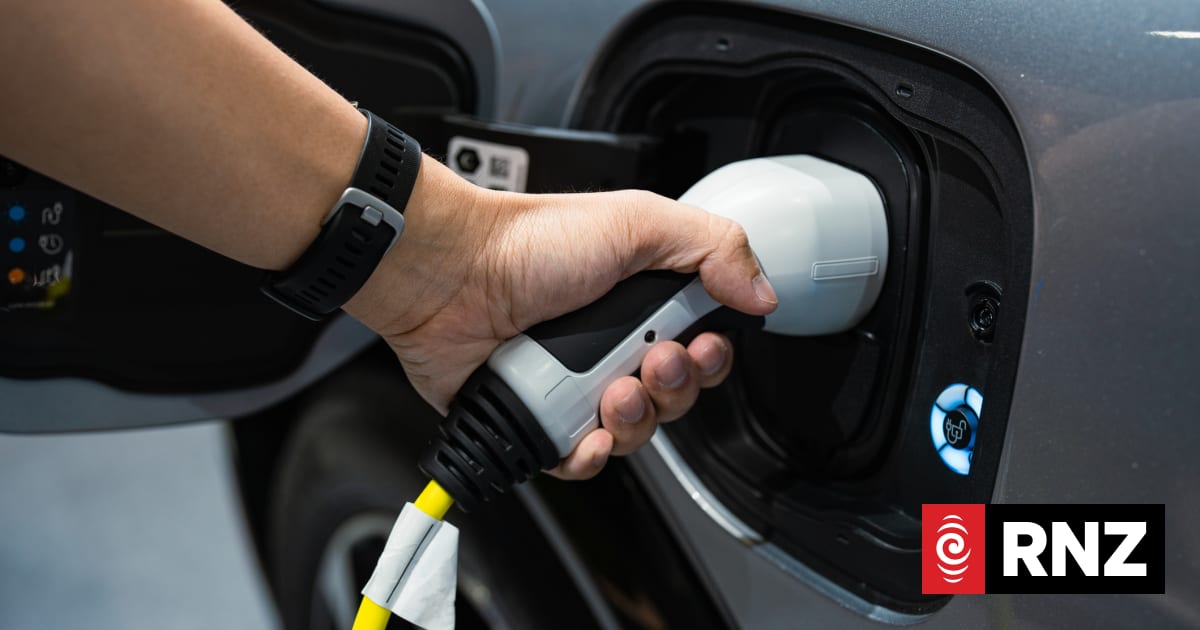
People looking for a used electric vehicle next year may find their options limited, as a major international vehicle carrier prepares to stop its service to New Zealand next year.The Norwegian-Swedish company Wallenius Wilhelmsen has told vehicle importers it will suspend its Japan-to-Oceania roll-on/roll-off service for the year, citing ongoing capacity pressures across the global vehicle shipping market.The suspension is not expected to impact the import of used hybrid vehicles, or new electric vehicles, or the Nissan Leaf which is imported through a different shipping line.Vehicle importers say the timing hits as used car prices in Japan are dropping, and demand in New Zealand and Australia is growing.Greig Epps is the chief executive of the Imported Motor Vehicle Industry Association which represents businesses importing, preparing, wholesaling, and retailing used vehicles.He told Nine to Noon Teslas, BYDs and BMWs that had been sold into Japan and were now about four or five years old were being brought to New Zealand but perhaps not for much longer."We're losing that ability to have some wider choice in the used EV market."Unsplash / Andrew RobertsSo far this year, about 3500 used EVs have arrived in New Zealand and that might drop to about 2500 next year.Demand had risen in part due to the Iran conflict, Epps said, and Wallenius Wilhelmsen's decision was a setback."This has put a real stop to the used import sector being part of the solution to bringing in reduced emission vehicles."Used hybrids are more readily available because New Zealand can import them from Japan, an expert saysUnsplash / Vlad BHybrids the keyWhile the new vehicle market was able to tell producers what brands they wanted, it was much harder to source used EVs in the $15,000 to $20,000 range although hybrids were more readily available."What we need to do is look to the hybrids.... When it comes to affordable hybrids we are starting to really hit our straps in the used car space because we can look to Japan which has just focused on hybrids in the last 10 years and we can go back to a vehicle from 2018, 2019 and bring that in and with that we can add to that reduction [in emissions] we're trying to help."It would also be important to expand the number of new EVs and gradually they would make their way into the used car sector, he said.Epps said there was a lot of pressure in the shipping space.China last year produced 34.5 million new vehicles while Japan was next with 8.5m."Europe wants it, the US wants it, all these other countries want it and we're at the end of the line and when they come down here, is there anything for them to take away. Empty ships don't make money."Some importers were looking at containers but with just two EVs per container "it's a lot more expensive".It was possible shipping companies were nervous of the small risk of the EVs catching fire because the damage would be enormous, given the fires in their batteries were so difficult to put out.The ships were worth around $150 million and took years to build, so it was understandable if the shipping companies were a bit apprehensive, Epps said.
Why buying a used EV could get harder next year
Full Article
Original Source
Read the full article at Rnz →KhanList aggregates and links to publicly available news content. We do not host full articles from third-party sources. Always verify important information with original sources.