
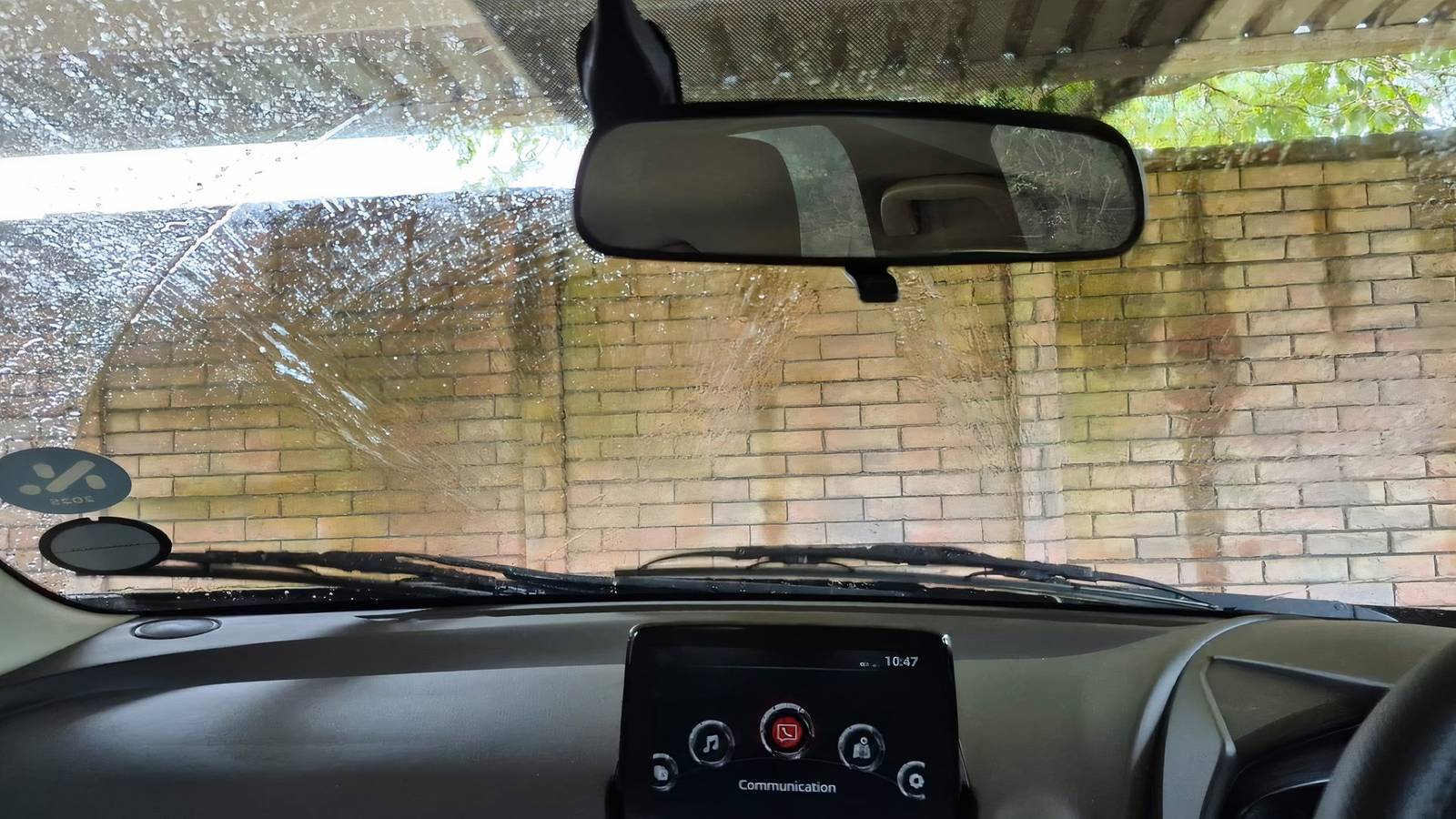
Published Aug 12, 2026, 3:00 PM EDT Tyler is an automotive journalist and content contributor at How-To Geek with over three years of experience covering the automotive industry. His work focuses on delivering clear, well-researched, and engaging content that helps readers better understand the vehicles they drive and the technology behind them. Before entering automotive media, he spent five years as an academic editor, developing a strong foundation in research methodology, factual accuracy, and structured analysis. This background informs his journalistic approach today, ensuring that every article balances technical insight with accessibility for a broad audience. Tyler specializes in automotive journalism, content strategy, and SEO-driven publishing, with a particular interest in performance, reliability, and the cultural role of cars. He approaches automotive writing with a distinct philosophy: vehicles should be engaging and expressive, not merely functional tools. This perspective shapes his coverage and allows readers to connect with cars beyond basic specifications. Replacing worn-out windshield wipers should be one of the simplest ways to improve visibility, but sometimes brand-new blades can leave your windshield looking worse than before. If you've just installed a fresh set, and you're still seeing streaks, smears, or patches of water left behind, the problem may not be the blades themselves. Several less obvious issues can prevent even a new set of wipers from making proper contact with the glass. Before you buy another set of blades, there are a few simple things worth checking out. Grime on the windshield or rubber, an improperly installed blade, and even old washer fluid can all contribute to poor wiping performance. Fortunately, most of these problems are easy and inexpensive to fix, meaning you may be able to restore clear visibility without replacing your brand-new wipers all over again. In order to give you the most up-to-date and accurate information possible, the data used to compile this article was sourced from various automaker websites and other authoritative sources. Giving your windshield and wiper blades a good clean is the first step A layer of grime could be impeding your wipers Credit: Tyler Dupont / How-To Geek If you've installed new wiper blades, and you're still getting streaks, or the streaks are even worse, then the likeliest reason is that your new wiper blades or your windshield are covered in a layer of grime. While they may look clean, things like oil, tree sap, or just general grime could be built up to the point where using your wipers is actually making things worse. Wax treatments or rain repellents could also be the cause. Give your wiper blades and windshield a good clean First, the wiper blades. Grab yourself a clean microfiber cloth and some warm soapy water and dunk the cloth in the water. Lift up your windshield wiper arm and pinch the rubber closely with the cloth. Firmly wipe from end to end and rinse your cloth off, repeating this until the cloth is no longer picking up any grime. Next, comes cleaning your windshield. Give it a good rinse with some water, and some car wash soap if you want to be thorough. Dry your windshield and then grab yourself some ammonia-free glass cleaner, which you can usually pick up at any auto store. Spray this onto your windshield and then wipe back and forth in smooth strokes with a fresh microfiber towel. Wipers that aren't installed properly won't be as effective Make sure they sit flush against your windshield One of the most obvious reasons that your new wiper blades could still be leaving streaks on your windshield is that your new wiper blades might not be installed correctly. It might sound silly, but if the wiper blades aren't installed correctly, and aren't sitting flush against your windshield, then they could be spreading grime around rather than washing it away. Check that they are secured correctly The first step is making sure that you have the correct wiper blades. Different cars require different length wiper blades. Make sure the ones you have match your model. If they are the correct length, then the next step is to make sure that they are installed properly. First, unclip your wiper blades. Lift your wiper arm up and away from the windshield and place a towel or something soft against the glass just to make sure that no damage is done while you work. Find the tab on the wiper where the blade meets the metal arm and press it to release the wiper. Some wipers are hook style, where you tilt them until they are horizontal and then you pull them downwards to release. Next, reinstall them by sliding them back in until you hear or feel a distinct click. Give them a light tug to make sure they are all the way in. The culprit might be your wiper fluid Old or poor quality wiper fluid can cause streaks Credit: Tyler Dupont / How-To Geek If you're sure that your wiper blades are installed properly and that they are flat against your windshield, the next step would be to check your wiper fluid. If you notice that the streaks mainly occur when you go to spray your windshield using your car's washer, then there's a high chance that your wiper fluid is the problem. Fresh wiper fluid can get rid of those pesky streaks It's something that most of us don't often think about, but making sure you have fresh, clean wiper fluid can make a world of difference. Old or poor quality washer fluid can definitely be the reason that you're still getting streaks after putting new wipers on your car. If you think that old or dirty wiper fluid could be the culprit, then you'll want to change the wiper fluid in your car. While there are some tricks to draining the wiper fluid, we think that the easiest way is just to use your car's built-in pump. Turn on your car and hold down the stalk until no more liquid is sprayed out. After you've drained your washer fluid, you'll want to pop the hood and find where you fill new washer fluid. You'll generally see a plastic cap with the image of a windshield and water spraying. Open this up and pour in your new washer fluid using the instructions on the bottle. This usually entails mixing concentrate with water. Replacing your wiper blades doesn't always fix the problem It is good to frequently replace your wiper blades, particularly if you face lots of rain or snow. Visibility during rough weather is extremely important for your safety. Unfortunately, sometimes replacing your wiper blades won't solve the problem, or will make it even worse. Ensuring that you keep your windshield clean, your wiper blades free of grime, and your washer fluid fresh are some of the best ways to get rid of those annoying streaks.
Why brand-new wiper blades can leave worse streaks than the ones you just replaced
Full Article
Original Source
Read the full article at Howtogeek →KhanList aggregates and links to publicly available news content. We do not host full articles from third-party sources. Always verify important information with original sources.