
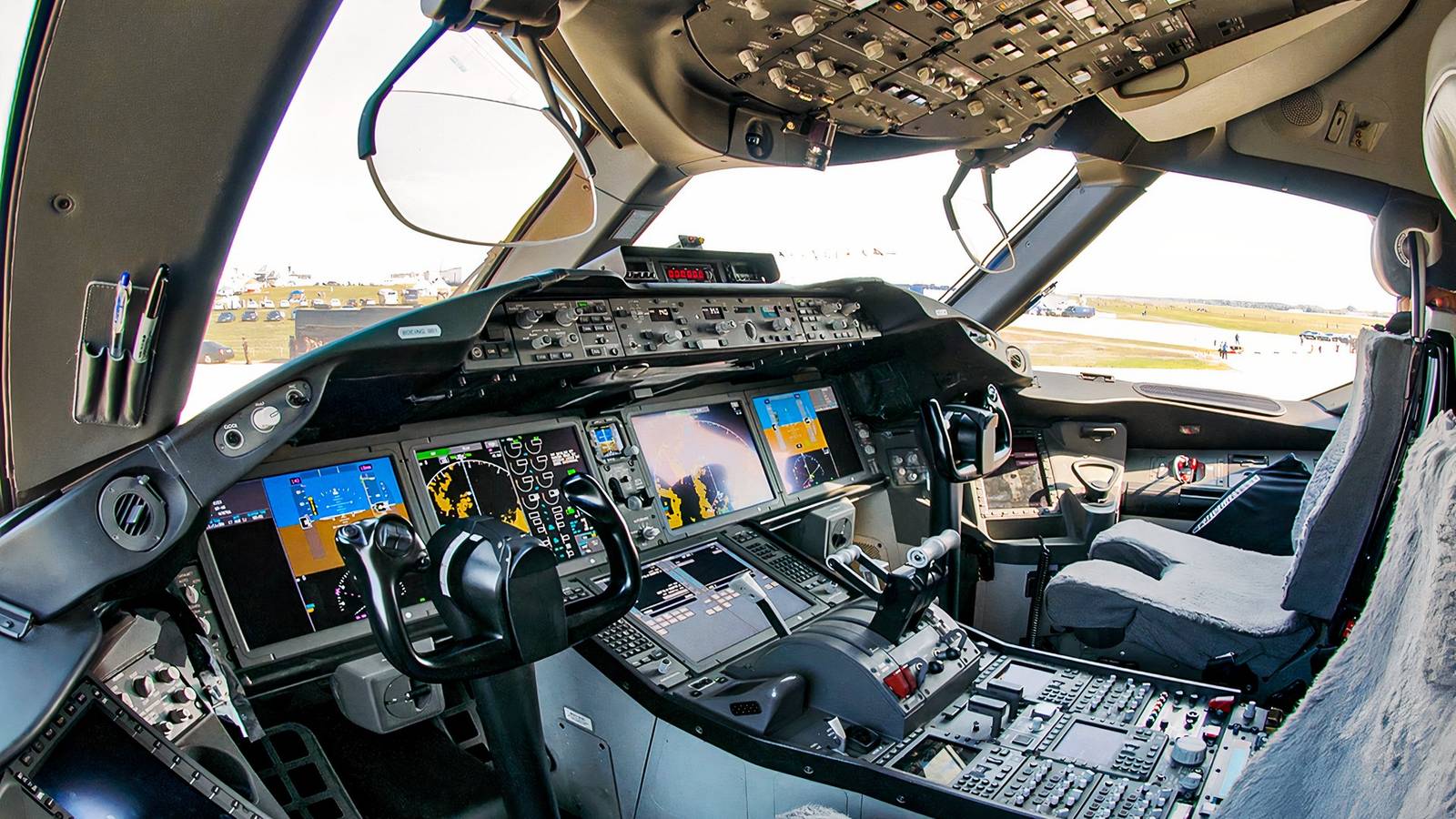
Published Nov 14, 2026, 1:00 AM EST An aviation writer, pilot, and flight operations professional who sees aviation from both sides of the cockpit door. With a background in aeronautics, safety, and human factors, she brings curiosity, firsthand experience, and a love of the details that turn aircraft and airports into stories worth telling. The Boeing 787 Dreamliner's flight deck is designed around digital information. Large displays bring together flight data, navigation information, aircraft system indications, and alerts, giving pilots access to information that once appeared across numerous separate instruments and documents. The aircraft’s electronic checklist system follows the same philosophy. Instead of relying solely on printed pages, pilots can access normal and non-normal checklists through the flight deck displays. This is more than a change in presentation. An electronic checklist can connect checklist procedures with aircraft alerts and, where the system supports it, use aircraft signals to confirm that certain actions have been completed. That can help pilots keep track of a procedure, avoid overlooking steps after an interruption, and manage abnormal situations more systematically. Paper checklists still have an important role, however. Understanding why Boeing adopted electronic checklists means looking at how they work, what they improve, and where their limitations remain. How Electronic Checklists Work In The Boeing 787 Credit: Zaki Visuals | Shuttersock The 787’s electronic checklist system is integrated into the aircraft’s flight deck information environment. It provides access to normal checklists, which cover routine phases of flight, and non-normal checklists, which address situations requiring a specific response. Rather than searching through a paper manual, pilots can select the relevant procedure on a display and work through its instructions in sequence. The relationship between the checklist system and the aircraft alerting system is particularly important during non-normal operations. When the aircraft detects a condition that generates an applicable alert, the flight crew can access the associated checklist through the flight deck controls. On the 787, selecting the checklist function can bring up the relevant procedure on a multifunction display. If several alerts have associated checklists, the system can present them for the crew to select. This gives pilots a more direct route from an aircraft indication to the procedure intended to address it. Electronic checklists can also provide information about whether individual actions have been completed. Some items are designed as closed-loop steps, meaning the system receives a signal from the aircraft that can confirm the required configuration or action. Other items are open-loop steps, which require the pilot to verify completion manually. The distinction matters because an electronic checklist does not automatically know whether every action has been performed simply because a pilot has selected or acknowledged an item. Why Boeing Moved Beyond Paper Checklists Credit: schusterbauer.com | Shutterstock Paper checklists are straightforward, familiar, and independent of an aircraft's display systems. They have served flight crews for decades, but they also create practical challenges in a modern cockpit. A pilot must locate the correct page, maintain their place while reading, and ensure that the checklist continues from the correct point after an interruption. During a busy phase of flight, even a small loss of place can require the crew to retrace steps and confirm which actions have already been completed. An electronic checklist addresses several of these difficulties by keeping the procedure within the flight deck display environment. The crew can access the required checklist without handling a separate document, while the system can provide visual indications of progress. Where aircraft data supports automatic confirmation, the display can also distinguish between an action that has been verified by the system and one that still requires a pilot's confirmation. This reduces some of the administrative work involved in tracking a checklist, although it does not remove the need for careful monitoring. The move toward electronic checklists also reflects the wider development of flight deck automation. As aircraft systems became more integrated, manufacturers had opportunities to connect operating procedures with alerts and aircraft configuration information. Boeing's work on electronic checklists predates the 787. The company's development of the technology began decades earlier, with its system evolving through the 1990s and becoming part of the Boeing 777 flight deck. The 787 builds on that broader move toward integrated flight deck information rather than representing the beginning of electronic checklist technology. Closed-Loop & Open-Loop Checklists Explained Credit: vaalaa | Shutterstock One of the most important features of an electronic checklist is the difference between closed-loop and open-loop items. Although both appear within the same procedure, they do not work in the same way. A closed-loop item can receive confirmation from an aircraft system or sensor, while an open-loop item depends on the flight crew to perform and verify the action. Understanding this distinction helps explain why an electronic checklist is more than a digital version of a printed page. For a closed-loop item, the checklist system can use information from the aircraft to determine whether the required condition has been achieved. For example, if a checklist step requires a particular switch or system configuration, an appropriate aircraft signal may allow the system to recognize that the condition has been met. The checklist indication can then change to show completion. The exact indications and available feedback depend on the aircraft system and the individual checklist item. Feature Closed-Loop Item Open-Loop Item Completion confirmation Can receive confirmation from aircraft data or a system signal Requires pilot verification Checklist indication Can update when the required condition is detected Depends on the crew's confirmation Human responsibility Pilot still monitors the action and system response Pilot performs and verifies the action Main limitation Only works where suitable aircraft feedback is available Cannot independently confirm completion An open-loop item works differently. The system cannot independently confirm that the required action has been carried out, so the pilot must complete the task and verify it. This is important for actions that depend on human observation, judgment, or confirmation rather than a signal available to the checklist computer. Electronic presentation does not turn every checklist instruction into an automatically verified action. The crew remains responsible for ensuring that each step has been completed correctly. How Electronic Checklists Support Pilots During Abnormal Situations Credit: agxtgsjod12 | Shutterstock Electronic checklists are particularly useful when an aircraft generates a non-normal alert. In these circumstances, pilots may need to identify the condition, locate the applicable procedure, assess the aircraft's status, and carry out a series of actions. The checklist system helps connect the alert with the relevant procedure, reducing the need to search manually through a collection of printed pages while managing other flight deck tasks. On the Boeing 787, the electronic checklist system works alongside the aircraft's alerting functions. When an alert has an associated checklist, pilots can use the checklist control to access the procedure on a multifunction display. If more than one alert requires a checklist, the crew can be presented with the available procedures and select the one they need. The system therefore helps organize procedural information, but it does not make operational decisions on behalf of the pilots. The display also helps crews monitor progress through a procedure. This is particularly relevant when a checklist is interrupted or when several tasks must be managed at the same time. A clear indication of checklist status can help pilots establish which items have been completed and which remain outstanding. Nevertheless, the crew must continue to monitor the aircraft, communicate effectively, and apply the procedure in the context of the situation. The checklist is a tool for supporting those responsibilities, not a substitute for them. Why Paper Checklists Have Not Disappeared Credit: MJS6 | Shutterstock Electronic checklists offer clear advantages, but they also depend on the availability and correct operation of the aircraft's electronic systems. A display failure, checklist system fault, or loss of relevant system feedback can affect how the crew accesses or completes a procedure. For that reason, paper checklists and approved alternative procedures remain important parts of the wider operational framework. The presence of an electronic checklist does not mean printed procedures are unnecessary. The Boeing 787's minimum equipment procedures recognize that the electronic checklist system can be unavailable under specified conditions. If the system is inoperative, the applicable maintenance and operational provisions require it to be deactivated and suitable checklist procedures to be used. There are also provisions for situations in which closed-loop indications are unavailable. In those circumstances, crews may need to use the prescribed line-item override procedures to complete the checklist. These provisions demonstrate that the aircraft has procedures for dealing with checklist system limitations rather than assuming the electronic system will always be available. Electronic Checklists Paper Checklists Integrated with flight deck displays Available independently of the checklist display Can connect with aircraft alerts Require the crew to locate the relevant procedure Can show checklist progress Require manual tracking of progress Can confirm supported aircraft configurations Depend on crew verification Depend on functioning electronic equipment Provide an alternative when approved procedures require their use Paper procedures also provide another way to access information. They do not rely on the checklist display itself, and they can serve as a practical backup when the approved procedures call for their use. However, paper is not automatically safer or more reliable in every situation. A printed checklist can be misplaced, difficult to manage during a busy phase of flight, or harder to track after an interruption. The key point is that electronic and paper procedures have different strengths, and the aircraft's approved operating documentation determines which method to use in a given circumstance. Credit: YAKOBCHUK VIACHESLAV | Shutterstock The biggest advantage of an electronic checklist is not simply that it removes paper from the cockpit. Its value comes from how it organizes information and, where the aircraft supports it, connects procedures with aircraft system data. A pilot can access an applicable checklist through the flight deck interface, follow its sequence, and receive confirmation for certain actions. That integration can make checklist management more consistent and help reduce errors associated with losing place or overlooking a step after an interruption. However, electronic systems introduce their own considerations. Pilots must understand how the checklist interface works, recognize the difference between automatically confirmed and manually verified items, and avoid treating a completed indication as proof that the entire aircraft is in the correct condition. A system can only confirm what its sensors and programmed logic are designed to monitor. It cannot replace the crew's responsibility to assess the aircraft, recognize unexpected conditions and apply sound judgment. The Boeing 787's electronic checklist system therefore represents an evolution in how flight crews manage procedures, rather than an attempt to remove human involvement. It brings checklists closer to the aircraft information they depend on, provides a structured way to monitor progress and supports access to non-normal procedures when alerts occur. Paper procedures remain part of the operational backup framework, while pilots retain responsibility for every action and verification. The technology has changed how the checklist is presented, but the essential purpose remains the same: ensuring that critical actions are completed, checked, and understood before the flight moves on.
Why Boeing 787 Cockpits Use Electronic Checklists Instead Of Paper
Full Article
Original Source
Read the full article at Simpleflying →KhanList aggregates and links to publicly available news content. We do not host full articles from third-party sources. Always verify important information with original sources.