
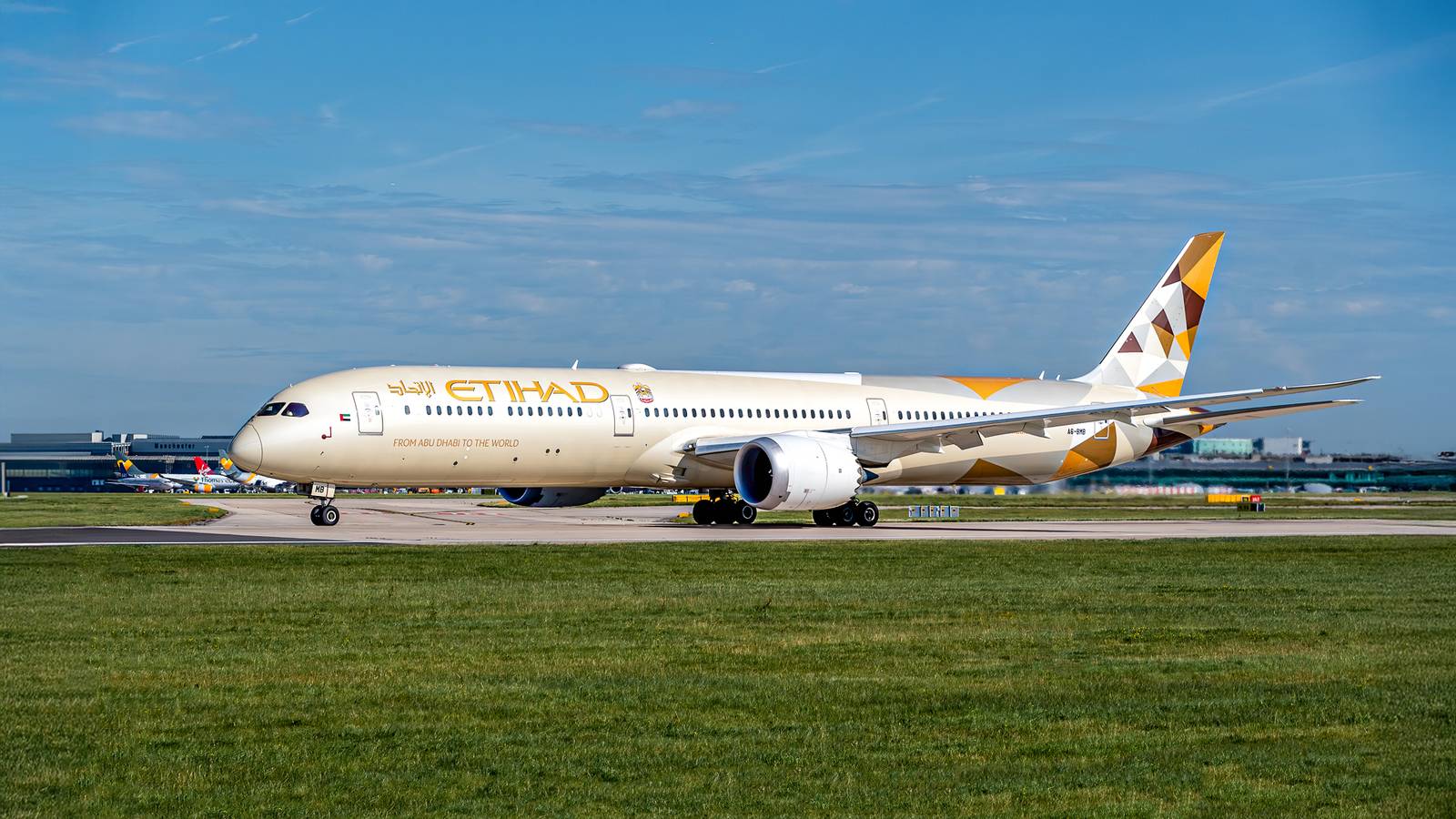
Selecting a powerplant for a widebody fleet is one of the most consequential financial commitments an airline executive can make, locking the carrier into a multi-decade maintenance relationship that is quite tough to get out of. During the years where Boeing developed the Boeing 787 family, it made the decision to offer two distinct engine options, with the General Electric GEnx-1B and the Rolls-Royce Trent 1000. The dual-engine strategy successfully distributed supply chain risk and gave network planners purchasing leverage, but it also exposed airlines to vastly divergent operating economics and maintenance profiles. Over the past decade, the operational histories of these two powerplants have gone on their own individual paths, driven by unexpected durability hurdles, time-on-wing variances, and costly fleet modifications. As a result, maintenance expenses can differ by millions of dollars per aircraft because of the engineering differences, repair liabilities, and long-term financial structures tied to each manufacturer. What Are The Fundamental Differences? Boeing's decision to engineer the 787 to accept two mutually exclusive engine types was rooted in lessons learned from earlier widebody programs. Offering both the General Electric GEnx-1B and the Rolls-Royce Trent 1000, Boeing wanted to show airlines that they no longer needed to be locked into a single supplier monopoly, but also to protect the airframer from production problems if one manufacturer faced factory delays. The flexibility allowed carriers to match engine performance characteristics to their specific route networks, balancing fuel burn against operating weights and thrust ratings. The General Electric GEnx-1B is built on a twin-spool design featuring a carbon fiber composite fan and Twin Annular Pre-Swirl (TAPS) combustors, sharing operational lineage with engines powering larger Boeing aircraft. In contrast, the Rolls-Royce Trent 1000 is built on a signature three-shaft (triple-spool) configuration with intermediate-pressure stages and hollow titanium fan blades, designed exclusively for the Dreamliner family. These fundamental engineering differences meant that maintenance tooling, spare parts inventories, and overhaul procedures were entirely unique to each fleet type. Over at the airlines, the choice initially came down to commercial inducements, leasing structures, and projected aircraft utilization. Airlines with heavy historical ties to Rolls-Royce naturally gravitated toward the Trent 1000 to maintain cross-fleet maintenance familiarity, while operators favoring General Electric chose the GEnx-1B for its established high-bypass efficiency. However, as aircraft accumulated operational flight hours, the underlying maintenance realities of each powerplant began to drift off in ways that reshaped global fleet orders. When Engine Issues Become Costly The divergence in maintenance costs accelerated rapidly as early iterations of the Rolls-Royce Trent 1000 encountered intense, unforeseen durability hurdles. As noted by AirInsight, the powerplant's initial years in service were plagued by fatigue and corrosion issues within its intermediate-pressure turbine (IPT) blades, leading to accelerated wear and premature component failures. Although Rolls-Royce introduced the upgraded Trent 1000 TEN standard to resolve these issues, subsequent engineering evaluations showed that high-pressure turbine (HPT) blades were also wearing out significantly faster than projected design models anticipated. What came was tough operational fallout for airlines flying Trent 1000-powered Dreamliners. It was immediate and severe, characterized by unexpected engine groundings, plummeting dispatch reliability, and soaring maintenance expenses. Major international operators such as Air New Zealand and British Airways were forced to ground aircraft for lengthy inspections and unscheduled overhauls, as reported by Aviation Week. To stick to already published flight schedules during these mandatory groundings, several affected carriers had to lease older, less fuel-efficient backup aircraft from the open market, incurring millions of dollars in supplementary operational expenses. Airlines and their respective maintenance departments became reactionary, where engineers had to manage aggressive removal schedules and emergency component replacements well ahead of standard lifecycle intervals. While safety was rigorously maintained through constant borescope inspections and regulatory airworthiness directives, the financial toll of keeping these aircraft operational strained airline engineering budgets and disrupted long-term route planning. Where Rolls-Royce Fell Behind The mechanical difficulties encountered by the Trent 1000 triggered profound financial consequences for Rolls-Royce and caused a noticeable shift in global widebody purchasing patterns. Industry reports from Aviation Week indicate that the cumulative cost of retrofits, customer compensation, and engine modifications surpassed $3 billion for Rolls-Royce, with aviation analysts estimating that up to 500 engines across the worldwide fleet needed remediation. The massive financial liability prompted corporate restructuring and an intensified engineering focus on redesigning hot-section components to restore customer confidence. Concurrently, the maintenance disparity heavily influenced subsequent airline procurement decisions. Fleet data compiled by Simple Flying highlights a pronounced market shift: roughly 35% of the active Dreamliner fleet operates on Trent 1000 powerplants, while 65% relies on General Electric GEnx engines. In recent sales campaigns, widebody customers overwhelmingly selected GE, ordering 677 GEnx-powered aircraft compared to just 71 for the Trent 1000. Rolls-Royce's leadership, including engineering chief Simon Burr, candidly acknowledged that the company had surrendered market share because earlier iterations of the engine were simply not sufficiently durable. That market contraction demonstrated how crucial predictable maintenance performance is to an aircraft's commercial success. Even though airlines frequently put pen to paper on aggressive initial acquisition discounts when finalizing engine selections, the long-term cost of unreliability and frequent shop visits quickly outweighs upfront savings, making durability the primary metric for fleet evaluation. The Reliability Factor At the heart of widebody maintenance economics is the concept of time-on-wing, or the operational duration an engine can complete commercial flights before needing a major workshop overhaul. A General Electric GEnx-1B engine stays in the wing three times longer and can frequently achieve more than 20,000 operating hours before its first major shop visit, maintaining consistent fuel efficiency and low thermal stress. This extended durability significantly reduces the frequency with which an airline must unhang heavy powerplants from the wing and transport them to certified overhaul facilities. In contrast, the early generations of the Trent 1000 suffered from time-on-wing intervals that were a fraction of their competitor's benchmark, leading to repeated, premature shop visits. When an engine suffers an unplanned removal, the financial impact extends far beyond the repair bill. Transport logistics, spare engine leasing fees, and teardown labor mean that a single unscheduled shop visit can easily exceed $5 million in direct and indirect costs, severely impacting an airline's quarterly profitability. Predictability is paramount for airline finance departments trying to stick to fixed operating budgets. While GEnx operators benefit from stable, linear maintenance amortization schedules, Trent 1000 operators historically faced fluctuating maintenance reserves and unexpected capital outlays to cover recurring shop visits. As a result, the reliability gap created a clear economic divide between the two subfleets, influencing how asset managers value leased 787-9 aircraft depending on which engine hangs beneath the wing. The Trent Turnaround Credit: Rolls-Royce Determined to reverse its competitive disadvantage, Rolls-Royce instituted a comprehensive technical turnaround centered on its newest engine standard, the Trent 1000 XE. Designed to triple the time-on-wing performance of the older TEN variants, the XE incorporates advanced thermal barrier coatings and redesigned turbine geometry. Leadership at Rolls-Royce, including CEO Tufan Erginbilgic, noted that targeted operators could see up to six years between major shop visits, as per Reuters. Following initial certification milestones in June 2025, rollout programs are actively modernizing in-service units across global fleets through late 2027. On the operator risk side, many Rolls-Royce airlines rely on TotalCare agreements, comprehensive power-by-the-hour maintenance contracts where the carrier pays a fixed rate per flight hour, effectively transferring the financial liability of shop visits back to the manufacturer. Rolls-Royce committed to upgrading existing Trent 1000 engines to the improved durability standard at no additional charge to airlines. However, industry analysts at Aircraft Monitor point out an enduring secondary cost: because the Trent 1000 fleet now spans multiple engineering build standards and retrofit configurations, airlines and maintenance hubs must manage complex parts inventories and tooling for varying sub-generations. With the parts fragmentation comes an administrative and logistical overhead that can complicate line maintenance. TotalCare agreements protect airlines from direct overhaul bills, but the operational friction of supporting a mixed-standard engine fleet is still a distinct and important consideration for engineering planners comparing the streamlined configuration of the GEnx-1B ecosystem. Reliability That Can Be Managed The divergence in maintenance costs between 787-9 aircraft powered by General Electric GEnx engines and those equipped with Rolls-Royce Trent 1000s is a case study in the unforgiving economics of modern propulsion engineering. In the beginning, the Trent 1000's early durability struggles and subsequent retrofit campaigns cost manufacturers billions and reshaped market share, but now, with ongoing technical enhancements like the XE standard, reliability is now firmly under control at Rolls-Royce. Ultimately, choosing between these two powerplants is a choice between initial acquisition incentives and long-term lifecycle risk. The lessons learned from the Dreamliner's dual-engine experiment will continue to guide how airlines evaluate maintenance predictability across all future widebody acquisitions. Many airlines still have the 787 on order, and many others are likely to add new orders over the coming years, so it will be interesting to see if that split between both engines becomes far more even.
Why Boeing 787-9 Airlines Face Different Maintenance Costs With Rolls-Royce & GE Engines
Full Article
Original Source
Read the full article at Simpleflying →KhanList aggregates and links to publicly available news content. We do not host full articles from third-party sources. Always verify important information with original sources.