
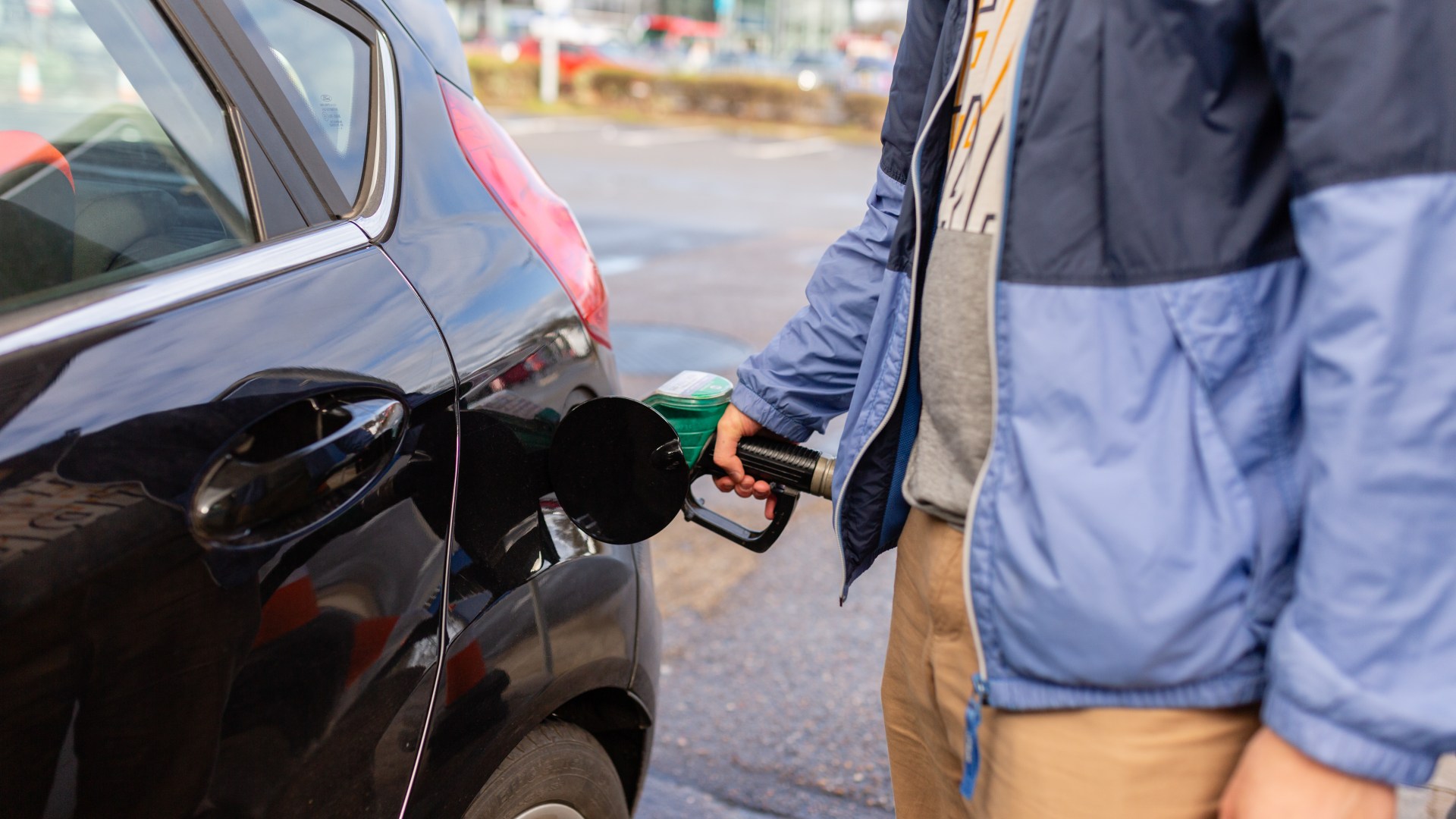
DRIVERS are facing another hit at the forecourts as petrol and diesel prices surge back to levels not seen since 2022. If you have filled up recently, you may have noticed the numbers ticking up on the display. The average price of petrol has climbed to 169.68p a litre, while diesel has hit 191.68p a litre Credit: Getty Filling a standard 55-litre family petrol car now costs more than £93 Credit: Getty How much does fuel cost? The average price of petrol has climbed to 169.68p a litre, while diesel has hit 191.68p a litre. That’s closing in on the record highs set after Russia’s invasion of Ukraine four years ago. Sign up for The Sun newsletter Thank you! Filling a standard 55-litre family petrol car now costs more than £93. Tanking up the same family car with diesel now sets drivers back over £105. What is driving the price spike? The main factor behind the surge is escalation in the Middle East. The ongoing conflict involving the US, Israel, and Iran has thrown global energy markets into turmoil, disrupting production and shipping routes. The fighting has effectively closed the Strait of Hormuz – a narrow maritime bottleneck that normally handles around 20% of the world’s oil and liquid natural gas exports – for over six months. To make matters worse, on September 10, a series of drone attacks launched from Iraq struck Saudi Arabia, forcing officials to shut down the country’s East-West pipeline. Most read in Motors The pipeline was the main workaround for bypassing the Strait of Hormuz, moving several million barrels of oil a day to the Red Sea. With that route crippled, global supply has tightened, sending crude oil prices surging past $108 (£80) a barrel. How does crude oil affect pump prices? Crude oil is the raw ingredient used to produce petrol and diesel. When crude prices jump on world markets, your local petrol station feels the pinch. Industry experts estimate that every $10 (£7.44) increase in a barrel of oil pushes pump prices up by roughly 7p a litre. Because transporting and refining oil takes time, wholesale price movements take about two weeks to fully reflect at forecourt pumps. Before this latest round of conflict, oil was trading at around $70 a barrel. The jump back over $100 means drivers are feeling the immediate shock. What’s being done? While motorists often suspect price gouging during a crisis, official market regulators state there is currently no evidence that fuel retailers are altering pricing strategies to exploit the situation. But RAC policy chief Simon Williams warned that with global markets so volatile, “there’s no end in sight to high pump prices.” Former Prime Minister Sir Keir Starmer previously postponed a planned 5p increase in fuel duty, pushing the hike back to the end of December to give households breathing room. With prices soaring again, motoring groups are lobbying the Treasury to freeze fuel duty for the long haul. In the meantime, drivers can use the official Fuel Finder scheme to map out the cheapest forecourts nearby. Comment now
Why are fuel prices rising again? What’s behind the spike in petrol and diesel costs
Full Article
Original Source
Read the full article at Thesun →KhanList aggregates and links to publicly available news content. We do not host full articles from third-party sources. Always verify important information with original sources.