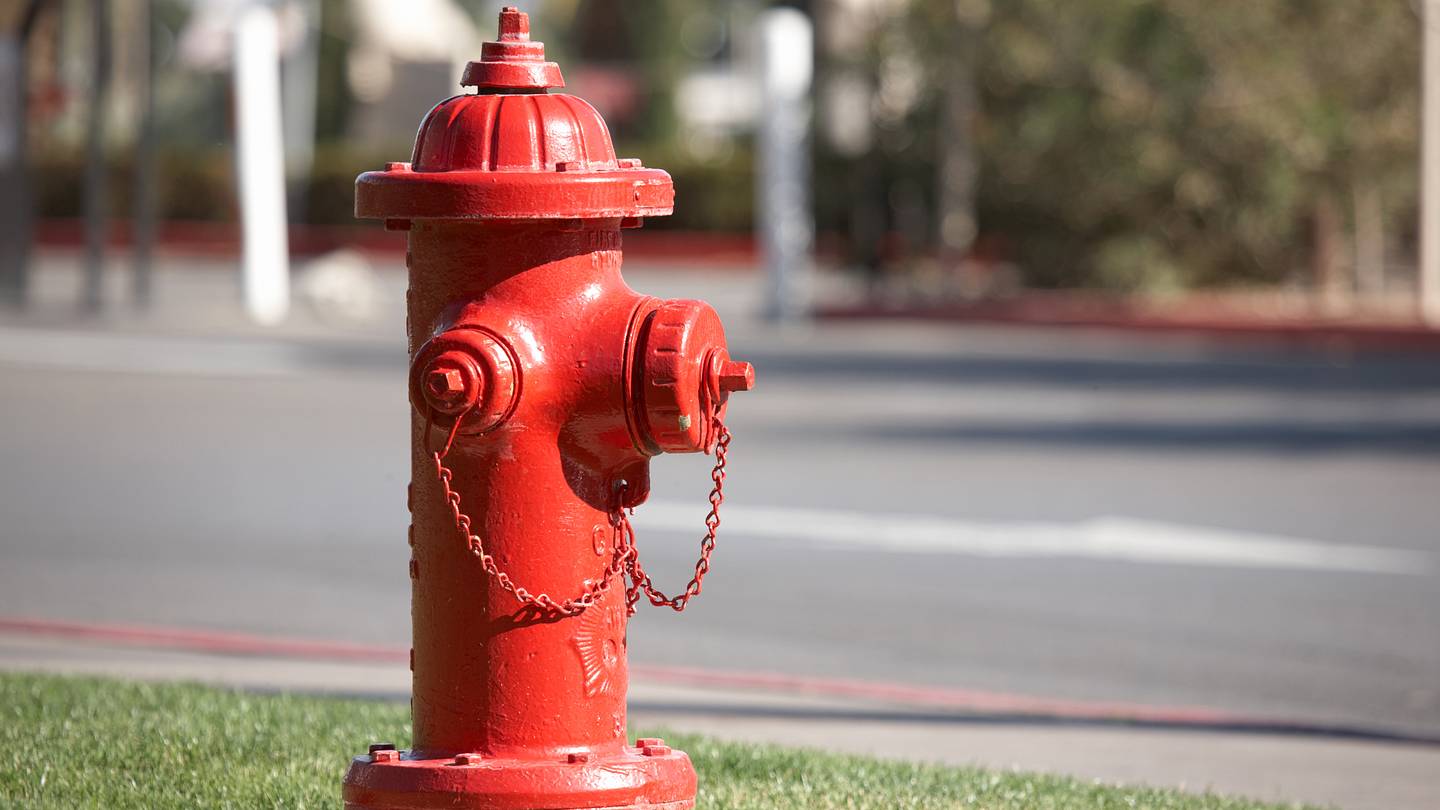
If you’ve ever had a job where you needed fire safety training, then you’ll doubtless know that different fire extinguishers—often with different colors, symbols, or other designations, depending on what country you’re in—each have different purposes, and therefore contain different extinguishing materials intended for use on different kinds of fires. As a result, fires caused by the likes of flammable liquids, electrical items, gases, oil, and even ash all typically have different classes of fire extinguisher associated with them, and, depending on your workplace, it is the most suitable extinguisher that will be stored nearby. But the same can’t really be said of fire hydrants. Far from containing different kinds of extinguishing materials intended for different kinds of fires, these specialized on-street water pumps simply allow the local fire services to tap into a nearby water main during an emergency. So if all fire hydrants are used to pump water, why do they have to come in different colors as well? Different Rules By RegionFire hydrant | Spencer Platt/GettyImagesPerhaps understandably, different cities, states, regions, and countries all have different rules and regulations when it comes to fire hydrants—including even where they are located. In countries such as Japan, Germany, Spain, and the United Kingdom, for instance, hydrants are typically accessed below ground, and are hidden out of sight below heavy metal grates or coverings when not in use. The below-ground location of the nearest fire hydrant in the UK is typically then shown on a small yellow sign marked with a large black H, alongside of which are figures showing the size of the hydrant’s water pipe, and the distance to it from the current location in meters. In countries such as the United States, however, the hydrant is typically positioned above ground, often on the side of the street or sidewalk. The below-ground water supply is then accessed via a round nozzle connected to an above-ground metal post or pole, properly known as a barrel. Although different states and jurisdictions still have different rules dictating the appearance of fire hydrants, the barrel itself is typically painted a very noticeable color (bright red, yellow, or white are common) so that the hydrant remains easily visible at all times. The nozzle and rounded cap or “bonnet” of the hydrant, however, is often painted a different color—which, in some cases, is intentional. The U.S. Color-Coding SystemHydrant | Terry J Alcorn/GettyImagesAccording to the U.S. National Fire Protection Association, the color of hydrant bonnets is usually part of a localized color-coding system that tells firefighters responding to a nearby emergency the approximate capacity of the hydrant’s water flow, measured in gallons per minute, or gpm. The most powerful hydrants, with a flow capacity of over 1,500 gallons per minute, are designated AA by the NFPA, and are typically painted pale blue. Class A hydrants, often painted green, have a capacity of 1,000-1,499 gpm; class B, painted orange, have a flow of between 500-999 gpm; and smallest of all, the class C hydrants, are typically painted red, and have a flow rate of anything up to 500 gpm. So, although the precise quantities and color schemes used of fire hydrants in the US can still vary from one state, city, or jurisdiction to the next, it is the flow rate of the water inside the hydrant that is the key to its color. More Big Questions:
Why Are Fire Hydrants Different Colors?
Full Article
Original Source
Read the full article at Mentalfloss →KhanList aggregates and links to publicly available news content. We do not host full articles from third-party sources. Always verify important information with original sources.