
Millions of British households are set for higher energy bills after the industry regulator confirmed the new price cap coming into force in January.Ofgem has announced it is raising its price cap to £2,166 per year for a typical dual fuel household, up £443 or 26% on current levels.It means households face the highest quarterly energy bills since the second quarter of 2023.Here the Press Association news agency looks at why bills are higher and what people can do to reduce their bills.– What is Ofgem’s price cap?The energy price cap sets a maximum price that suppliers can charge customers in England, Scotland and Wales for each unit of gas and electricity they use.It also sets a maximum daily standing charge – the cost of having your home connected to the grid.The headline price cap figure provided by Ofgem indicates what a household using gas and electricity and paying by direct debit can expect to pay if their energy consumption is typical.It is important to note the price cap does not limit a home’s total bills because people still pay for the amount of energy they use – so if that is above the average they will pay more, and if it is below they will pay less.Energy is regulated separately in Northern Ireland.– What’s changing with my energy bill this time?The price cap coming into force from January 1 will rise by 26%, taking effect for the three month period to the end of March.The figure would represent £2,166 for the average household if sustained for a year – the highest level for three-and-a-half years.The rise has been particularly linked to an increase in gas prices, while electricity prices have risen more slowly.– What has driven the increase?Container ships are seen through haze in the Strait of Hormuz off Bandar Abbas, Iran (Amirhosein Khorgooi/AP)APOngoing tensions in the Middle East have sparked a fresh surge in international gas prices in recent months.Read MoreBoth wholesale oil and gas prices jumped sharply in October after increased attacks, weighing on prices during the calculation period used by Ofgem.– What is the Government doing to help?The Government is offering around 20 million households a payment of £100 to help pay their energy bills from January.It comes alongside a temporary 5% VAT cut from electricity bills until June next year.The removal of electricity VAT, which started last month, will mean households who use more electricity, or only use electricity, will see a bigger reduction in their bill.Households eligible for the warm homes discount will also receive a one-off £150 payment for the winter (Peter Byrne/PA)PA ArchiveThe Chancellor also announced in his autumn budget that gas standing charges will be scrapped in England, Scotland and Wales.Households eligible for the warm homes discount will also receive a one-off £150 payment for the winter.– Are prices going to keep going up?No, prices are expected to start falling from now after a dip in wholesale energy prices.However, experts at Cornwall Insight currently expect only a slight dip for the quarter from April, with international gas prices still at elevated levels.It said on Wednesday that its current early forecast for the quarter from April next year points to a 1% fall, which would take a typical bill to £2,151 for the year.Ofgem will confirm the price change for the next quarter in February, meaning it can still move dramatically, particularly given recent volatility in the energy markets.The rise has been particularly linked to an increase in gas prices, while electricity prices have risen more slowly (Lauren Hurley/PA)PA ArchiveAnalysts said current forecasts show bills settling at around £2,000 a year for a typical household in the second half of 2027, still firmly above levels from before the conflict.– Do I need to do anything?Currently more than 10 million households are on fixed tariffs and therefore unaffected by the rising price cap.Ofgem said that customers can consider moving onto a more predictable fixed rate tariff.It also said energy customers could change to direct debit if they currently pay on receipt of bill, which it said could save the average customer around £160 a year.The price cap coming into force from January 1 will rise by 26%, taking effect for the three month period to the end of March (Danny Lawson/PA)PA Wire– How do I start the switching process?Experts recommend looking for deals that are cheaper than the price cap, not longer than 12 months and without significant exit fees.People can use websites to compare gas and electricity unit rates and standing charges in their region, from a range of suppliers.Uswitch said the current cheapest fixed rate deal “could save an average of £412 a year against January’s levels” but stressed that bills vary depending on where people live and house much energy they use.
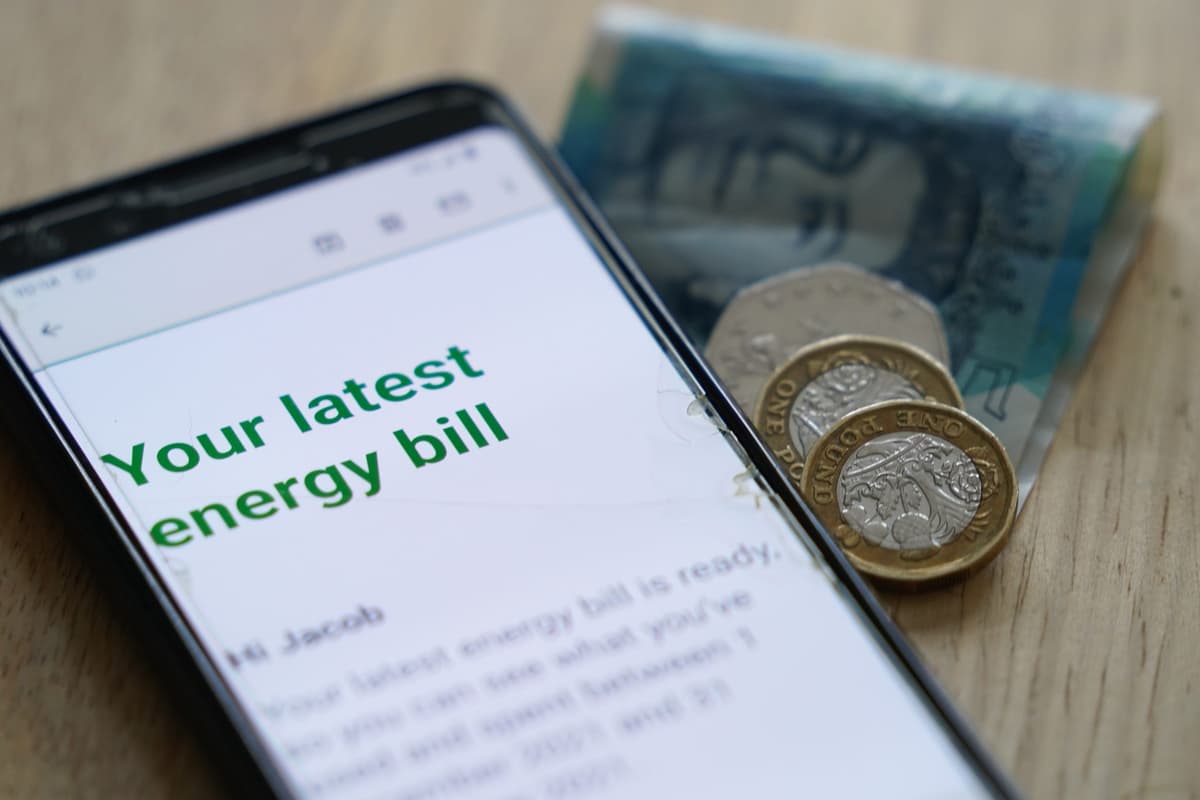
Why are energy bills going up and what can I do about it?
Full Article
Original Source
Read the full article at Standard →KhanList aggregates and links to publicly available news content. We do not host full articles from third-party sources. Always verify important information with original sources.