
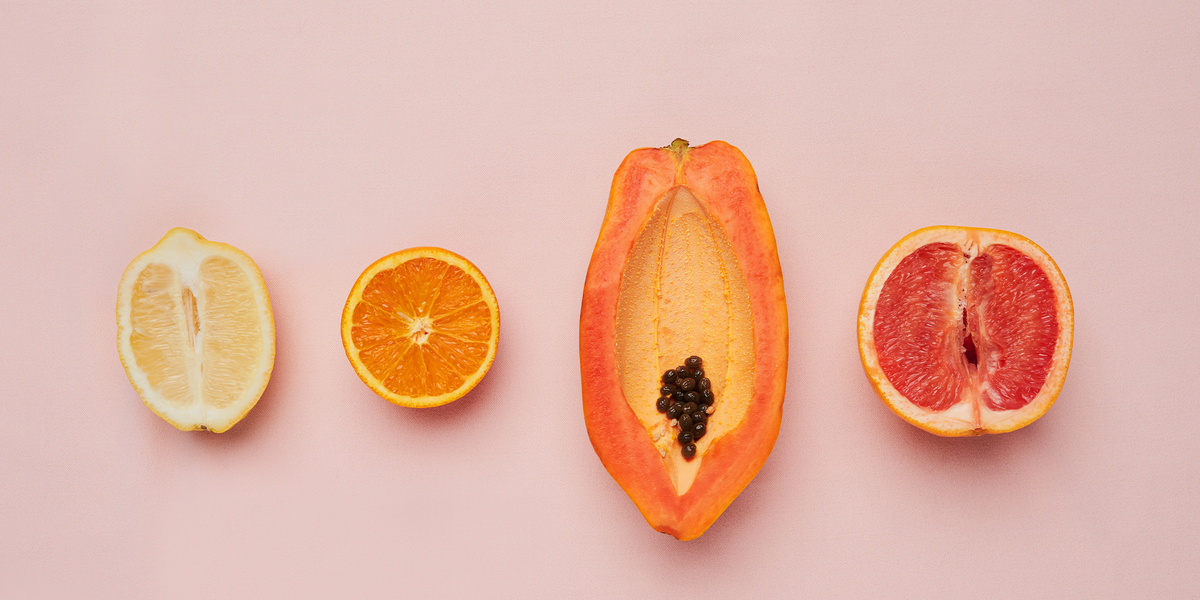
Lemons. Pears. Kumquats. Raspberries. What may sound like a brag on my Farmer’s Market bounty, in the Year of Our Lord 2026, is actually an inventory of sex toys.The Lem, an air suction toy aptly named for its lemon-inspired shape and color, from sex toy brand Hello Nancy, has taken over TikTok. In June, Lubricant brand WOO More Play launched a kumquat-shaped vibrator called the Cumquat Vibez (get it?). And the brand that brought us the rose vibrator in 2024, Inya, now sells a pear-shaped clitoral vibrator.At first, the rise of fruit-shaped vibrators may just seem like a cutesy trend. But the presence of these toys may also reveal something larger about which expressions of sexuality are—and aren’t—palatable in our cultural moment. “The sex toy industry doesn’t exist in a vacuum. The products it brings to market say something about the current political and social state,” says Philadelphia-based ASSECT-certified sex therapist and clinical licensed social worker Melanie Greenberg, LCSW, CST, MEd, and founder of Pulling Threads Therapy.With that, she says, the fact that it is fruit vibes currently being created, sold, used, and seen on social media feels particularly fitting in a cultural moment increasingly preoccupied with restraint—from the rise of trad wife traditionalism, to shrinking celebs and weight-loss shots.The Advertising Advantage There’s a standout benefit to making vibrators that look like something you’d toss into a fruit salad: They’re easier to advertise.“Creating a vibrator that looks like a fruit makes it easier to photograph and share on social media,” says Alexandra Fine, the Founder and CEO of Dame (who has plenty of experience fighting restrictions on how sexual wellness companies can advertise their products).Indeed, Lem and the rest of Hello Nancy’s lineup have benefited from their fruit-tastic appearance. “The vibrant colors and overall cuteness of the toy really helped on social media,” Rachana Ramchand, the co-founder and Head of Operations at Hello Nancy, tells Cosmopolitan. “It literally looks like a piece of fruit, so we don’t particularly face harsh shadowbanning on Meta platforms due to the appearance of the toy,” she says.Of course, disguising a vibrator as produce section treasure isn’t foolproof: “While it seems like these products are less likely to get flagged, that content is still being flagged or suppressed,” says Fine.Part of the problem is that even when the toy itself can pass as innocuous, the language necessary to explain what it does may not. Hello Nancy, for example, “can’t outright say ‘this is a clitoral suction toy,’” says Ramchand—even though that information is pretty damn important for consumers trying to figure out whether a pleasure product aligns with their unique sexual wants and needs.In other words, fooling the Algorithmic Police with a particularly convincing “lemon” only gets you so far. Eventually, you have to talk about what the damn lemon does.Unfortunately, the suppression of sex toy companies is just the tip of the censorship iceberg. “I can’t even type what my career is on social media. If I want to say that I’m a ‘sex therapist,’ I have to write that I’m a ‘seggs therapist’ so that I don’t get shadow-banned,” says Greenberg. Beyond making it harder for her and other sexuality professionals to provide the sex education they are trained to provide, these workarounds send the message that sex is something that should be filtered, she says.In sum, turning a vibrator into a raspberry might make it a smidge easier to sneak pleasure past the algorithm. But it doesn’t challenge the fact that under our current system, pleasure—and the language we use to talk about it—is apparently something that needs sneaking in the first place.Okay, But Why Fruit?The fact that sex toy companies have an incentive to make their products look less overtly sexual doesn’t fully explain why our nightstands are specifically starting to resemble bowls of fruit.Part of the answer is practical: Fruit gives sex toy manufacturers an easy way to move away from anatomical realism. And while pleasure products that resemble penises can be an appealing option for people who enjoy the look and feel of a realistic toy—or experience gender euphoria strapping up with (or inserting) one—for others, all that realism comes with baggage.“Phallic-shaped toys are wrapped up in a lot of meanings and shoulds, including what sex should look like and what it means if someone likes (or doesn’t like) certain things,” says Greenberg. As Ramchand puts it, “Most of this category asks you to be brave before you have even opened the box.”Fruit offers sex toy designers something non-anatomical yet recognizable—and not to mention, playful.“Fruit is the most joyful, least self-serious shape there is,” says Ramchand. That playfulness can give users more room to approach pleasure without preconceived ideas about what they’re supposed to do with the object, how their body is supposed to respond, or what enjoying it supposedly says about them, says Greenberg.And There’s More to This Fruit Than Meets the EyeLemons and pears may not come with the same sexual script as a penis. But culturally speaking, fruit comes with a whole lot of baggage of its own.One of the most famous pieces of produce in Western culture, after all, is the forbidden fruit.ICYMI: In the Bible, God tells Adam and Eve that they can eat anything produced by the Garden of Eden with one exception—the fruit from the tree of the knowledge of good and evil. After being tempted by the serpent, Eve eats the forbidden fruit anyway, and then Adam follows. Ultimately, they are expelled from Eden.The forbidden fruit story—and fruit more broadly—is invoked time and again within purity culture, where temptation is something to be resisted, and restraint becomes a virtue, says Greenberg.That history feels particularly resonant to her right now because sexual appetite isn’t the only kind of appetite our culture is preoccupied with controlling. Literal appetite is, too. We’re in a moment deeply fixated on how much we eat, how much space our bodies take up, and how successfully our appetites can be suppressed, she says.Fruit, of course, occupies a very particular place within that conversation, too. “Fruit is regularly positioned within diet and wellness culture as wholesome, virtuous, and clean,” says Greenberg.Think of it this way: “There’s a reason companies aren’t making sticks of butter, biscuits, and croissants vibrators,” she says.Go On, Take a BiteTo be clear: I’m not saying that sex toy manufacturers are sitting down and saying, I have a great idea! Our next vibrator should be a commentary on twenty-first-century sexual and body politics! Nor does buying a fruit vibrator mean that you’ve unconsciously pledged allegiance to diet and purity culture—it doesn’t.There’s nothing inherently regressive about wanting your vibrator to pass as a particularly perky piece of produce. “You as an individual aren’t the problem,” it’s the systems we’re forced to operate within that are the problem, says Greenberg“If you want to buy something that is a pretty fruit, that is more than fine,” she says. At the end of the day, “my biggest thing is that I want people to get off, and so if they can do that with a fruit vibe, I celebrate that.”Still, paying attention to which products flourish in a particular place and time can tell us something about the culture that produced them, says Greenberg. And as far as the fruitification of the vibrator is concerned, that means naming that they are thriving right now, in part, because they are discreet enough to slip past the algorithm and sanitized enough to be palatable.So, when life gives you lemons, go ahead and enjoy making, well, cum...quats. Just don’t forget to ask why, in 2026, sometimes sex toys still have to be disguised as fruit to be seen.
Why Are All Vibrators Suddenly Fruit-Shaped?
Full Article
Original Source
Read the full article at Sex →KhanList aggregates and links to publicly available news content. We do not host full articles from third-party sources. Always verify important information with original sources.