
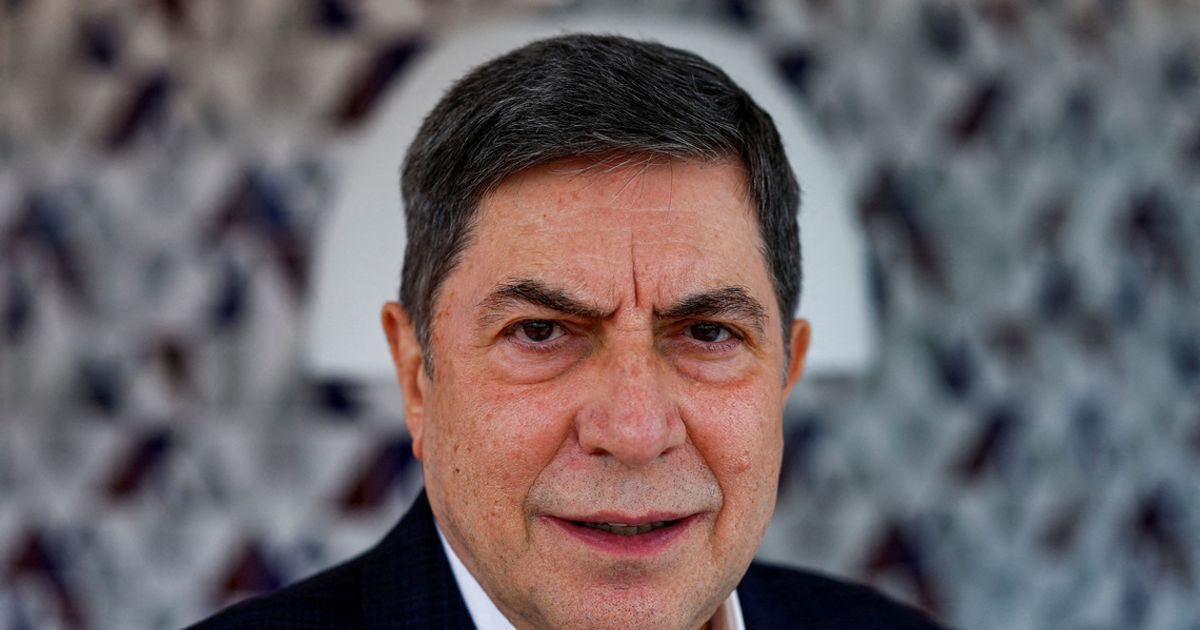
BRASILIA, Nov 27 - After Brazilian markets tumbled following the re-election of President Luiz Inacio Lula da Silva, the mere prospect that veteran banker Luiz Carlos Trabuco could become finance minister helped reverse part of the selloff this week.Lula removed any doubt late on Thursday, naming the 75-year-old chairman of Bradesco to take charge of economic policy from January in what is widely seen as one of the most consequential appointments of his fourth term.Chairman of Brazil's second-largest private lender and fourth-largest bank by assets, Trabuco joined Bradesco as a clerk at age 17 and spent more than four decades rising to become chief executive in 2009, a position he held until 2018.His tenure was marked by the acquisition of HSBC's Brazilian operations in 2015, one of the largest banking deals in the country's history.LONG-TIME LULA CONFIDANT AND ALLYA philosophy graduate from the University of Sao Paulo with a postgraduate degree in socio-psychology, Trabuco has long maintained close ties with Lula and is widely regarded as one of the president's most trusted interlocutors in the financial sector."He's highly competent, discreet and doesn't need this for his resume," said a businessman who worked closely with Trabuco and requested anonymity. "If he accepted, it is because he obtained assurances he would have room to pursue his economic agenda."That belief appeared to resonate with investors.Even before the official announcement, Brazil's benchmark stock index jumped about 6% on Thursday, while the Brazilian real strengthened more than 1% against the dollar as markets bet Trabuco could bring greater fiscal discipline to an administration often viewed as reluctant to curb spending.Lula's choice is particularly striking given years of tension between his government and financial markets.Since his surprise election victory on October 25, Lula has pledged fiscal responsibility but repeatedly dismissed market criticism, saying financiers would not dictate how he governs Brazil.Yet as concerns over Brazil's public finances intensified, the leftist incumbent ultimately turned to one of its most influential bankers.Under Lula's current administration, gross public debt has climbed more than 11 percentage points to 82.9% of GDP, while investors have demanded increasingly high risk premiums amid rapid growth in mandatory spending and persistent doubts about the government's willingness to tackle structural budget pressures.PRO-EXPANSIONSince joining Lula's advisory council in 2023, Trabuco has emerged as a prominent advocate for growth-oriented policies.At the group's inaugural meeting, he argued that Brazil's social challenges could only be overcome through stronger economic expansion and blasted the then-13.75% benchmark interest rate, the same level as today."Capital costs are extremely high, to the point of being prohibitive for industry, commerce, agribusiness and consumers," he said. "We are at an inflection point."We cannot be prisoners of dogmas ... The priority is growth and social inclusion."In 2014, the president, then acting as a key adviser to President Dilma Rousseff, backed Trabuco for the finance ministry amid growing concern about the government's fiscal trajectory.Trabuco declined the job but helped steer Rousseff toward Joaquim Levy, then an executive at Bradesco Asset Management.The episode may offer a preview of the political constraints awaiting him now. Levy's fiscal adjustment agenda faced fierce resistance from Rousseff's and Lula's Workers' Party and he lasted less than a year in office.Signs of similar resistance have already emerged. Even before Lula's office announced his pick on Thursday, lower-house Workers' Party leader Pedro Uczai publicly questioned the prospect of Trabuco's appointment."For me, personally, it may not be the best option," Uczai told reporters.One senior government official noted that even former Finance Minister Fernando Haddad and his successor Dario Durigan, both viewed as aligned with the administration's progressive wing, encountered pushback from within government when advocating measures aimed at improving Brazil's fiscal outlook.The challenge for Trabuco will be one that has defeated more than one Brazilian finance minister: reassuring investors about the trajectory of public debt while persuading Lula's allies that fiscal discipline is compatible with the government's social and economic goals. REUTERS
Who is Luiz Carlos Trabuco, the banker Lula tapped to steer Brazil's economy?
Full Article
Original Source
Read the full article at Straitstimes →KhanList aggregates and links to publicly available news content. We do not host full articles from third-party sources. Always verify important information with original sources.