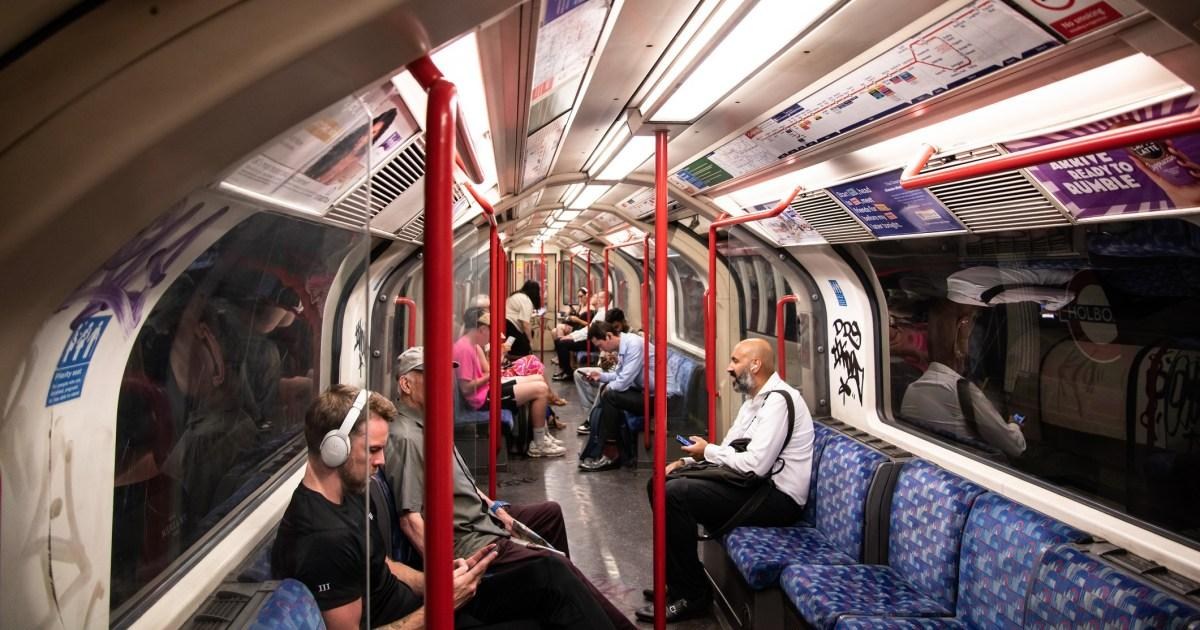
The millions of London Underground users have been warned that they are unknowingly being exposed to toxic dust (Picture: Getty Images) ‘Everyone who gets on those trains needs to know about it. People are being put in danger down there.’ A former London Underground worker has warned passengers about the risks of toxic dust after raising concerns about inadequate protection against hazardous waste. Micky Steeds began working for the London Underground in 2018 as a skilled vents worker, cleaning years’ worth of dust from confined channels underneath the platforms. Between 2020 and 2023, he made numerous protected disclosures about the endangerment to health and safety in some of the capital’s busiest stations, such as risky working practices, not being fitted with a proper protective face mask, and illegal dumping of waste. Before he was sacked in August 2023 after being signed off with anxiety, Steeds was told by London Underground to return to work in what he deemed unsafe conditions or face dismissal. A tribunal later found in his favour, ruling that this was an ‘unfair and unjustifiable ultimatum’. Steeds said he felt ‘vindicated’ upon winning his claim, admitting it had been an ‘incredibly gruelling and exhausting’ process, stating: ‘No worker with concerns should ever have to choose between protecting the public interest and their own livelihood.’ A whistleblower found that he was vacuuming up dust that could contain harmful levels of asbestos (Picture: Getty Images) During his time in the role, Steeds discovered the dust he was encountering could contain harmful levels of asbestos and other substances, like chromium, arsenic, silicates, and iron oxide, thus exposing him and his colleagues to severe health risks. He often finished work covered in thick layers of dirt and dust, sometimes even struggling to see, also saying he spent ‘nearly two years’ cleaning asbestos-covered wiring before being given a course on ‘how not to disturb it’. Now, he wants the millions of Underground users to know the potential risks, too. The whistleblower and former professional boxer from Aveley, Essex, has told The Guardian that his employer was not just ‘ignoring’ his complaints but actually insisting he was wrong and that ‘everything [was] fine’. Urging London Underground to stop claiming that dangerous material is safe, he said: ‘They’ve got to get rid of the asbestos somehow. It’s in the caulking, the cables, the fire doors.’ On how the public is being unknowingly impacted, he said he witnessed bags of hazardous dust being ‘dumped on the tracks’ so workers wouldn’t have to carry them. Latest London news ‘I just want to make people aware of what they are breathing in’ (Picture: Getty Images) ‘I saw it happening. And when the train goes by – boof – everyone is breathing that s**t in.’ He added: ‘I just want to make people aware of what they are breathing in. ‘It’s not just dust; it’s hazardous waste, and they don’t know that. I personally don’t travel on the Tube. I’d rather get a bus.’ As well as allegedly noticing the dumping of waste, Steeds was alarmed when he learnt the waste he was vacuuming up was not being correctly disposed of, telling his manager it was being ‘put in a mixed commercial general skip’ instead of being ‘double-bagged and disposed of as special waste’. Why is asbestos dangerous? All forms of asbestos have been classified as carcinogenic to humans. Until proven safe, all asbestos should be treated as dangerous. While the risk from it is low if the asbestos is left alone and in good condition, once disturbed, the fibres can be released and remain airborne for days. If breathed in, being so small means the fibres can travel deep into the lungs, potentially causing lung disease and cancer, plus asbestosis (a scarring of the lung tissue), which may prove fatal. Even one-time exposure can lead to mesothelioma cancer, a rare type of cancer that can develop in the lining of the body’s organs. Symptoms of asbestosis As explained by the NHS, it can take 20 to 30 years after being exposed to asbestos before symptoms appear. Sometimes, there will be no symptoms at all. Symptoms of asbestosis can include: shortness of breath persistent cough wheezing extreme tiredness (fatigue) pain in your chest or shoulder clubbed (swollen) fingertips in more advanced cases Your GP will listen to your lungs and ask about your employment history should you believe you may have asbestosis. They may refer you for further tests with lung disease specialists. Asbestosis is incurable, and the damage done to the lungs cannot be reversed. However, some treatment options include pulmonary rehabilitation, oxygen therapy, or inhaler use. ‘We’re f***ing cowboys here,’ the tribunal heard that he told his boss in March 2023. ‘We’re dumping hazardous waste in general waste bags.’ In May this year, Steeds’ complaint, along with several others, was found to be ‘genuine and reasonable’ by the panel, amounting to protected disclosures under the Employment Rights Act 1996. Despite London Underground managers shunning his concerns and claiming that cleaning practices did not disturb the asbestos, Steeds was backed by the tribunal, which found ‘all sites had asbestos reports, and it was clearly present and potentially disturbed by dry cleaning’. ‘The failure to dispose of hazardous waste appropriately may give rise to criminal and civil liability,’ the panel added, noting that ‘other workers and the public generally’ could be exposed to ‘hazardous waste’. Asbestos exposure can cause irreversible lung damage (Picture: Shutterstock/Wirestock Creators) Additionally, it was ruled that managers failed to treat Steeds’ complaints as whistleblowing, with his legal team declaring the outcome a ‘good lesson’ for all employers. Michael Ballantyne, Steeds’ solicitor, said at the time: ‘This case is a reminder of the stigma whistleblowers still face. ‘Mr Steeds was viewed as a troublemaker from the start and expected to fall in line. When he stood his ground, London Underground closed ranks, and Mr Steeds was given an ultimatum – either retract his disclosures or be fired. ‘I’m glad to see the tribunal agreed this was unreasonable and unjustified. This is an important win for whistleblowers and a good lesson for employers.’ Still, London Underground has vowed to appeal the ruling, with a spokesperson saying: ‘We have strict controls in place, in line with the government’s control of asbestos regulations, which ensure customers and staff are not at risk from exposure to asbestos when travelling or working on the Tube network. ‘Our specialist teams monitor and manage locations where asbestos has been found to ensure the safety of everyone travelling or working on the network.’ Get in touch with our news team by emailing us at webnews@metro.co.uk. For more stories like this, check our news page. Arrow MORE: What I Own: I got a £12,000 bonus to buy my one-bed Brentford flat Arrow MORE: Waymo car involved in crash with two vehicles in London Arrow MORE: Man banished from every corner of Croydon News Updates Stay on top of the headlines with daily email updates.
Whistleblower warns London Underground users they are ‘breathing in toxic waste’
Full Article
📰 Original Source
Read full article at Metro →KhanList aggregates and links to publicly available news content. We do not host full articles from third-party sources. Always verify important information with original sources.