
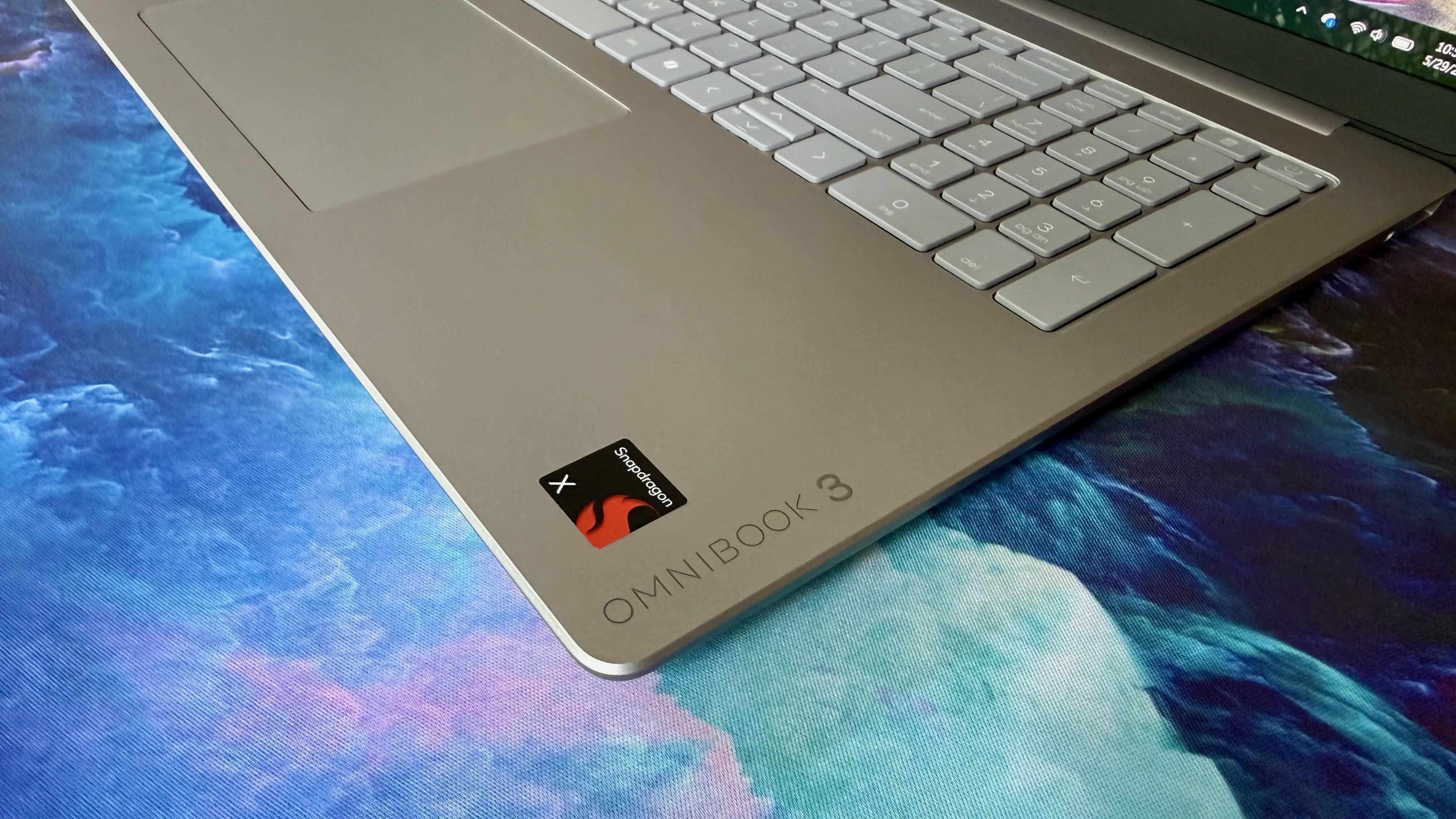
I can almost guarantee that your next laptop will run longer on battery power than whatever you’re currently using. We’ve seen a huge leap in laptop battery life in recent years, to the point where getting 20 or more hours on a single charge isn’t uncommon. This year alone, the average battery life of the laptops we’ve tested at CNET has increased by more than five hours. And it’s nearly doubled since the start of the decade. With many of today’s laptops, you can leave the charger at home for days at a time. The longest-lasting laptop I tested this year lasted more than 34 hours! This increase in battery life is one of the biggest stories in laptops this year. In the laptop episode of our video series Holiday Office Hours From the Labs, I explain what’s behind this surge in battery life and highlight some of the laptops that lasted the longest in testing. Plus, my colleagues Kyle Kucharski from ZDNET and Joe Osborne from PCMag share their own holiday laptop picks. Kyle looks at Apple’s entry-level MacBook Neo and its imitators, and Joe breaks down what to look for in a budget gaming laptop. Today’s laptops last longer Unlike raw performance, where the more you spend, the more you get, lengthy battery life can be found just as easily in a budget laptop as in an expensive, high-end powerhouse. And, in fact, less powerful components and lower screen resolutions can give cheaper laptops an edge in battery life. The biggest factor behind longer battery life in laptops is the advancement in mobile processors. They’ve become much more power efficient, and in the case of Apple’s and Qualcomm’s chips, they’re based on an architecture other than the traditional x86 instruction set that’s been at the heart of Intel processors since the dawn of the PC era. Apple’s run of battery-life winners started when it shifted from Intel processors to its own M-series chips. Apple’s M-series processors are based on the Arm architecture, a power-efficient chip architecture found in phones and tablets. Qualcomm’s Snapdragon X-series processors are also Arm-based, and they can be found in the two longest-running laptops we’ve tested: the HP OmniBook 3 16 and OmniBook 5 14. The OmniBook 3 16’s record-setting battery performance earned it a CNET Lab Award for longest battery life. Powered by a Qualcomm Snapdragon X processor, HP’s OmniBook 3 16 ran for more than 34 hours in testing to set the record for the laptop with the longest battery life.Matt Elliott/CNET Intel has made huge strides in processor efficiency with its last two generations of chips: the Core Ultra 200 series developed under the name Lunar Lake, and the Core Ultra 300 series, also known as Panther Lake. Last year, the Lenovo Yoga 9i 2-in-1 Aura Edition became the first Intel laptop to last longer than a day, running for 25 hours, 45 minutes in testing. It’s still the longest-running Intel laptop we’ve tested, but the MSI Prestige 14 Flip AI Plus with Intel’s next-gen Core Ultra X7 358H processor came close with a time of 25 hours, 18 minutes. Read more: Laptops With the Best Battery Life Whether Arm or x86, there are two more reasons behind greater processor efficiency and longer laptop battery life. For one, the size of a processor shrinks with every generation. The smaller a processor is and the more tightly packed its components are, the less power is required to flip its tinier transistors on and off. For another, today’s mobile processors feature more flexible designs with a mix of performance and efficiency cores. A processor engages its higher-performance cores only when needed, using the efficiency cores for as many general, everyday tasks as possible, so your laptop stays cool and quiet and runs longer. For more, you can read my Labs exclusive on the huge increase in laptop battery life this year and check out the video above for my holiday laptop picks and those from my colleagues.
Which Laptops Last the Longest? Check Out the Laptops I’ve Tested With the Best Battery Life
Full Article
Original Source
Read the full article at Cnet →KhanList aggregates and links to publicly available news content. We do not host full articles from third-party sources. Always verify important information with original sources.