
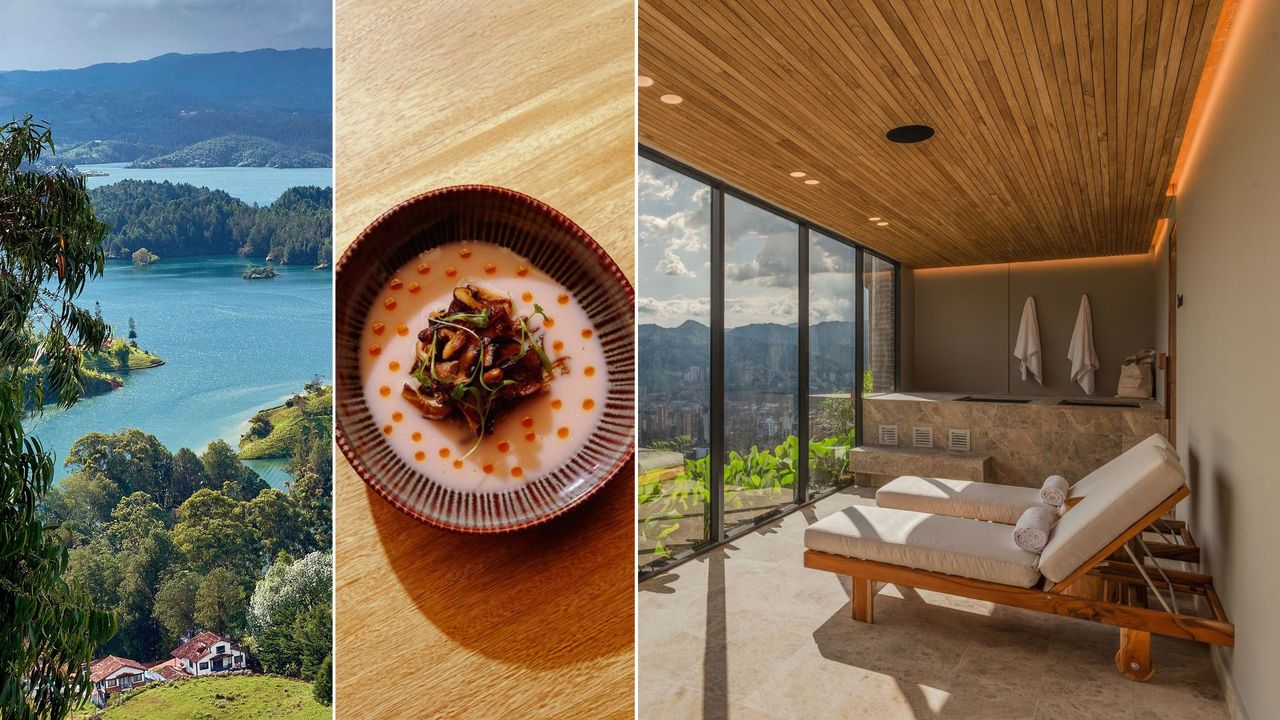
The beloved Colombian city only gets more exciting with each passing year—here's how to tap into the latest and greatestWalking the streets of Medellín, it is easy to forget you’re in Colombia’s second-largest city and not a smaller town. Strangers passing on the sidewalk greet each other with a quick “Buenas!” and nod, creating a sense of connection that feels increasingly rare in cities of this size.Being in Medellín makes you feel alive in many ways. There is a saying that “aquí todo florece” (everything flourishes here), which is obvious from the majestic yarumo trees that catch the morning light and rise above the Aburrá Valley, to the coffee plants and cacao trees that line the sidewalks. Bright neon green-tailed tanagers and excited hummingbirds dart between trees and power cable lines.And then there is the creative energy, coursing through the streets. The last decade in particular has been filled with curiosity and optimism: A new generation of chefs is reimagining traditional Colombian cuisine, boutique hotels continue to open, and designers, artists, and entrepreneurs are re-shaping this cultural landscape. With all of its forward momentum, Medellín has still managed to hold onto the qualities that residents have always loved about it.In the three years since I moved to Medellín, I’ve realized that the best way to understand the city is to slow down and appreciate these details. To help you do so, we’ve rounded up the very best of Medellín, from memorable meals and design-forward hotels to innovative coffee shops and creative neighborhoods. They will help you navigate this city and its riches, revealing in the process why so many travelers end up extending their stay.Here's our guide to the city of Medellín.In addition to being a fantastic destination in its own right, Medellín is easy to link with day trips to destinations like Guatapé, pictured above. GettyGetting thereMost travelers arrive in Medellín via the city’s José María Córdova International Airport, which is located in the neighboring city of Rionegro. Direct flights on United Airlines, JetBlue, Avianca, American Airlines, and Frontier connect Medellín with several major US cities, including New York, Miami, Fort Lauderdale, Orlando, and Houston, making it a major hub in Colombia for travelers coming from North America.Once you land, the airport is approximately 40 minutes from Medellín’s city center, depending on traffic. Official airport taxis and ride-hailing apps such as Uber are the fastest and most reliable ways to make the journey. The drive winds through the verdant mountains of eastern Antioquia before descending into the Aburrá Valley, where Medellín stretches across the valley floor and surrounding hillsides. Expect to pay between COP 120,000 and 150,000 (approximately $35-45 USD) for a one-way trip, depending on your final destination and the size of the vehicle.What to do in MedellínStart in El Centro, one of Medellín’s busiest and most vibrant neighborhoods. The city’s historic core offers a glimpse into everyday life. Begin at Plaza Minorista José María Villa, one of the oldest markets open since the 1980's. It's a paradise for fruit lovers. Colombia is home to more than 400 native fruit species thanks to its varied elevations and microclimates, and many of them can be sampled beneath the market’s sprawling roof. A guided tour with Andriego C13, led by local guides Sergio Duvan Candamil Martinez and Luz Adriana Reina, takes guests to different stalls to taste as many as 30 different fruits in a span of just two hours. Some of my personal suggestions include cracking open a granadilla for its sweet, seed-filled pulp, spooning out the tangy flesh of a maracuyá (passionfruit), biting into zesty uchuva (gooseberries), and ending with a glass of earthy borojó juice from Colombia’s Pacific Coast. Throughout the tour, Candamil draws on his memories growing up in the market, first watching his father and then working there in his youth as a carretillero, a cargo porter who steers upright wooden carts with produce through its narrow aisles.A 5-minute drive away, El Perpetuo Socorro, in Medellín’s centre, is one of the city’s most exciting districts. Former warehouses and auto repair shops have given way to galleries, cafés, workshops, and cultural spaces in recent years. Stop by Galería José Amar for contemporary Latin American art before heading to Centro Cultural Bodega/Comfama where seasonal exhibitions and artisan markets bring the neighborhood to life. End your visit at Estación Central, a Hi-Fi bar serving local craft beer and live music most evenings.Staying active comes naturally in Medellín. Every Sunday and public holiday, major roads across the city are closed to vehicles from 7 a.m. until 1 p.m. as part of Ciclovía, a city-wide initiative that allows runners, walkers, bikers, and rollerbladers to take over the streets. One of the liveliest stretches follows a six-mile path along Avenida Poblado, where street vendors sell hand-pressed orange juice and sliced tropical fruit while live musicians entertain in between. Along the route, stop at the farmers market by the Parque Lineal La Presidenta for some chilled guarapo, made from pressed sugarcane and lime, and warm arepa de chócolo with quesito. Farmers from nearby towns bring in produce and flowers each week, much of it selling out by mid-morning.Aerial view of Palacio de la Cultura and Plaza Botero, Medellin, Colombia GettyAnother way to get active is by playing padel, a racquet sport that combines elements of tennis and squash. There has been growing interest in the sport, with over 40 courts in the greater metropolitan area. Two of my favorite clubs to play at are City Padel in the Los Balsos neighborhood and Puro Padel in the neighboring city of Envigado. Both clubs sit on hills surrounded by pine trees, offering a cool escape from the city and a novel way to immerse yourself in something that has become a fixture of 2026 Medellín. Rackets are available for rent, and lessons can be arranged easily.For contemporary art, begin at the Museo de Arte Moderno de Medellín (MAMM), housed in a former steel factory in the city’s Ciudad del Río district. As the name suggests, the museum showcases a rotating series of contemporary and Latin American artists. On the last Friday of every month, MAMM stays open late for visitors to explore before settling in for a free outdoor film screening at the plaza in front of the museum. In El Centro, the Museo de Antioquia houses one of the world’s largest collections of works by Medellín-born artist Fernando Botero, known for his sculptures boasting his signature exaggerated roundness. Afterward, wander through Plaza Botero right in front, where more than 20 of his sculptures are displayed. To gain a better understanding of the nuances behind Medellín’s layered past, visit Museo Casa de la Memoria. Through written accounts, photographs, and archival footage, the exhibit vividly captures the toll of Colombia’s armed conflict, providing essential context on the city (and the country) and its past.Something lesser-known about Medellín's past is that it has a strong connection to tango. The death of legendary Argentine singer Carlos Gardel in a plane crash in Medellín in 1935 deepened the city’s already strong connection to the dance form and turned Medellín into one of tango’s most passionate homes outside Argentina. Today, historic bars like Salón Malaga continue this legacy, inviting visitors to listen to vinyl records with music from the Argentinian and Colombian Andes earlier in the day. Later, live performances keep the bustling bar open till 2 a.m. A 10-minute drive away is Casa Cultural del Tango Homero Manzi, a cultural center and tango bar named after Homero Manzi, an iconic Argentine composer. Lined with portraits of tango legends on the wall, the space feels beautifully preserved.Where to shop in MedellínMedellín’s design scene is well worth carving out time for. At Ballen, designers Ricardo Ballen and Carina Ospina create handcrafted bags using materials sourced from Colombia’s and the region’s biodiverse landscapes. This includes tagua (also known as vegetable ivory), commonly found on the Pacific coast of Colombia and Ecuador; bombona, perfectly round-shaped seeds commonly found in Huila and Chocó, in south-central and western Colombia; and açai seeds. Visitors to their new gallery at Wake Medellin can participate in workshops to create their own pieces. Complement your visit with a trip to their newly opened workshop in El Centro. Located at the historic Edificio Gutenberg, it lets visitors observe artisans at work and learn about the materials they work with more intimately.Wake Medellin is also home to numerous other designers and concept stores worth stopping by. One of which is Makeno, a woman-owned concept store carrying over 100 Colombian brands ranging from clothing and jewelry to accessories and home decor. Founded by Manuela Rubio and Paola Betancur in 2011, the brands they carry showcase the breadth of Colombian design. For instance, Tejidos Rebanca, one of the lines they carry, draws on traditional weaving techniques from Boyacá in Colombia’s Eastern Andes mountain range, weaving handspun wool on horizontal looms to create ruanas or ponchos. While you’re still at Wake Medellin, stop by Baobab, a Colombian resortwear brand that just opened its first outpost in the city. Known for vibrant, timeless asymmetrical cuts, their swimwear is made with eco-materials like ECONYL, a regenerated nylon made from waste products like abandoned fishnets and fabric scraps.Steps away from Wake Medellin, still in the neighborhood of Provenza, Sixxta, a Bucaramanga-born label with boutiques in Barcelona and Panamá, is known for its whimsical silhouettes and bold design. In Astorga, at the other end of El Poblado, Ocho43 showcases a carefully curated collection of Colombian fashion and homeware from some of the country’s most exciting brands like Tutantú. Medellín is also home to influential streetwear brands inspired by the city’s reggaeton culture. Browse the collections of relaxed graphic tees and baggy denim with a vintage vibe at True for comfortable wardrobe staples. Then, stop by Mattelsa, for accessible streetwear basics at one of their thoughtfully designed outposts. The brand was built through word-of-mouth and no traditional advertising, adding to its appeal as a homegrown streetwear label.Zombra, helmed by chef Pablo Naranjo Agular, is one of the city’s most inventive restaurants. Courtesy Zombra / @zombra.mdeThe tasting menu at Zombra changes regularly based on what is seasonally available. Courtesy Zombra / @zombra.mdeWhere to eatMedellín’s food scene begins with some of the region’s classics. The signature bandeja paisa (a hearty platter of beans, rice, chicharrón, avocado, chorizo, and fried plantains) is best enjoyed at long-standing institutions like Hatoviejo, El Rancherito, Sancho Paisa, Asados Doña Rosa, and La Hacienda. While you’re there, order some other regional favorites like a steaming bowl of sancocho, a slow-simmered soup with meat, plantain, potato, and yuca; cazuela paisa, a rich bean soup layered with many of the same flavors as bandeja paisa. Finish off with mazamorra, a comforting dessert of cooked white corn served with milk and panela (cane sugar). For plant-based options, Vegan & Veggie reimagines many of these classic dishes without sacrificing their traditional flavors.The city is hardly caught in the past, though. Across Medellín, chefs are drawing fresh inspiration from the country’s abundance of produce, and plating these flavors in always-new ways. Zombra, helmed by chef Pablo Naranjo Agular, is one of the city’s most inventive restaurants. Their signature tasting menu changes regularly according to what is seasonally available and adapts to each guest’s dietary preferences. Working exclusively with locally sourced ingredients and a zero-waste philosophy, Naranjo finds a purpose for every part of each ingredient, including eggshells, which are ground and spread across the plants in front of the space. Expect to try dishes like a tomato tartare that encourages you to notice the fruit’s sweetness and texture in an entirely new way, or delicately cooked white fish with palak paneer that interprets Colombian ingredients through a global lens, an ode to the almost 15 years Agular spent in France and India.Located in a whitewashed home, Marzzano serves some of Medellín’s best Italian cooking. The menu features handmade pasta alongside mains like trout finished with nutty brown butter and tomato pesto. Before you leave, stop by their adjoining bakery, Masas Libres, for a still-warm loaf of sourdough or buttery brioche.For a leisurely afternoon, I love leaving Medellín behind to visit Volver, Siempre, Volver higher up the mountains in neighboring Envigado. The barn-inspired dining space beneath vines of granadilla and cascading bougainvilleas is a respite from the city. Surrounded by its own garden, the restaurant builds much of its menu upon a base of herbs and vegetables, like kale and carrots harvested mere steps from the open-concept kitchen. It’s the kind of place where lunch easily stretches into the late afternoon. End your meal by wandering through the onsite shop, which features Colombian-made ceramics, clothing, flowers, artisanal breads, and pantry staples from local producers.The best evenings in Medellín are never rushed, and Susurro captures that beautifully. Through its open façade, the crowds spill out of the softly lit interiors onto the sidewalk, chatting over cocktails and conversation, with the nostalgic feel of a neighborhood corner bar. Order the Loto to drink, made with a bright blend of gin, sake, Andean tea, and dry vermouth, followed by a few plates to share.Read our full guide to the best restaurants in Medellín here.At Clus Clus, the coffee beans come from a rotating collection of young farmers across Colombia. Courtesy Clus Clus / @clusclus.cafeteriaPair your hot driop or orange juice-spiked cold brew with one of Clus Clus's pastries. Courtesy Clus Clus / @clusclus.cafeteriaThe best cafesAlthough Colombia is one of the world’s largest coffee producers, much of its highest-quality coffee has been exported for decades. A number of specialty cafés and roasters are changing that narrative, encouraging visitors to experience coffee sourced from across the country within the country. Pergamino helped lead the movement and remains one of the city’s most reliable stops. With several locations, including an outpost at the recently opened Wake BioHotel, the café serves a variety of drinks from meticulously brewed V60s to creamy milkshakes.Further along Avenida Poblado, Clus Clus pairs its chocolatey-brown interiors with a thoughtful approach to coffee. The café rotates beans from young farmers across Colombia, allowing guests to experience the country’s diverse growing regions through different filter coffees. Its signature cold brew infused with freshly squeezed orange juice is a hot-day favorite.For those curious about what happens after harvest, stop by 11:11 in El Poblado’s Manila district. The café occupies a traditional house where they roast their own coffee on-site and partner with small independent producers, making it a welcoming neighborhood coffee shop.A growing number of innovative specialty coffee roasters don't have a storefront. La Tienda del Cafe, a coffee concept store with locations at Centro Comercial Oviedo and El Tesoro Parque Comercial in El Poblado, offers a window into the range of coffees produced across Colombia. Browse shelves stocked with bags from different regions, including microlots and competition-level coffees. If you’re unsure of where to start, let the knowledgeable baristas provide suggestions, depending on whether you prefer herbal or fruit-forward notes.In Laureles, Rituales offers a taste of Medellín itself. The café sources coffee solely from La Sierra, a hillside neighborhood less than eight miles away. Once associated with the city’s armed conflict, La Sierra has built a new reputation through its specialty coffee, with 30 local producers who work directly with Rituales. The café’s carefully prepared filter coffees reveal the remarkable range that can emerge from a single-origin coffee, with different fermentation methods coaxing bright citrus and floral notes to deep caramel and chocolate notes.As you walk through the city, don’t miss the chance to stop by a local panaderia for a delectable selection of warm Colombian bread. These casual spaces will draw you in with the aroma of baked cheese, usually with a barrel of buñuelos (perfectly round, crisp cheese balls) frying at the entrance. Stop in to get one of those, along with a pandebono (chewy bread made from cornstarch, fermented cassava, and fresh cheese) and an almojábana (moist pastry made with corn flour and cuajada, a rich curd farmer’s cheese), and pair it with a hot tinto, a cup of black drip coffee.Wake BioHotel is one of Medellín's newest properties Wake BioHotel MedellínThe saltwater pool is just one of Wake BioHotel's plush amenities. Daniel Velez / Wake BioHotel MedellínWhere to stayReflecting the city’s year-round spring climate, architects in Medellín have embraced biophilic design—and the newest hotels blur the line between indoors and out. Lobbies, courtyards, guest rooms, and external façades are filled with flowering vines and built with natural materials that make the surrounding valley feel ever-present. Most visitors base themselves in El Poblado or Laureles-Estadio, both appealing for their lively streets lined with great coffee shops and restaurants.Hotels in El PobladoThe district of El Poblado covers about nine square miles, stretching from the flat valley floor by the Medellín River at about 4,900 feet above sea level to the eastern mountainside of the Aburrá Valley at about 6,500 feet. It is made up of 24 neighborhoods, including El Tesoro and San Lucas higher up, with Provenza, Astorga, Manila, and Patio Bonito below. While navigating around the city using ride-hailing apps is easy, this distinction is important when choosing to stay, and depends on the kind of trip you’re looking for.For travelers looking for a retreat, Wake BioHotel in El Tesoro is the answer. Perched on a hill, expansive concrete interiors are softened by floor-to-ceiling windows, with leafy plants pressed up against them. Silo, the on-site restaurant, prides itself on using anti-inflammatory ingredients. There’s also a 24-hour gym, saltwater pool, infrared sauna, and cold plunges. The property is within walking distance of El Tesoro Parque Comercial and Amsterdam Plaza, which offer a host of dining options including 123 Wok, an Asian-Latin fusion restaurant, as well as Crepes & Waffles, a beloved Colombian chain.Steps from El Poblado’s lively restaurant and nightlife scene and bordering the neighborhood of Provenza, Wake Medellín, Wake BioHotel’s newly opened sister property, brings the same wellness-first philosophy to the city’s core. The property’s brutalist and industrial exterior is matched with Japandi influences in its common spaces. Some of the amenities include a yoga room with classes available to guests throughout the week (except Sundays), a 24-hour gym, and a spa equipped with a sauna, cold plunge, and hydrothermal circuit. Opened in June 2026, the 128-room property is also home to a crop of ambitious new restaurants and bakeries. Among them is Boro, where Jaime David Rodríguez, the chef behind Cartagena’s highly acclaimed Celele, traces Colombia’s ecosystems through their menu. Guests are transported across the country through rainforest-inspired ingredients and Pacific-sourced seafood.Another of Provenza’s stylish stays, 23 Hotel, draws inspiration from the tropics, using warm lighting and earthy textures to create a restorative ambience. The retro-modern architecture emphasized by circular bull’s-eye windows in each room makes it a unique stay in the city. After days out and about, make sure to catch sunset from the rooftop.If you’re planning on sticking around for more than a couple of nights, Somos offers some of Medellín’s most design-forward apartment rentals. The group’s newest property, Somos LoHo, in the quieter neighborhood of San Lucas, features 18 two-bedroom apartments and a rooftop pool overlooking the city. On the ground floor of the property is Treat, a wellness-minded casual dining spot with gluten-free options. Don’t forget to try their hibiscus lemonade and their bowl acevichado, a mix of roasted salmon ceviche, avocado, peppers, marinated in coconut cream and served with rice and plantain.Hotels in Laureles-EstadioUnlike El Poblado, Laureles-Estadio is a relatively flat district made up of 15 neighborhoods. Hotels and short-term rental options are available throughout, with Laureles, Estadio, and Conquistadores being the most popular neighborhoods.Eutopiq offers an excellent base. The 29-room boutique hotel reflects the neighborhood’s slower pace and residential charm. After exploring the many cafés and tree-lined streets nearby, guests can return for wellness experiences, including sound healing and Reiki.Located in a walkable area near Segunda Parque Laureles, Somos Flats Laureles is Somos LoHo’s sister property. With rooms ranging from studios to 1- and 2-bedroom apartments, the property is sleek and minimalistic. With a remote check-in system, the property is ideal for travelers looking for an undisturbed and design-forward stay.In the quiet residential neighborhood of Los Conquistadores, BeMinimal Parques has apartment-style lofts with full kitchens, making it a great option for longer stays. The property’s airy coffee shop on the ground floor, Rivertown Café, serves specialty coffee and pastries baked fresh daily. Its sister property, BeMinimal Jardines, sits on a lively stretch along Avenida Jardin. Offering a range of rooms, including duplex lofts, it is closer to Laureles’ lively dining scene and cafés like Rituales.
Where to Eat, Stay, and Play in Medellín, Colombia's Eternally Cool City
Full Article
Original Source
Read the full article at Cntraveler →KhanList aggregates and links to publicly available news content. We do not host full articles from third-party sources. Always verify important information with original sources.