
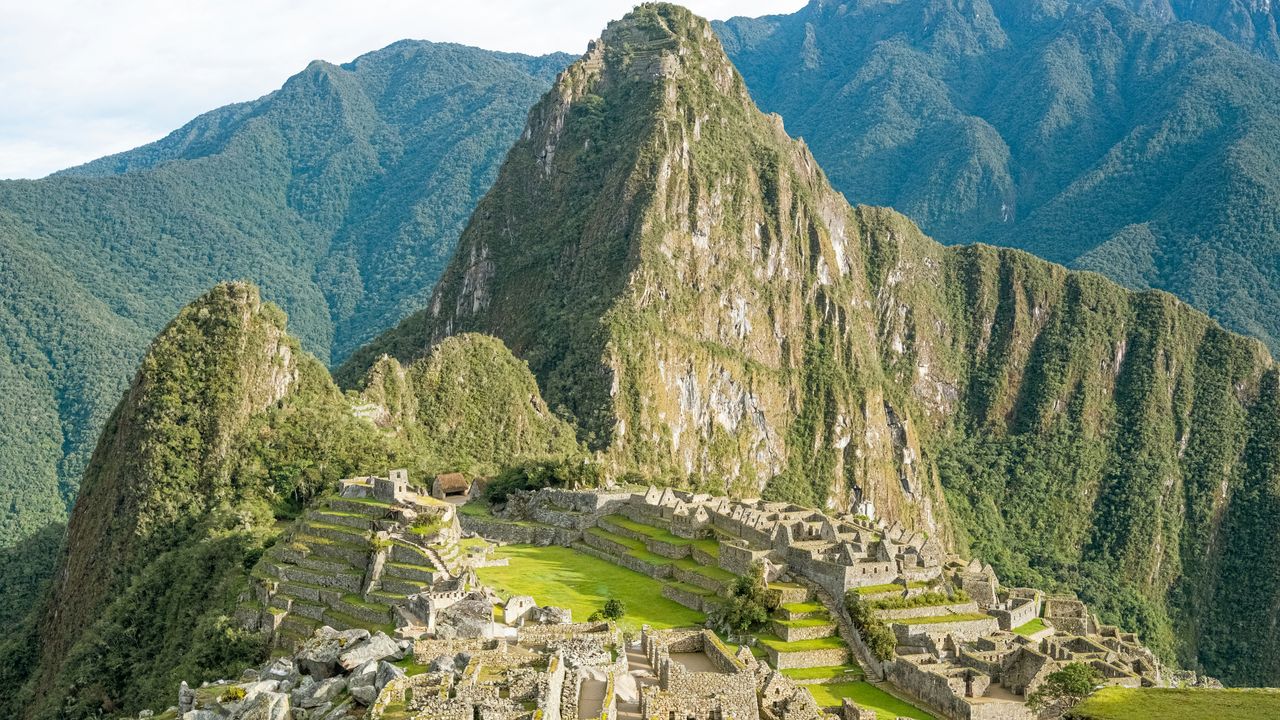
You may already have a clear picture of a trip to Machu Picchu long before you have a date to go in mind. On a first visit, you want time to take in the massive scale of the Inca city on its forested ridge above the Urubamba River, and then to walk among its stone walls. That picture, of course, depends on the weather. Here, where the Andes fall away toward the Amazon basin, a single bank of cloud can hide Waynapicchu, the peak behind the ruins, and with it the panorama you came to see.The drier months improve the odds of a clear view, but draw more visitors with similar dreams to the same routes and entry hours. The weeks just after the rains offer greener slopes—and often thinner crowds—to anyone prepared to pack for showers. The best time to visit Machu Picchu comes down to matching the conditions to the type of visit you want, as well as confirming that your route is available before you commit to booking trains and rooms. Below are the questions that first-time visitors ask most, with advice from travel advisors and experts.For colorful design hotels, inventive dining scenes, and an otherworldly canyon in the Andes.Jump to:When is the best time to visit Machu Picchu?When is the cheapest time to visit Machu Picchu?When is peak season in Machu Picchu?How many days do I need to spend in Machu Picchu as a first-timer?When visiting Machu Picchu for the first time, where should I go?Ticketing and timing essentialsHow to get thereWhere should I stay near Machu Picchu?When is the best time to visit Machu Picchu?For a first visit, May and September—before and after the June-to-August rush, respectively—will have generally favorable walking weather, before the rains creep back in October. The two months aren’t interchangeable, especially if you hope to walk to the Sun Gate or the Inca Bridge. The 2026 route calendar opened those seasonal paths in September but not in May, so check the 2027 dates as soon as they’re published.April brings greener slopes to anyone who can live with a little more water. “It’s also shoulder season so there aren’t many tourists yet,” says Alice Farkas, who leads marketing and communications at Aracari, a company based in Lima that plans private trips across South America. Kiernan Cochran, product manager at Andean, which plans trips throughout Peru, also favors April into early May. Even so, Cochran’s team books those weeks for travelers with much the same lead time as high season, since popular routes fill early.When it comes to visiting Machu Picchu, daily timing might matter even more than which time of year you visit. GettyWhen is the cheapest time to visit Machu Picchu?November through March offers significant savings on airfare and accommodations, though strategic planning remains essential. Permits for popular routes like Huayna Picchu still require three-month advance booking during these months (compared to six months of required lead time during peak season).Mosquera makes a case for embracing the rainy season: "It's actually my favorite time. The site becomes magical with fewer crowds given that overtourism is one of Machu Picchu's greatest threats. The rain isn't nearly as disruptive as people imagine, as it mainly falls in the evenings, not all day. February is particularly special because the Inca Trail closes for maintenance, making the site even quieter." (Note: If you plan to arrive by trek, options will be more limited during these moments.)The wet season transforms the landscape dramatically. Stone terraces flush vibrant green, hidden waterfalls emerge, and morning mist creates atmospheric reveals of the citadel. The timing also aligns perfectly with Peru's coastal summer. "More travelers are discovering this split-season strategy," says Mosquera. "You can explore misty ruins early in the trip, then travel down to Lima's world-class restaurants or Máncora's beaches where summer's in full swing." Temperatures at Machu Picchu remain moderate year-round, with rain typically following predictable afternoon patterns rather than all-day downpours.When is peak season in Machu Picchu?The dry months from June through August draw the main crush of tourists, when the most desirable entry hours can sell out along with hotels and trains. Inti Raymi, the Inca Festival of the Sun, culminates in Cusco on June 24, and Peru’s Independence Day on July 28 brings another surge. In 2026, the daily cap was 4,500 visitors on ordinary dates and 5,600 on specified days, including June 19 through November 2, though that calendar doesn’t automatically carry over to 2027. Those places are also divided by route and hour, so your preferred route and entry time may be full even when the site has space overall.Once each year’s tickets are released, Andean suggests booking sought-after routes about six months ahead in high season and at least three months ahead in low season.How many days should a first-timer spend in the region?Allow four or five nights in the region, as Cochran recommends, and begin in the Sacred Valley if your itinerary allows. Its Inca towns and terraces also mean the citadel isn’t your first encounter with the culture that built it. Cusco, where flights land for now, sits at roughly 11,150 feet. Heading straight down to the valley gives you a gentler start, and you can return to explore the city afterward. Cusco’s long-delayed replacement airport, Chinchero International, is under construction on the plateau above the Sacred Valley at about 12,340 feet, higher than the city itself. Its opening is targeted for late 2027, so most 2027 trips will still begin at the old one.Sometimes, skipping a bucket-list destination makes it possible to find the riches lying in its shadow.Ollantaytambo, at about 9,160 feet, is halfway between Cusco and Machu Picchu, and where travelers board the train to the latter. The town of ‘Ollanta’ has Inca-era streets and archaeological sites to explore, and is well worth a stop either going to or coming from Machu Picchu (the lovely El Albergue hotel sits just beside the train station).From there, travelers catch the train to Aguas Calientes, also known as Machu Picchu Pueblo, which is the small town at the base of the ancient citadel. Spend the night prior to your Machu Picchu visit in Aguas Calientes for an early start up the mountain. Some allow just one day at Machu Picchu; others who want to appreciate the landmark from a few perspectives should budget two. You may, for instance, want to experience an upper terrace or a mountain climb alongside Classic Circuit 2, which is the standard walk through the Inca city (more on these routes below). If so, book that second route for another day. Either way, you can usually spend a full day at Machu Picchu and still catch a late afternoon/early evening train out, or bed down for another night in Aguas Calientes and depart the next morning.Which Machu Picchu route should I book?Before buying anything sold simply as “Machu Picchu admission,” take a look at the official route maps, since the three circuits divide the site by elevation and access. For a single visit, Andean favors Classic Circuit 2. Its routes 2-A and 2-B each pair a viewpoint with a walk among the Inca buildings of the urban sector. Route 2-B takes its view from the lower terrace, a distinction worth knowing if you have a particular camera angle in mind.There are historical sites aplenty—but cool new cafés, boutiques, and modern Andean dining, too.For the upper-terrace panorama, choose Circuit 1’s route 1-B, which keeps you above the main streets, while route 1-A adds the climb up Machu Picchu Mountain which offers the classic view down onto the site. The Sun Gate and Inca Bridge carry seasonal tickets of their own. Circuit 3 covers the lower royal sector, including the Temple of the Sun. Its route 3-A adds the steep ascent of Waynapicchu (often spelled Huayna Picchu), which is the distinctive peak in the background of most Machu Picchu photos, and 3-B stays below. If Circuit 2 sells out, Andean suggests booking Circuits 1 and 3 separately to combine the panorama with a closer look at the ruins. Choose wisely before you arrive, since a ticket cannot be switched to another route at the gate.Hikers face their own paperwork. Permits for the classic Inca Trail are limited and booked through authorized operators, and the shorter one-day trail from kilometer 104 of the rail line needs a permit and an operator, too. That day hike is Cochran’s own favorite—the final leg of the historic Inca route to the Sun Gate, without the multiday inn-to-inn or camping journey required. Ask what your hike covers before buying a separate admission.Under the September 2026 rules, trail arrivals enter on a designated Circuit 3-B ticket, which matters if you also want Circuit 2 or the upper panorama. Heavy rain can also shut the kilometer 104 path outside the usual February maintenance period, which is something to keep in mind for any rainy season travel.How do I buy Machu Picchu tickets?Your train booking does not include admission (treks are on a case-by-case basis; ask!), so buy entry through the Ministry of Culture’s Tu Boleto portal, where you choose your route first and your entry hour second. Enter each visitor’s details carefully, matching names and information to the same identification document they’ll present at the gate. The ticket fixes the holder’s name, date, time, and route; current rules allow no changes to the name or date after purchase.Visitors to Machu Picchu must now choose between 10 different tickets for the archaeological site.The purchase process changed in September 2026, when the ministry began a 30-day trial of direct paid checkout in place of the earlier unpaid hold. Under the portal’s current purchase manual, you have 15 minutes from the start of an order to enter everyone’s details and pay. Have documents and payment ready, and follow the instructions on screen. Rail and admission are also released on separate timelines. PeruRail opened 2027 train sales on September 22, but Yuriko Aquino of PROMPERÚ, Peru’s tourism promotion agency, says the Ministry of Culture has yet to announce when 2027 admission will go on sale or what the daily visitor cap will be. If you buy rail first, read the fare’s change terms before you pay.Within the overall cap, up to 1,000 tickets a day are held for in-person sale in Machu Picchu Pueblo, valid for entry the following day. If you’re counting on that uncertain fallback, budget a night in town. Whichever way you buy, a guide is recommended for a standard citadel visit, while Inca Trail hikers follow their operator’s separate requirements. Guides can be booked through your hotel or at the entrance to the site.How do I get to Machu Picchu?From Cusco, most travelers cross the Sacred Valley by road to Ollantaytambo and board the train there for the ride along the Urubamba to Machu Picchu Pueblo. From town, a separate shuttle bus climbs to the entrance in roughly half an hour. Check boarding points and total travel time before choosing a fare, since PeruRail’s January-to-April departures from Cusco involve a bus-and-train transfer.For a first visit, Cochran favors a morning train from the Sacred Valley and an afternoon Circuit 2 entry, when her team generally finds the site less crowded; three or four hours is usually enough to take it in. Among the premium trains, she points to Belmond’s Hiram Bingham, PeruRail’s Vistadome Observatory, and IncaRail’s First Class.Whichever train you choose, leave a cushion between arrival and admission. Peru’s tourism authority advises reaching the shuttle station about an hour before your gate slot, or setting out about two hours ahead if you plan to walk uphill. A train that pulls in just before your entry time leaves little margin for the bus queue and the gate check.Where should I stay near Machu Picchu?Down in Machu Picchu Pueblo are two fantastic Peruvian-owned options—Inkaterra Machu Picchu Pueblo Hotel, with scattered adobe casitas among orchids, and Sumaq Machu Picchu Hotel, which faces the Urubamba River. Both are close to the shuttle stop. Sanctuary Lodge, a Belmond Hotel, is the only property up on the mountain at the gates of Machu Picchu, which spares you the morning shuttle ascent, though hotel guests still enter on the same timed admission as everyone else.Extending your trip? Read our full Cusco city guide.
When to Visit Machu Picchu for Clear Views and Fewer Crowds
Full Article
Original Source
Read the full article at Cntraveler →KhanList aggregates and links to publicly available news content. We do not host full articles from third-party sources. Always verify important information with original sources.