
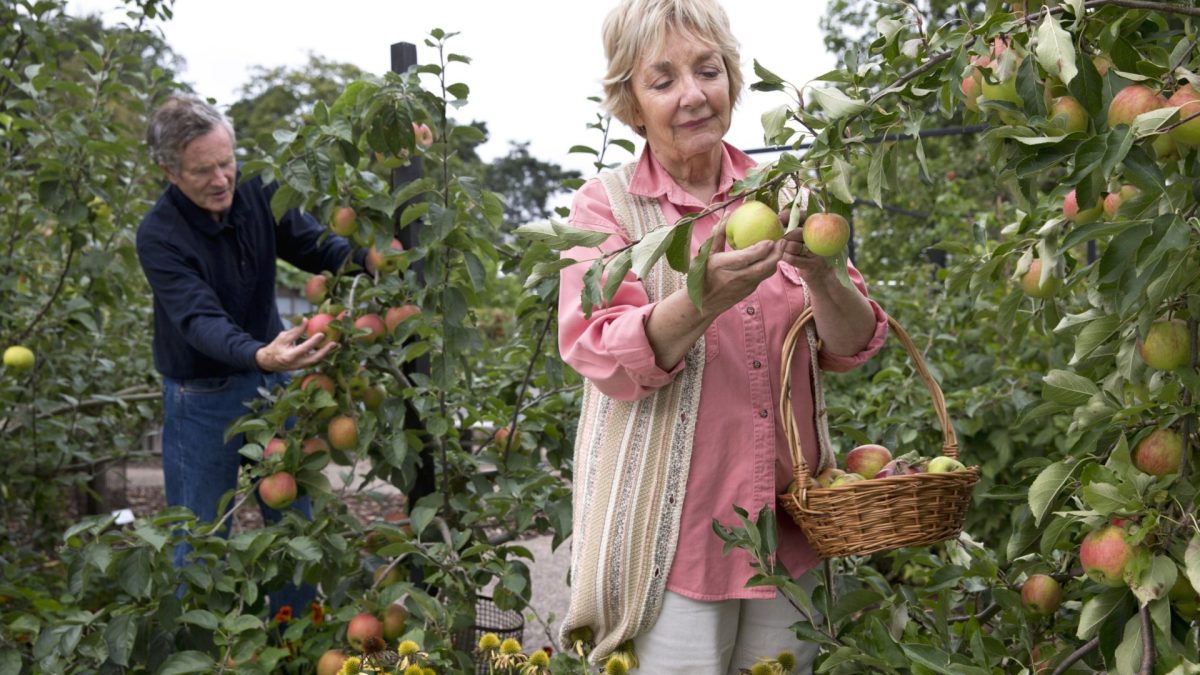
Onions from sets, as well as shallots and garlic will have matured now – gather these promptly and store in a cool, dark and dry space with plenty of ventilation. Crops from seed will be a little later, and probably somewhat lighter. This is certainly a year when an early start from sets pays off, despite sets being more expensive than seeds. Over-wintered onions – sown now or planted as sets in late October – use winter moisture to grow and ripen in June. Unfortunately, they don’t store well so only grow enough to meet summer supplies. Sets are available to order now for late October planting. Seeds of hardy salad onions can also be sown now. Potatoes are either maturing early or dying off from drought. Once the tops die down, lift and store as cool as you can. They won’t get any better in the soil – slugs might tunnel them when rains return and their dormancy is lost in prolonged periods in hot soil and they can start to sprout. Shorts Root vegetables – beetroot, carrots and parsnips – are much more drought-tolerant than other crops, especially if sown in early spring, but even these might need an occasional deep summer soak. Turnips and beetroot sown now, and thinned as soon as possible, can produce mini-roots for October and are especially water-efficient. Heat-loving vegetables – courgettes, tomatoes and sweetcorn – relish the high light and warmth if they don’t get too dry. Don’t let mature courgettes and cucumbers linger, as mature fruits suppress flowering and subsequent cropping. Pinch out the tops of outdoor tomatoes to prevent further flowering – fruits formed now are unlikely to ripen before cold weather arrives. Remember that plant growth plummets once September arrives, bringing cooler nights and lower daylight levels. Pumpkins and squash are less water demanding than you might expect given their large leaves, but even these will benefit from an occasional watering – be ready to store mature fruits in mid-September, rather than early October as is sometimes the case. They should be excellent quality after all this heat and light, but they might be smaller than usual. Potatoes are either maturing early or dying off from drought (Photo: RHS/Helen Yates) Greens and salads have had a difficult time – all you can do is water and look out for cabbage caterpillars. Kales have been noticeably better than other greens this summer. Sow a few short rows of lettuces, chicory and endive as soon as possible. These rows are small enough to keep watered and once the seedlings can be handled, they can be set out for autumn crops by which time some rain might have fallen. The remainder can be consumed as mini-leaves. Runner beans shed their flowers if roots get dry. Even the ones bred with French beans to resist this are not infallible. Climbing French beans are less susceptible. Dwarf French beans sown now can crop in October in the South. Apples and pear love light and heat and garden fruits should be especially sweet this year. Some stressed trees might have shed their fruits and some early apples might ripen too soon and be unrewarding to eat, but most should be satisfactory even though they ripen early. Autumn fruiting raspberries are already in full crop and there will be few, if any, berries for autumn. There is nothing to be done except enjoy the very sweet berries. @GuyBarter The RHS is a charity inspiring everyone to grow via its research, advisory, outreach, shows and gardens. For more information, visit: rhs.org.uk Guy Barter is the Royal Horticultural Society’s (RHS) chief horticulturist
When to plant vegetables after the extreme summer
Full Article
Original Source
Read the full article at Inews →KhanList aggregates and links to publicly available news content. We do not host full articles from third-party sources. Always verify important information with original sources.