
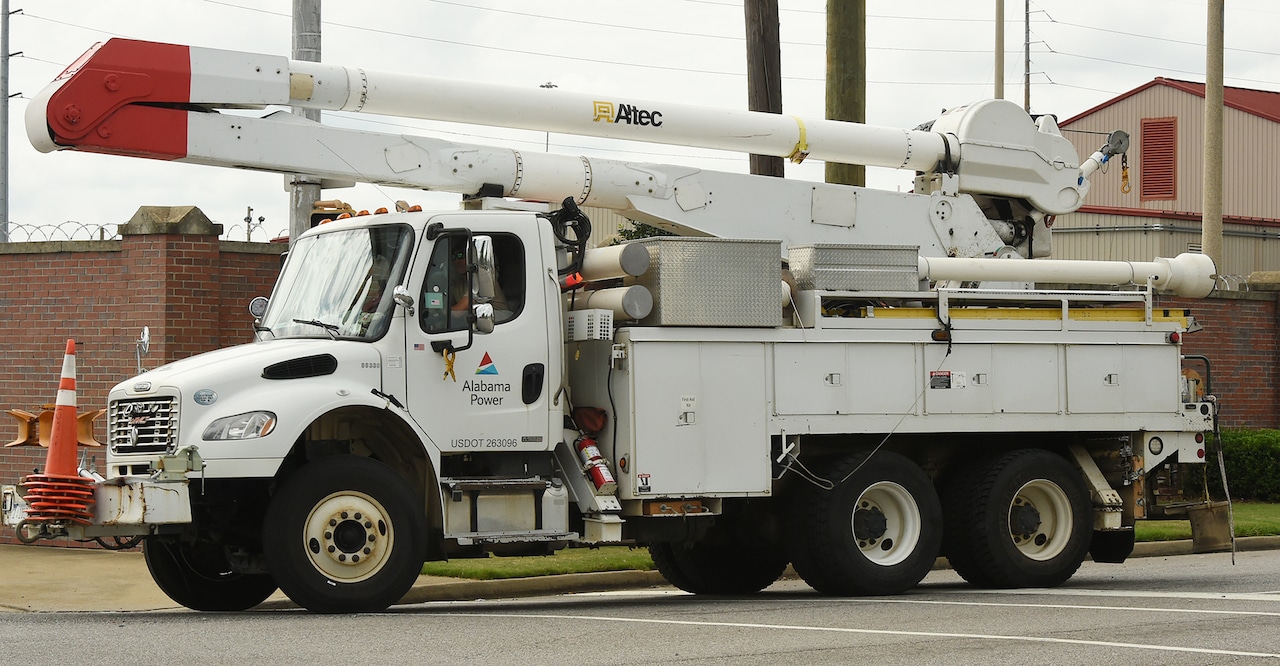
HurricaneFILE (Joe Songer | jsonger@al.com). al.comal.comThis is a guest opinion columnLast week, as Hurricane Isaias strengthened into a major hurricane off our coast, tens of thousands of Alabamians did the sensible thing. They boarded up, filled the gas tank, and headed north. The same highways carried another kind of traffic in the opposite direction: bucket trucks, digger derricks, and pickups loaded with poles, wire, and transformers. Thousands of line workers from Alabama and from as far away as 25 other states were driving toward a Category 3 hurricane on purpose.We talk a lot about first responders in this state, and we should. But there is a group of men and women who rarely make that list and belong on it. When the wind stops, the first question in every home, hospital, and grocery store in Alabama is the same: when will the power come back? The people who answer it are linemen, and I want Alabamians to know what we are asking of them.Line work is consistently ranked among the most dangerous jobs in America, and a storm makes it more so. A line worker after a hurricane works 16-hour shifts, often for weeks, in heat, rain, and darkness. They stand in buckets 40 feet in the air beside conductors carrying enough electricity to kill them instantly. They wade through water they cannot see the bottom of to reach a pole that may not be sound. They cut trees tangled in live wire, dodge traffic at intersections with no working signals, and watch for the homeowner whose improperly connected generator can send current back down a line that is supposed to be dead.And before any of that, they have to leave home. When a storm is coming, a lineman kisses their family goodbye and drives toward it. Sometimes their own house is in the path. Sometimes it is their own street that is dark, and they will spend days restoring other people’s power before they get to their own. The crews that came to Alabama from other states last week slept on cots in staging areas far from home, and many will not see their families until the last customer is back on.What most Alabamians never see is how much of a storm response happens before the first gust. Days before Isaias made landfall, Alabama Power had activated its storm center and mobilized 5,700 additional personnel from 25 states. Electric Cities of Alabama, which coordinates mutual aid for our municipal systems under agreements with more than 2,200 utilities nationwide, had crews staged from Fort Payne to Orlando. PowerSouth and the Alabama Rural Electric Association were lining up help for the 22 cooperatives that serve so much of the rural territory in the storm’s path. Poles, wire, transformers, fuel, and lodging were positioned so restoration could begin the moment it was safe to work.Restoration is not random, and it is not first-come, first-served. Crews first make damaged areas safe, then repair the transmission lines and substations that feed whole regions. Hospitals, water systems, and 911 centers come next, then the repairs that bring back the most homes at once, and finally the service drops to individual houses. It is maddening when your neighbor’s lights are on and yours are not. But the system is built to get the most people back to normal as quickly and safely as possible, and the crews will not leave until the last meter is spinning.And while it is our lineworkers we see on the front line, we should also recognize the people behind them who make that work possible: the vegetation crews clearing the way, damage assessors, system operators and engineers in the control rooms, dispatchers, warehouse and logistics teams, safety professionals, and call center staff answering thousands of calls. Nobody restores power alone. It takes an entire utility working around the clock.We think of electricity as a convenience until it is gone. After a storm, it is the thing everything else depends on. Water plants cannot pump, pharmacies cannot fill prescriptions, dialysis centers close, and cell towers run out of backup battery. Every hour a line worker shaves off an outage is an hour sooner a town can act like a town again.Linemen are not just restoring power. They are restoring normal life.So here is my ask. If you see a lineman at a gas station, shake his hand. If you pass a work zone, slow down and move over, because a distracted driver is one of the leading ways these men and women get hurt. If you run a generator, connect it the right way, because the life you protect may be the one up the pole. And before you post a complaint about how long your outage is taking, remember that someone who has not seen their family in a week may be reading it.Reliable power is the foundation of public safety and economic recovery. There will be a next storm. Our utilities will be ready, because they always are. The least the rest of us can do is make sure the people who climb the poles know that Alabama sees them and is grateful.Clay Scofield is president and CEO of the Energy Institute of Alabama
When the storm comes, our lineworkers drive toward it: op-ed
Full Article
Original Source
Read the full article at Al →KhanList aggregates and links to publicly available news content. We do not host full articles from third-party sources. Always verify important information with original sources.