
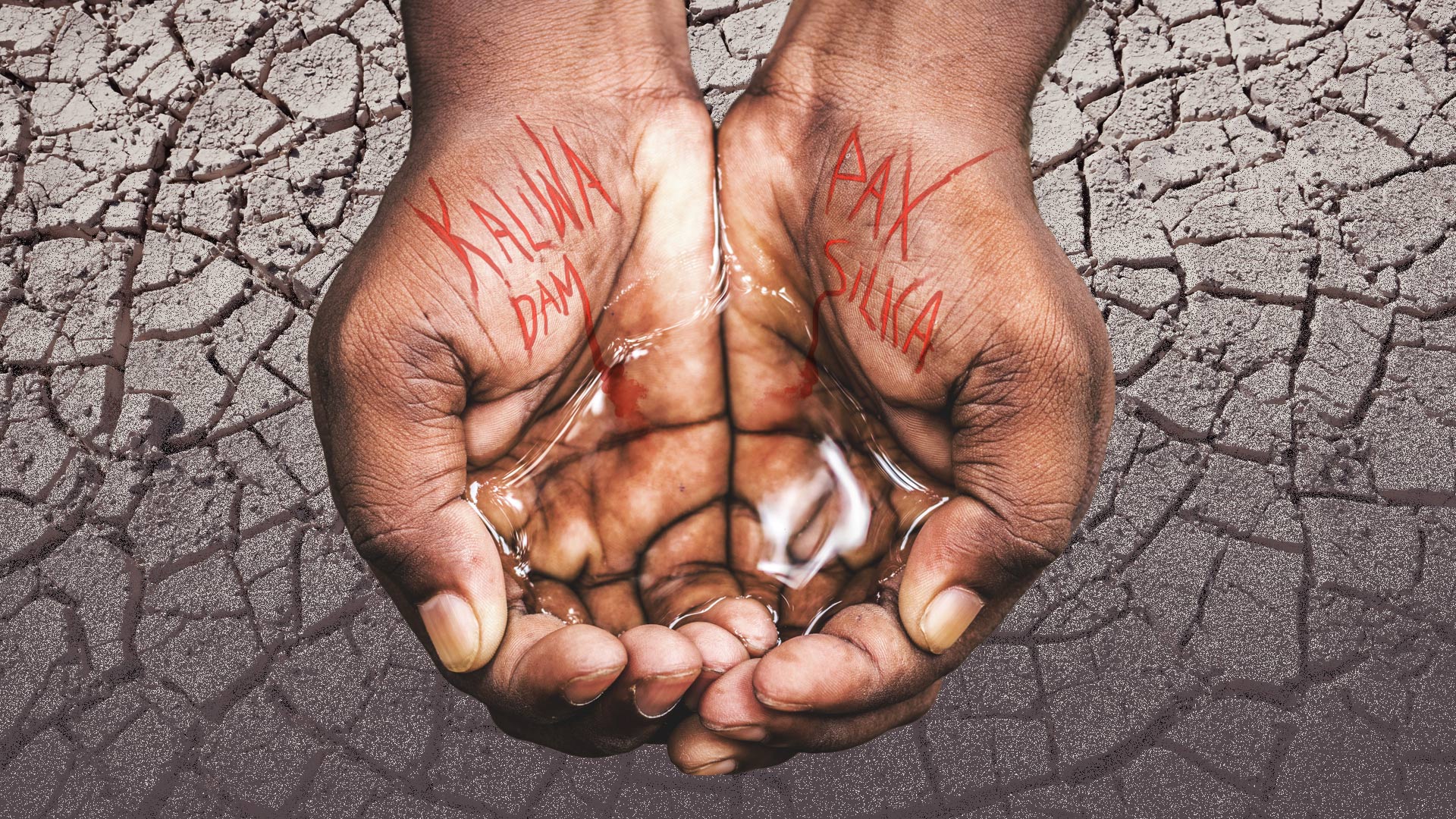
Indigenous Peoples in the Philippines are warning against development projects that threaten their ancestral lands and the environment, emphasizing the importance of preserving natural resources for future generations. The struggles of various Indigenous communities, such as the Aeta and Dumagat, highlight the deep connection between their survival and the health of ecosystems, as they resist displacement and environmental degradation caused by industrial projects. The call for progress should not come at the expense of preservation; instead, development should focus on sustainable practices that protect biodiversity and respect Indigenous rights, recognizing that their survival is intertwined with the well-being of all. This is AI-generated. Read the article for full context. Report any errors. Across the country, Indigenous Peoples have been sounding a warning we have been slow to hear. “Ang proyektong iyan ay isang dambuhalang linta na sisipsipin lahat ng yaman ng bundok. Hindi naman po pansarili ang aming ipinaglalaban.” (That project is a giant leech that will suck the mountain dry of its riches. What we are fighting for is not for ourselves alone.) These were the words of an Aeta elder opposing the proposed Pax Silica development in Tarlac. Farther south, in General Nakar, Quezon, a Dumagat mother who marched 150 kilometers to oppose the Kaliwa Dam, spoke of the burden she carried: “Tuwing naglalakad po kami, tuwing naiisip ko ang gagawin sa amin at mangyayari sa amin at sa susunod na henerasyon, halos ako po ay naiiyak sa daan dahil pakiramdam ko pasan ko ang Sierra Madre.” (Every time we walk, when I think about what will happen to us and to the generations after us, I almost cry because I feel as though I am carrying the Sierra Madre on my shoulders.) Communities and environmental groups warn that the dam threatens the biodiversity of the Sierra Madre. A giant leech draining a mountain. A Dumagat mother carrying the Sierra Madre on her shoulders. Different communities, different threats, but the same warning: what is being lost in the name of progress does not belong to them alone. Ancestral lands in development’s path The Philippines is once again confronting El Niño, with warnings of drought, threats to food security, and pressure on our water supply. While we ask how to withstand a hotter, drier future, people long pushed aside in the name of progress have practiced resilience for generations. They remind us that survival depends not only on what we take from the Earth, but on what we leave behind. There is a small pouch I have never forgotten. Some time ago, while spending time with an Indigenous community, I noticed that a fisherman carried a pouch barely larger than a clutch bag. I asked why he did not bring something bigger. “That is enough for one day,” he answered. “Tomorrow is another day. The river provides what is needed. To take more is to take from someone else.” In that tiny pouch lived a philosophy deeper than many policy papers: enough is enough. Yet as we are told to conserve water and become more resilient to climate change, we continue to place ancestral lands and ecosystems in the path of development. Healthy forests and watersheds regulate water, sustain rivers, and help shield us from drought, floods, and extreme heat. We cannot control when El Niño arrives, but we can control how much of our natural defense we destroy before it does. Preparedness begins long before reservoirs fall and crops wither. It begins with what we choose to protect. Consider Capas, Tarlac. The proposed Pax Silica technology hub promises artificial intelligence infrastructure, semiconductor development, investment, and jobs. But Aeta communities fear displacement and threats to ancestral lands, livelihoods, and water sources. The collision is almost too symbolic: a people rooted in the land for generations confronting an industry meant to carry us into the technological future. Beneath it lies an older question: What is land worth? To most of us, land is property, with titles, market values, and development potential. To many Indigenous Peoples, it is something else entirely. I have met various Indigenous groups with different cultures and traditions, yet when they speak of land, I hear the same truth: Ang lupa ay buhay. The land is life. It is where ancestors are buried and children are born. Rivers hold stories. Mountains mark histories. Forests are pharmacies, kitchens, classrooms, and places of worship. Protecting forests is protecting waters I have seen what that relationship looks like through my work with Bantay Gubat rangers, many of whom are Dumagat. These forest guardians patrol the Ipo Watershed, confronting illegal logging, illegal settlement, forest fires, and other threats. They risk their lives protecting a watershed that helps provide water to millions in Metro Manila. There, the connection between their survival and ours becomes tangible: in protecting their ancestral forests, they are also protecting the water that flows into our homes. And they are hardly alone. On Sibuyan Island in Romblon, often called the “Galápagos of Asia” for its extraordinary biodiversity, the Sibuyan Mangyan Tagabukid, alongside fellow Sibuyanons and environmental advocates, have resisted nickel mining they fear threatens the island’s ecosystems. In 2023, residents formed a human barricade against trucks carrying nickel ore, putting their bodies in the path of mining operations to protect the island they call home. In Boracay, behind the powdery white sand and postcard-perfect resorts lies another story: the Ati have faced displacement and the loss of traditional livelihoods as tourism and development transformed their ancestral lands. In Bugsuk, Palawan, Molbog and Pala’wan communities have fought for ancestral lands and fishing waters threatened by private commercial interests, including pearl farming — a struggle Indigenous advocates call “blood pearls.” In Kalinga, the historic resistance of the Kalinga and Bontok peoples to the Chico River Dam lives on, as members of the Balatoc community resist mining and communities along the Chico River raise concerns over hydropower projects threatening their ancestral lands and livelihoods. The project changes — a technology hub, a dam, a mine, a resort. The generation changes. The landscape changes. But the question remains: Who gets to decide what Indigenous land and water are worth? Economies that restore, not exhaust Progress need not come at the expense of preservation. We can build economies that restore rather than exhaust, create livelihoods that sustain rather than displace, and pursue development that strengthens our resilience rather than deepens our vulnerabilities. The measure of progress should be not only what we gain, but what we preserve for generations to come. The answer matters far beyond these communities. An estimated 85% of the Philippines’ Key Biodiversity Areas lie within ancestral domains. Yet Indigenous Peoples continue to face threats from mining, quarrying, logging, land conversion, infrastructure, and even poorly planned renewable energy projects. Too often, we reduce the living world to what it can produce: a forest becomes timber, a mountain becomes minerals, a river becomes cubic meters of water, a coastline becomes real estate. But not everything of value can be priced. In safeguarding the land, we safeguard ourselves. Their rights need no justification beyond the fact that they are rights. But there is another truth we can no longer ignore: their survival is bound to our own. Their struggles may unfold far from our homes, yet the fate of those places does not end at the borders of ancestral lands. What they protect sustains us. What they lose, we eventually lose too. So perhaps honoring Indigenous Peoples should begin with something harder: listening — to both the cry of the Earth and the cry of the poor, as Laudato Si’ urges us. Ang lupa ay buhay. The land is life. And, without it, none of us survives. – Rappler.com Sarah Bautista-Abaño is an environmental and human rights advocate who has worked closely with Indigenous communities on ancestral land rights, environmental protection, and community empowerment. A trained wildlife ranger, she has served alongside Indigenous forest guardians protecting critical watersheds and forests. She is also a wife, mother of three daughters, and avid mountaineer.
When Indigenous Peoples survive, the rest of us do too
Full Article
Original Source
Read the full article at Rappler →KhanList aggregates and links to publicly available news content. We do not host full articles from third-party sources. Always verify important information with original sources.