
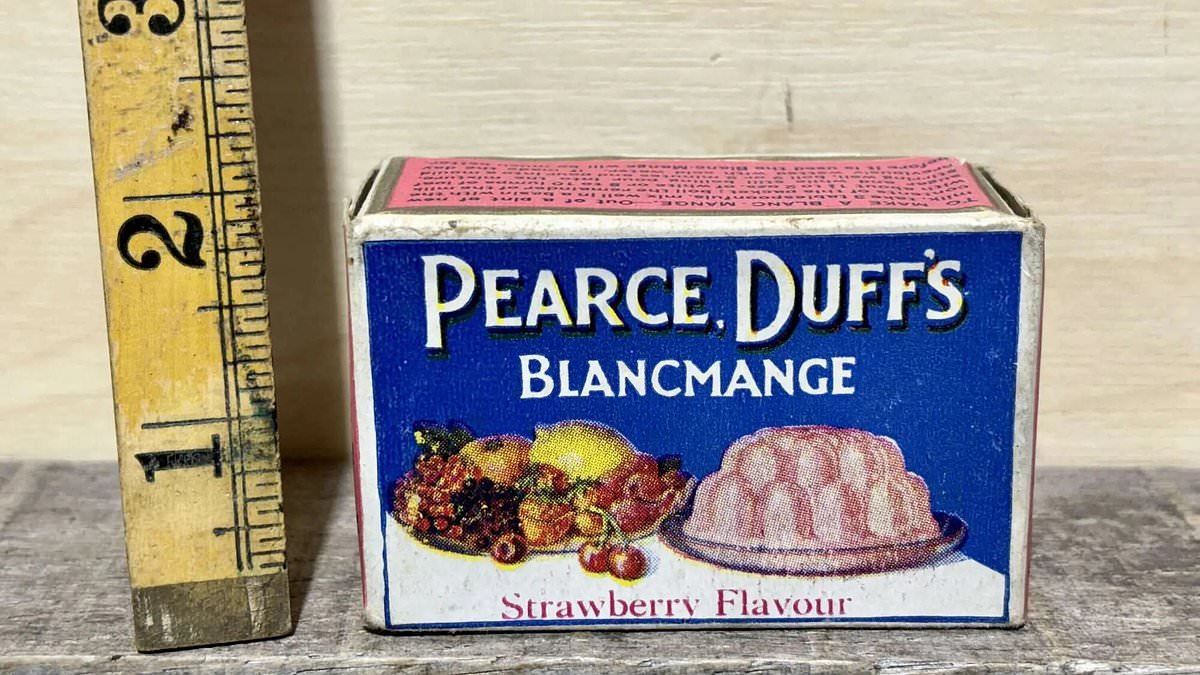
Retro foods are making an almighty comeback – and they've never tasted so good.Old favourites like Arctic Roll, Viennetta and vol-au-vents have seen an unexpected boost in popularity in recent years, according to figures from Ocado, with manufacturers reimagining classics for a new, aesthetic-obsessed generation.Half of UK shoppers report seeing evidence of this retro resurgence on supermarket shelves, polls have found. Waitrose, meanwhile, took full advantage of the yearning for yester-year in April, releasing a 'noshtalgia' range that featured rhubarb and custard ice cream, peach melba spritz and a scotch egg sandwich. Modern day desserts, meanwhile, are continuously under the spotlight for their heavy load of additives, preservatives and artificial sweeteners. So are 1980s classics far healthier?Here, dietitian Nichola Ludlam-Raine reveals the uncomfortable truth about some retro desserts – and flags the ones that are surprising nutritional heroes. Angel Delight StrawberryPer serving (92g): 97 calories, 2.1g saturated fat, 10.8g sugar, 1.3g fibre, 3.2g protein, 0.4g saltAngel Delight was first launched in 1967 and has become a mainstay in cupboards across the UK.Known for its fluffy texture, the low-calorie sachet contains a powdered mix that is whisked with 300ml of milk to create a mousse-like pudding in minutes. Ms-Ludlam Raine says that, while the ingredients are 'heavily processed' – containing additives and starches -'it does contain some nutritional positives'.'Making it with milk adds protein and calcium,' she says. 'And it also contains inulin, a type of fibre that can help nourish our beneficial gut bacteria.'While there's two-and-a-half teaspoons of sugar here, that's far less than all of the other desserts, and less than you'll get in many fruit-flavoured yoghurts.'I'd serve it with some fresh berries, as despite its strawberry flavour, it contains very little actual fruit.'Verdict: 4/5 Ambrosia Rice PuddingPer serving (200g): 186 calories, 2.6 saturated fat, 17.4g sugar, <0.5g fibre, 6.2g protein, 0.22g salt After producing dried milk products for babies and soldiers during the First World War, Ambrosia launched its now-famous Rice Pudding in the 1930s. Made in Devon, it has become a household favourite thanks to its sweet, creamy flavour. Today, it stands out as one of the best options on supermarket shelves, according to Ms Ludlam-Raine, who praised its short ingredients list consisting mainly of whole milk, skimmed milk, whey (extracted from milk), rice and sugar.'Rice pudding has a relatively simple ingredients list and, thanks to its high milk content, it provides protein and calcium which are important for muscle and bone health,' she says.'It's also likely to be one of the more satisfying desserts. I'd serve it warm with some raspberries and a sprinkle of cinnamon to boost the fibre content.'While there's four teaspoons of sugar in half a tin, some of this is likely to occur naturally in the milk. Still, it has the second highest sugar count of all the retro products. Verdict: 3.5/5 Pearce Duff's Strawberry BlancmangePer serving (140g): 125 calories, 1.5g saturated fat, 11g sugar, 0g fibre, 4.3g protein, 0.18g saltIt has been almost 180 years since William Pearce and William Hendry Duff established their culinary business. Founded in 1847, the company initially produced baking powder and egg substitute powders but today it is best known for its smooth, creamy and wobbly pudding: blancmange.Sold in sachets, the dessert is made by whisking the powder with milk and sugar before leaving it to chill and set in the fridge for several hours. Ms Ludlam-Raine says its ingredients list is 'surprisingly simple' – consisting of cornflour, flavourings and two additives. 'Because you make it yourself with milk and sugar, you have some control over how much sugar goes into it,' she says.The milk provides protein – an average amount, compared to the other desserts – and calcium. The manufacturers suggest replacing some of the sugar with artificial sweeteners if you wish to reduce the sugar count, which is almost three teaspoons (a little under half of your daily limit). Verdict: 3/5 Bird's Strawberry TriflePer serving (217g): 169 calories, 2g saturated fat, 22.8g sugar, 0.7g fibre, 4.8g protein, 0.28g saltYou would be hard-pressed to find a more quintessentially British pudding than trifle, and Bird's offers one of the most convenient ways to make one.Inside the box is almost everything needed to create the layered dessert, including the jelly, custard, sponge fingers and sprinkles. However, the ingredients list is packed with additives, including colourings, stabilisers, emulsifiers and flavourings, making it one of the more heavily processed options on the list.'Whilst the milk-based layers provide some protein and calcium, the combination of jelly, sponge, custard, topping and sprinkles makes this one of the more sugary options per suggested serving,' says Ms Ludlam-Raine.Indeed, there's more than double the sugar of a portion of Viennetta ice cream, and 75 per cent more than you'll get in an Arctic Roll.But it's surprisingly low fat and, at under 200 calories per portion, wouldn't be the worst choice for slimmers. 'Add plenty of fresh fruit to the layers, which will boost the fibre content and provide additional vitamins and antioxidants to support heart health,' says Ms Ludlam-Raine.Verdict: 2/5Birds Eye Arctic Roll RaspberryPer serving (52g): 110 calories, 2.3g saturated fat, 13g sugar, 0.3g fibre, 1.6g protein, 0.2g saltSponge cake wrapped around ice cream and jam, Arctic Roll has been the centrepiece of many a family dessert table. The frozen treat was made in the 1950s by Dr Ernest Velden, who opened a production factory in Sussex. It enjoyed decades of popularity before sales slumped in the 1990s, although it was revived in the late 2000s.Today, however, the well-loved Bird's Eye version has been removed from shelves, and replaced with fancier, modern variations adorned with chocolate and fruit toppings. Tesco's Ms Molly's ice cream roll bears the closest resemblance to the classic favourite, with much the same processed ingredients; an extensive list of sugars and sweeteners, flavourings, emulsifiers, stabilisers and colourings.'Arctic Roll is nostalgic favourite, but the combination of ice cream, sponge and raspberry filling means it contains several sources of added sugar, whilst providing relatively little protein or fibre per serving to keep you full,' Ms Ludlam-Raine says.While there's only 100-odd calories in a 50g serving, the lack of protein and fibre means it's unlikely you'll be satisfied with such a small amount, and could easily polish off the whole roll.Verdict: 1/5 Viennetta VanillaPer serving (100ml): 117 calories, 5.8g saturated fat, 9.6g sugar, <0.5g fibre, 1g protein, 0.04g saltDespite being made as a one-off festive treat by Wall's in 1982, you'll still find Viennetta on countless Christmas dinner tables this year.The indulgent, layered ice cream is said to have been inspired by the French mille-feuille cake and has enjoyed more than four decades of popularity since.Its ingredients list contains skimmed milk, coconut fat, sugars and cocoa powder, as well as many additives.'Although not the highest in sugar per suggested serving, Viennetta stands out for its saturated fat content that's higher than all the other desserts,' Ms Ludlam-Raine says.'This is largely due to the coconut fat used to create its creamy texture.'But the sugar count is the lowest; there's just over two teaspoons in an average-sized slice, which is a relatively small proportion of the seven we should have daily. Verdict: 3/5 Ambrosia Devon CustardPer serving (130g): 125 calories, 1.9g saturated fat, 13.3g sugar, <0.5g fibre, 3.6g protein, 0.14g saltHeated and poured over crumbles, sticky toffee pudding, fruit pies, or even just eaten on its own, Devon Custard is a firm favourite.Made largely with West Country milk, Ambrosia boasts that its custard has no artificial flavours and no added colourings. It's relatively low in calories and fat, compared to some of the other desserts (Viennetta is three times fattier).'This is another milk-based dessert that provides some protein and calcium,' says Ms Ludlam-Raine. But the major downside is the three teaspoons of sugar for a treat that's usually eaten alongside another dessert. If you're craving custard, Ms Ludlam-Raine advises pouring it over fruit to escape further added sugar.'I love the combination of warm custard with stewed apples, pears or blackberries. You could also add a sprinkle of oats for some extra fibre,' she says.Verdict: 2.5/5
What's the healthiest retro pudding? Experts reveal the surprising slimming effects of old-fashioned treats...as retro desserts like Angel Delight make a comeback
Full Article
Original Source
Read the full article at Dailymail →KhanList aggregates and links to publicly available news content. We do not host full articles from third-party sources. Always verify important information with original sources.