
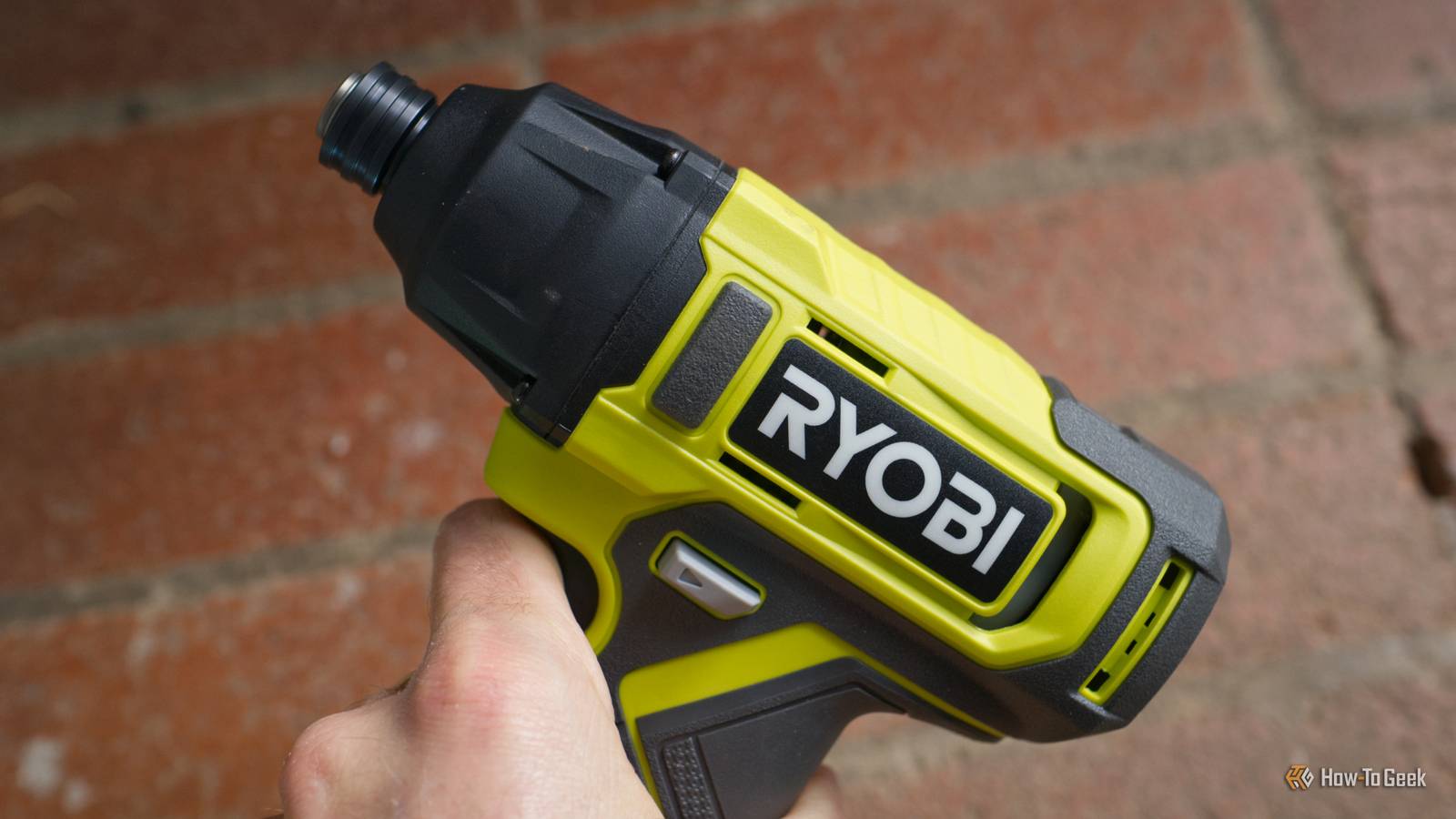
Published Nov 18, 2026, 12:00 PM EST Tim has been covering technology for almost 20 years, in that time spanning a broad range of topics from security to product reviews. He is especially focused on the Apple ecosystem, productivity, and consumer advice. Over the years Tim has written thousands of articles, reviews, and round-ups in addition to producing video content and original photography. A graduate of journalism, he found his footing as a freelancer with a laptop and loves how he is able to work from practically anywhere. Now a Senior Editor for iPhone, Mac, and Smart Home at How-To Geek, Tim still loves to write. He can also be found crafting round-ups and productivity posts for the Zapier blog. Earlier in his career Tim spent nearly a decade as a writer and eventually Apple section editor for MakeUseOf. Tim currently lives in Brisbane, Australia. Outside of work he loves to hike and work out, play video games, and spend quality time with his wonderful partner and two cats Inka and Roger. Many DIY enthusiasts find it hard to resist the pull of Ryobi. The brand has exploded in popularity in recent years, to the point where it’s now the number one choice for many. So what’s the deal with Ryobi, and why are these fluorescent tools so popular? Who is Ryobi? A slightly complicated question to answer Ryobi Limited is a Japanese company that was founded in 1943. The company started life selling printing presses and other die-cast products until the late 1960s, when a line of power tools was introduced. This continued until 2000, when Ryobi’s North American power tools business was acquired by a company called Techtronic Industries (TTI). In 2001, the company acquired the European arm, followed by the Australian and New Zealand businesses the following year. The company known as Ryobi Limited eventually got out of the power tool game in all but name when it sold the rest of its power tools business in 2018 to Kyocera Group. This means that the Ryobi tools you see in the hardware store are almost certainly produced by the Hong Kong-based Techtronic Industries in countries like China, Vietnam, and Mexico (with some manufacturing in the United States and Europe). At this point, Ryobi is “just” a brand name. You might be surprised to hear that TTI owns several other recognizable tool brands, including Milwaukee Tool, Hart Tools, AEG Electric Tools, Ridgid, and Kango. The fact that TTI is responsible for both Milwaukee and Ryobi (and many other cut-price brands) is interesting, but that doesn’t mean that you should pretend that these brands are the same. A blend of price and availability Credit: Cory Gunther / How-To Geek There are a few big reasons why Ryobi tools are so popular, with the biggest being the price. Compared to brands like Bosch, DeWALT, and Milwaukee, Ryobi offers a cheaper way to build a power tool collection. This has led to the company’s strong foothold in the domestic market. Weekend warriors buy Ryobi tools because they’re cheap, often on sale, and perfect for light to moderate use. If you’re buying Ryobi, you’re probably not expecting the tool to last as long as an equivalent from a more expensive brand. Despite this, Ryobi tools punch well above their price tag in terms of value for money. Ryobi has also built a diverse range of tools and accessories around its ONE+ battery system. The vast majority of these are designed to accept 18V batteries, but there’s a growing range of more powerful 40V tools (and some 80V tools too). On top of this, Ryobi has introduced a more premium “HP” (High Performance) range of brushless tools. This battery system has grown to encompass more than just tools. Few brands have as many additional gadgets as Ryobi, from spotlights and fans to heaters, coolers, Bluetooth speaker systems that sync with one another, USB chargers, and more. Some of these may just be gimmicks, but all of them reinforce the ecosystem and keep you coming back. Ryobi isn't the only brand to do this (of course), but there really is a startling number of tools and gadgets powered by the ONE+ system to choose from. Ryobi’s eye-catching marketing has also probably played a part. All tool brands adopt team colors, but Ryobi’s greenish-yellow is especially dazzling. It’s a divisive choice of color, but compared to the old blue Ryobi tools of the 1980s, it gives the brand’s tools personality and makes them immediately recognizable in a toolbox or hardware store. Though they’re fine for most Because of their perceived cheaper build quality, Ryobi tools aren’t often the first choice for tradespeople who reach for a drill or impact driver every day at work. For the average DIYer who reads How-To Geek articles about power tool ecosystems, they’re a solid choice. Some people only need that single drill or impact driver and have no interest in building a large selection of tools. You might just want a pricier tool that’s going to stand the test of time, at which point that DeWALT or Makita might be the best choice for you. Don’t forget that you can go even cheaper than Ryobi. If you’re really on a budget and seldom pick up your tools, brands like Kobalt and Hercules offer even greater savings (though they don’t match Ryobi in terms of battery system compatibility). Check out Ryobi tools for yourself I’ve started my Ryobi collection, and I’m even borrowing my dad’s Ryobi tools at this stage. Ryobi tools might not be the “best” on the market, but, like a lot of things in life, this doesn’t mean they should be avoided.
What’s the deal with Ryobi tools and why is everyone buying them?
Full Article
Original Source
Read the full article at Howtogeek →KhanList aggregates and links to publicly available news content. We do not host full articles from third-party sources. Always verify important information with original sources.