
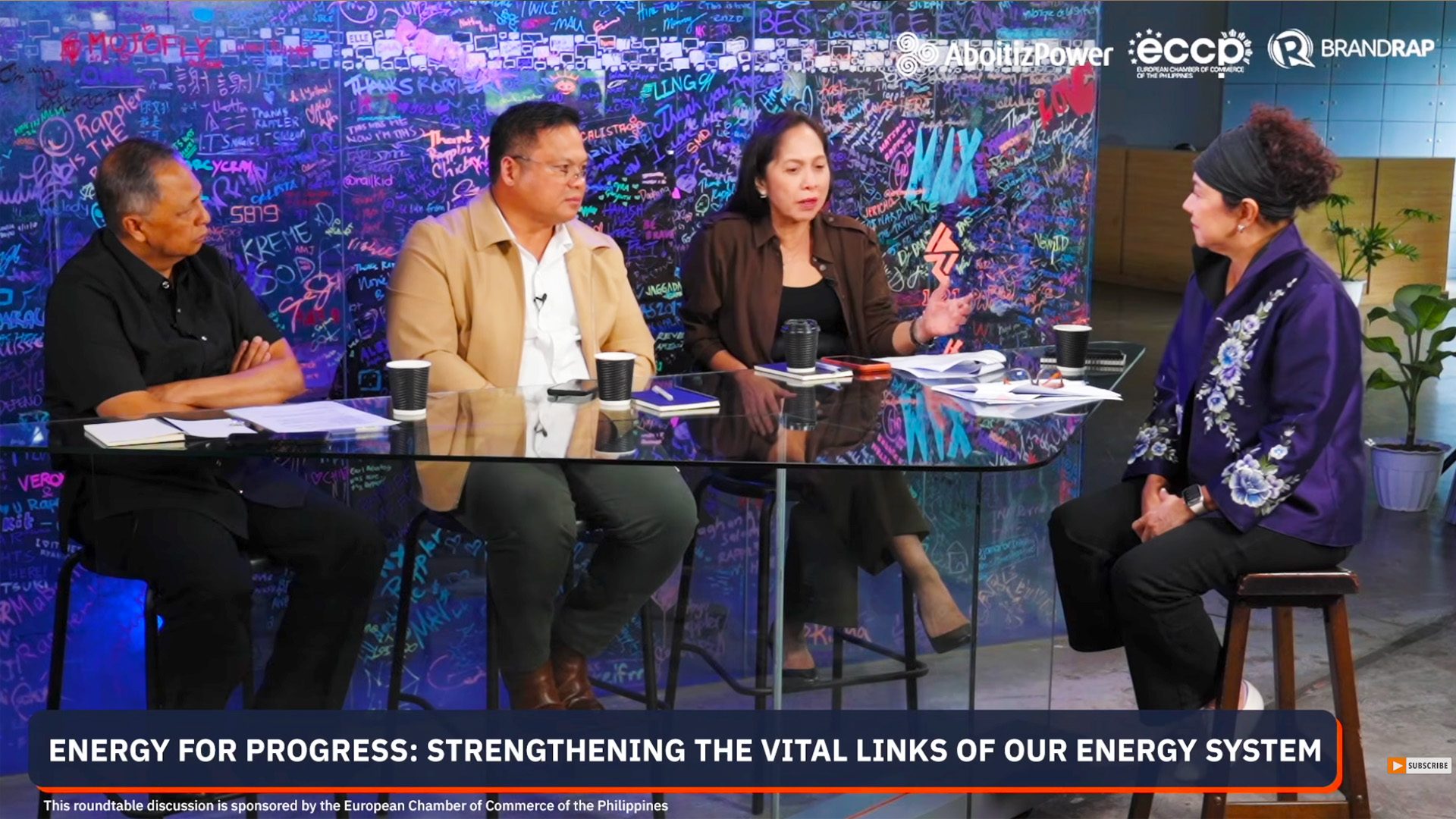
The Philippines faces challenges in its energy sector, including high electricity prices and frequent supply alerts due to infrastructure issues and project delays. Panelists advocate for improving electric cooperatives and exploring innovative energy solutions, such as distributed generation, to ensure stable and affordable electricity across the archipelago. This is AI-generated. Read the article for full context. Report any errors. Editor’s note: This content is sponsored by AboitizPower and was handled by BrandRap, the sales and marketing arm of Rappler. No member of the news and editorial team participated in the publishing of this piece. With high electricity prices, vulnerable infrastructure, and critical supply, it can be difficult for Filipinos to have an optimistic outlook not only for our energy industry’s future, but also even just for the present. Did you know that in the Visayas alone, there have been nearly 130 yellow and red alerts since January 2026? “Nagkakaroon tayo ng red and yellow alerts. Maraming kadahilahan. Maaaring kinapos ang supply, may mga planta na nasira, o kaya naman ay may mga planta na nasa construction nga pero na-delay din ang pasok,” said Atty. Francis Saturnino “Nino” Juan, chairperson and CEO of the Energy Regulatory Commission (ERC). (We have red and yellow alerts. There are many reasons behind this. It may be from a lack of supply, broken power plants, or probably power plants that are under construction but got delayed in deployment.) Juan said this in the panel discussion “Energy for Progress: Strengthening the Vital Links of our Energy System”, where he was joined by Energy Secretary Sharon Garin and Prof. Rowaldo “Wali” Del Mundo, who is the associate dean of the College of Engineering in the University of the Philippines (UP) and the UP System’s vice president for development. Moderating them was Ruth Yu-Owen, the energy committee chairperson of the ECCP (European Chamber of Commerce). “Energy for Progress” is part of Rappler’s “Powering Up” roundtable discussion, done in partnership with Aboitiz Power Corporation and the ECCP. Critical monitoring There is a perfect fuel mix fit for the Philippines, according to Energy Secretary Garin, but notes that it is an “evolving formula” that contains a mix of renewable energy, as well as baseload (steady and more affordable, like coal) and mid-merit sources that can fill up the gaps left by variable and intermittent supply. “The technologies change faster than our policies, so we keep catching up. And now what we’ve done is do a super simulation to have some projections, get a super computer with super people from DOE and the rest of the industry so we can calculate what to expect in the next 10 years,” quipped Garin. There’s also a need to create new regulations and even revisit the Philippine Grid Code, Juan added, on account of new technologies coming into the grid. “Nakapaloob kasi din diyan ’yung [energy] reserve requirements natin, so tinitingnan kung ano na ba ’yung sufficient na reserve. Anong klase na ’yung reserve na dapat papasok? So ito ang mga sinosolusyunan natin ngayon.” (It also houses our [energy] reserve requirements, so we get to check what kind of reserve is sufficient. What kind of reserve should we integrate? So these are the things we are trying to solve right now.) Meanwhile, Del Mundo stressed the need to catch up on project delays, especially as demand for electricity continues to grow. It can be recalled that the Department of Energy has been calling out projects that failed to meet their development commitments. “Electricity supply interruptions send ripple effects to other sectors of the economy, and this ultimately leads to economic losses,” the Philippine Institute for Development Studies said. Making energy affordable In terms of alleviating the cost of power, Del Mundo also emphasized the importance of strategic procurement on the part of distribution utilities for both the short-term and the long-term, with the latter serving as more of a signal for power producers to build more future capacity. But even then, Del Mundo observed that there were long-term contracts that didn’t result in new capacity. Instead, these were crafted for existing power plants, making it uncertain that there is available capacity in the long run. Del Mundo said that there’s too much dependence on the existing power plants, suggesting the need for more alignment when it comes to procurement in the distribution sector. Empowering the innovative Filipino spirit During the first episode, Garin also highlighted Filipino innovation as a big anchor in building more energy capacity – like through agrivoltaics, or growing vegetables under solar panels, to balance out the demand of both for arable land. Some forms of makeshift solutions have also come out of the Philippines being a climate-vulnerable nation, like what Garin recalled during her visit to a location that experiences floods: The people raised the pole mount of the solar panels. The Philippines itself, as an archipelago, invites the need for innovation and exploration. “Because of this, very expensive [and weak] ang ating transmission[…] So kung ang ating power generation ay magiging embedded, ibig sabihin, distributed… Bawat island, may adequate supply[…] so yung ating interconnection ay hindi natin kailangan problemahin na, “Kailan natin i-u-pgrade [o] lalakihan?” Ibig sabihin, importanteng ma-interconnect natin para ma-hold lahat nung mga island together para sa stable na operation,” Del Mundo said. (Because of this, our transmission is very expensive and weak. So if our power generation will be embedded, meaning distributed… Each island, there’s an adequate supply, so we don’t need to stress about our interconnection in terms of, “When do we need to upgrade or expand?” This means it’s important to interconnect so the islands will be held together for a stable operation.) Improving and modernizing electric cooperatives Electric cooperatives should also be improved in terms of their capacity-building and infrastructure, Garin said. The far-flung areas served by these cooperatives shouldn’t be forgotten, the panel maintained, with Juan adding that the consumers’ best interest should always come first. For Del Mundo, an option could be combining multiple electric cooperatives into just one entity per region to produce scale and, ideally, improve overall performance and power rates. To dive deeper into the discourse, watch the complete episodes starring our experts below: Episode 1 Episode 2 Episode 3 – Rappler.com
What’s hindering us from progress in our power generation, transmission, and distribution segments?
Full Article
Original Source
Read the full article at Rappler →KhanList aggregates and links to publicly available news content. We do not host full articles from third-party sources. Always verify important information with original sources.