
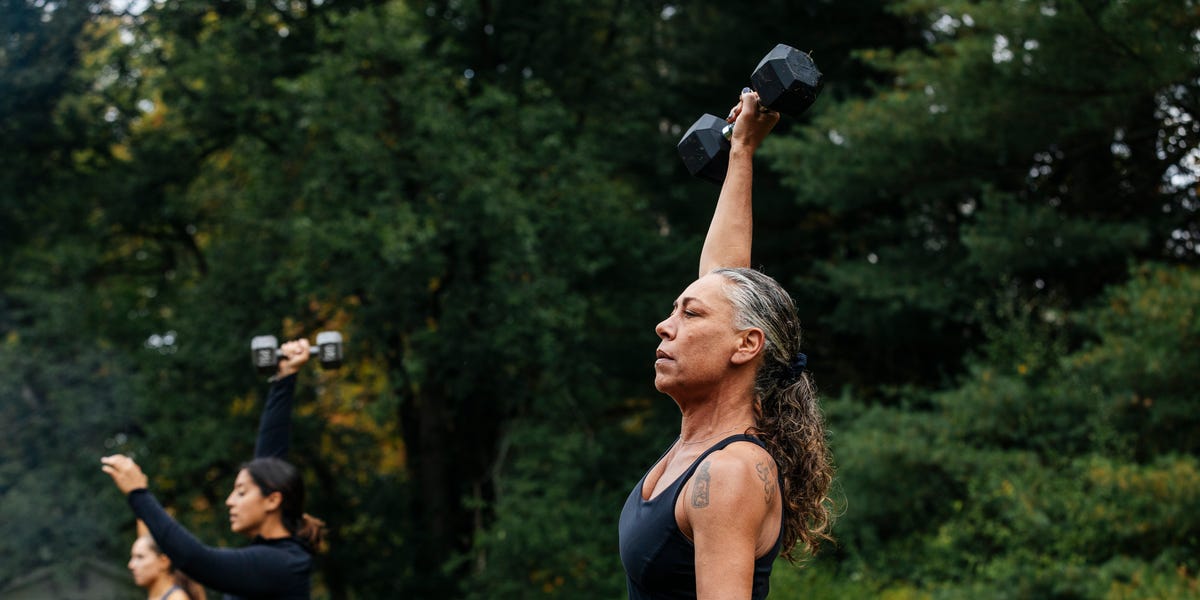
5 min readYou might have heard that being active is a good idea when you have osteopenia or osteoporosis, conditions marked by lower-than-normal bone density. But when you’re exercising specifically to improve bone health, some types of exercise may be more helpful than others. Before lacing up your sneakers, there are a few things to know.“When patients ask me what they can do to preserve and protect their bone health, consistent weight bearing and resistance exercises are the first things I recommend,” says Nicole Leung, MD, director of the Osteoporosis and Bone Health Program at NYU Langone Health in New York City. “Bone is a living tissue, so it adapts to mechanical load through remodeling.”When bone tissue is stressed via physical activity, your body responds by making more bone, helping strengthen the tissue. Exercise also lowers the activity of cells that dissolve and break down old bone. That combo helps preserve or even improve your bone mineral density, regardless of your health status. Exercise may slow or even prevent the progression of osteoporosis; if you have osteoporosis already, it can help you maintain the bone you have and reduce your risk for falls and fractures.A bone-density diagnosis doesn’t mean you have to give up exercise—but your routine should reflect your fracture risk and health history. Here’s what Dr. Leung recommends for choosing activities, adapting your routine, and knowing when to check with your doctor before making major changes.Use a Mix of Exercise TypesThere are a few types of activities that make up a bone-friendly exercise plan, and it’s important to get the right amount of each. Here are the types of exercise to do regularly.Weight-bearing activities These are exercises where you’re on your feet and putting force on your muscles and bones as they work against gravity. Depending on factors like your age, fitness level, and bone mineral density, these activities can include:Brisk walkingJogging or runningHikingDancingAerobics classesClimbing stairsPickleball or tennisJumping ropePeople working to maintain their bone health should do these sorts of activities for 30 to 60 minutes, three to five days per week, according to the American College of Sports Medicine.As for activities like swimming and cycling, they’re great for getting your heart pumping—but because they’re low-impact, they won’t do much for your bones. That said, feel free to do them in addition to your weight-bearing exercises if you enjoy them.Strength-training exercisesLifting (relatively) heavy things works your muscles and helps build bone density. This includes free weights, machines, resistance bands, or body weight exercises like squats or push-ups. Aim for two to three strength sessions per week, and don’t be afraid to gradually go heavier (with your doctor’s okay). Pushing yourself to 70 to 90 percent of your max effort may deliver a bigger bone boost than lifting lighter weights, research suggests.Balance exercisesHaving osteoporosis makes you more prone to fractures after falls, but you can strengthen your balance—and reduce your chances for a broken bone—with exercises like yoga, tai chi, or Pilates. “Any exercise where you have to shift your body weight side to side and forward and back can be very helpful for your stabilizing muscles,” Dr. Leung says. She recommends working balance exercises into your schedule a few times per week. Find safe modifications if you’re worried about falling, like holding onto a sturdy chair or touching a wall.Adjust Your Routine to Your ExperienceWhether you’ve been exercising for years, are just starting out, or are returning to a routine after a long hiatus, Dr. Leung advises paying attention to your posture, avoiding exercise when you’re overly exhausted, and increasing intensity gradually. Older women who are new to exercise can still do resistance training, she says, but may need to start at a slower pace and under supervision.Modify or Avoid Certain MovesDespite the overall benefits of exercise, you still need to be careful, particularly when you have osteoporosis. Certain activities can set the stage for potential spine fractures, so before starting an exercise program, decide with your doctor or other qualified professional what is and isn’t safe for you.According to the International Osteoporosis Foundation, you may need to limit or avoid moves that involve:Sit upsTouching your toes with a twistExcessive bending or twisting (like golf or bowling)Seated rows with slouched posture (bending forward while pulling weight)Yoga, while helpful for balance, can involve poses that put your spine at risk (like forward bends, deep twists, plow pose, shoulder stand, and pigeon pose). If you decide to give it a try, choose a class where the teacher can offer safe modifications, Dr. Leung says. It’s also best to steer clear of activities that come with a high risk of falling from above standing height, like skiing or horseback riding, she adds.Give Your Bones Time to RecoverWhen it comes to stressing your bones, it’s possible to get too much of a good thing. “Overburdening your bone can actually lead to stress fractures,” Dr. Leung says. If you do prolonged intense weight-bearing and high-impact exercises like jogging or jumping rope, avoid scheduling them on back-to-back days. Alternate those workouts with activities like strength training, or have an active recovery day where you walk or do yoga or tai chi, she recommends.Keep Moving Throughout the DayMake it a point to stay active even after you’ve completed the day’s workout. According to Dr. Leung, non-exercise activities like casual walking or doing chores may help to maintain bone density when compared to sedentary behavior. Stroll over to chat with a coworker at their desk during a break, take the stairs when you can, or walk while you call a friend instead of sitting. A few minutes here and there can really add up.Watch for Red FlagsAny new or worsening bone or spine pain is a warning sign to stop exercising and contact your doctor. You should also call your doctor if you fall while exercising, notice that you’ve had height loss, or if your spine appears curved, which could be signs of a spinal fracture. And always stop exercising and seek medical attention if you experience other severe symptoms like dizziness, faintness, or chest pain.Keep Putting in the EffortConsistency counts. People with low bone density who stay active over several months tend to see the greatest bone-health benefits, studies show. Choose activities you enjoy, build up gradually, and find a rhythm you can sustain. The goal isn’t to nail every workout—it’s to keep movement in your life.Marygrace Taylor is a health and wellness writer for Prevention, Parade, Women’s Health, Redbook, and others. She’s also the co-author of Prevention’s Eat Clean, Stay Lean: The Diet and Prevention’s Mediterranean Kitchen. Visit her at marygracetaylor.com.
What You Should Know About Exercising When Bone Density Is a Concern
Full Article
Original Source
Read the full article at Womenshealthmag →KhanList aggregates and links to publicly available news content. We do not host full articles from third-party sources. Always verify important information with original sources.