
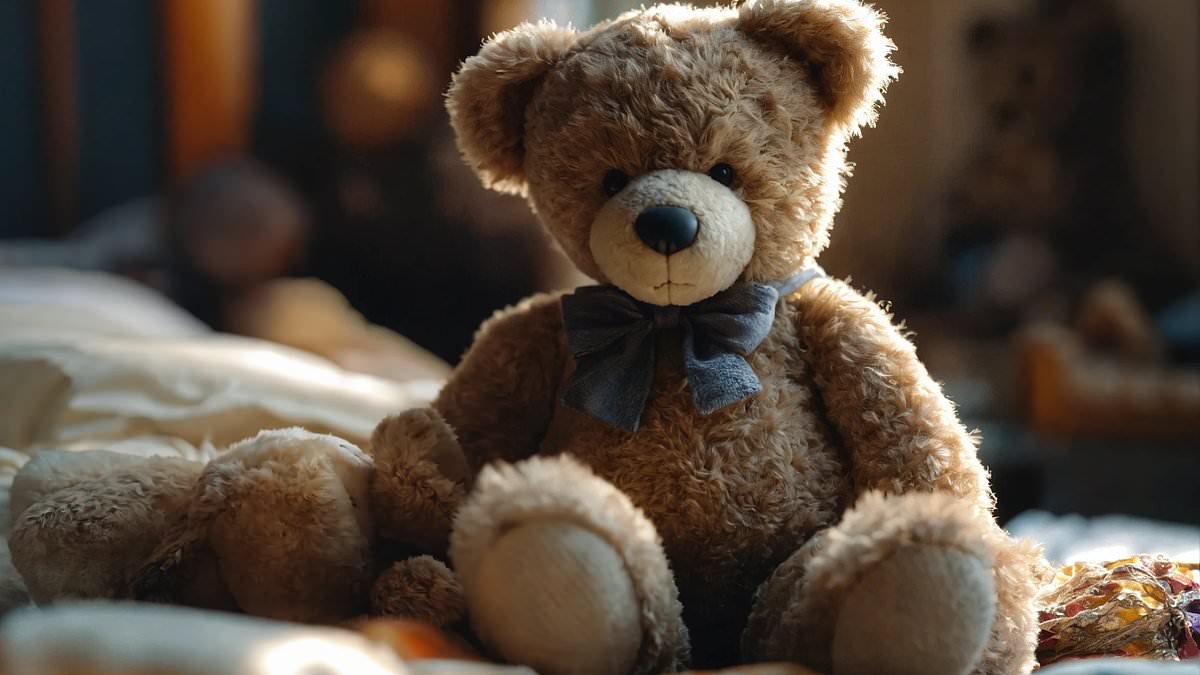
If you had to leave your home immediately, would you make a beeline for your passport, your medicine or your favourite artwork?Experts have surveyed over 1,000 Brits to find out what they would want to grab during an emergency.And it turns out most people prioritise sentimental items – such as teddy bears – rather than practical supplies.Photographs topped the list, with keepsakes coming in fourth, they discovered. People also prioritised their phone and jewellery – and of course, their pets.Participants also reported a desire to take books, laptops, ashes and diaries with them in an emergency.‘Many participants felt that personal items would be critical to their post-disaster well-being,’ Dr Anna Powell, from Liverpool John Moores University, wrote on The Conversation.‘They expressed a strong desire to keep sentimental items such as jewellery, family photographs and objects from their childhood close to them during a crisis.’ It turns out most people prioritise sentimental items - such as teddy bears - rather than practical supplies (stock image)Back in 2024, the UK government launched its Prepare initiative, urging people to make sure they have enough food, water and medicine to last 72 hours in a crisis.In addition, they need ready access to documents, cash, batteries or power banks and a wind-up radio, plus a working knowledge of emergency support in their local area.But the researchers warned the vast majority of people are unprepared – and would resort to a last-minute grab in the event of a crisis.‘Imagine it’s the dead of night,’ Dr Powell said. ‘Your phone pings with a text – it’s a government emergency alert: “Leave your home immediately! Only take with you enough supplies for three days.”‘What would you want in your go-bag?’As part of the After the End Project – a research initiative exploring how people experience and recover from crises – the team surveyed a group of British adults.They discovered most people have less than half of what is recommended by the UK government and the US Federal Emergency Management Agency.In total, only four out of 1,000 people reported being fully prepared. And nearly a third of people mentioned photographs among their must-take items.Join the discussionAre sentimental possessions more important than survival essentials in a crisis?What's your view? It comes as several incidents, including extreme heat, flooding and cyber attacks, have transpired over the last few months both in the UK Dr Powell explained that sentimental items are strongly tied to our sense of self – which explains why people are so attached to them.‘A concept in psychology called extended self theory explains why these types of items hold such importance during everyday life – and also during crises,’ she said.‘It suggests that our sense of self is fragile, and continually built and maintained through our connections with the world around us.‘A childhood teddy bear, therefore, becomes a possession imbued with memories and emotions which tell a tale of who we are, where we have come from, and who we care about.’Previous research also suggests that our ability to connect with items from pre-disaster periods influences our ability to cope and recover psychologically following an emergency.‘So, salvaging photographs and other items of sentimental value during a disaster could help preserve and rebuild our memory and identity,’ Dr Powell said.‘If everything around us falls apart, a treasured item can help us maintain some sense of normality.’She referenced survivors of the 2011 Japan tsunami, who frequently described the loss of family photos as one of their greatest emotional losses.Dr Powell said that while it’s important to have practical supplies ready, it’s worth ‘saving a little space in your backpack for something that means something to you’.Heirlooms and meaningful everyday items from before a crisis become points of storytelling afterward, she explained. ‘Whether it is a childhood teddy bear, your late mother's engagement ring or a beer coaster from a first date, these items are more than just "things”,’ she added.‘When so much else is uncertain, the small objects that remind us who we are may be among the most valuable items we can take with us.’ What people would reach for if they had to leave home in an emergency Photographs/ photo albumsPhoneJewellerySentimental items/ keepsakesDogsToys/ teddy bearsCatsPets/ animalsBooksTablet/ iPad/ e-reader/ KindleLaptop/ computer backup or storage driveRings/ wedding or engagement ringsBlanketsLetters/ cards/ journals/ diariesAshes/ urnReligious itemsCoat/ jacket/ waterproofsGames/ cards/ consoleNotebook/ paper/ pensHeadphones/ earphones/ music playerArtwork/ paintings/ children’s artGuitar musical instrumentBaby/ child care itemsPrayer materials
What would YOU grab if you had to leave your house immediately? Study reveals Brits' most common answers - with many choosing a teddy bear
Full Article
Original Source
Read the full article at Dailymail →KhanList aggregates and links to publicly available news content. We do not host full articles from third-party sources. Always verify important information with original sources.