
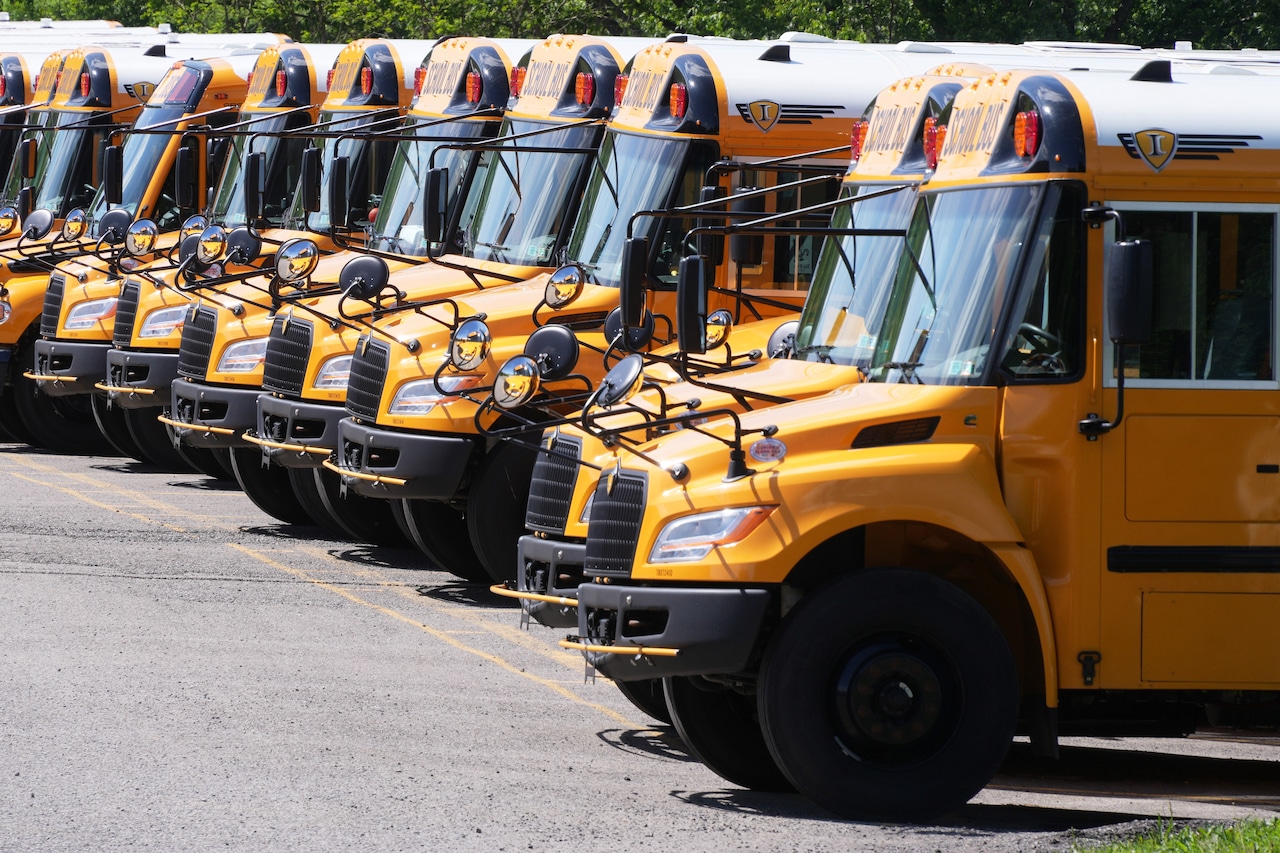
MetroOrange City Schools will ask voters Nov. 3 to approve a 5-mill operating levy, the district’s first request for new operating funding in 15 years. (AP Photo/Gene J. Puskar, File)AP Photo/Gene J. Puskar, FileBy Michael Johnson, cleveland.comcleveland.com Express DeskCLEVELAND, Ohio — Orange City Schools spends more per student than nearly every traditional public school district in Ohio, with salaries and employee benefits accounting for most of its operating costs.At the same time, the district has been drawing down its cash reserves as expenses outpace revenue. Orange is asking voters for a 5-mill operating levy on the Nov. 3 ballot that is expected to generate about $7.76 million annually.These are five takeaways from the original article, which examined Orange’s spending, reserves and the financial case behind the levy.1. Orange spends fifth-most per student in OhioOrange spent $30,716 per student in fiscal 2025, the fifth-highest amount among Ohio’s traditional public school districts.Its average classroom teacher salary of $103,987 was the highest in the state. More than 86% of its teachers had at least 10 years of experience, the seventh-highest share statewide.Enrollment has remained near 2,000 students for several years, so the district’s high per-student spending is not primarily the result of a sharp enrollment decline.2. Salaries and benefits consume about 81% of operating spendingOrange spent about $36.1 million on salaries and $14.8 million on employee benefits in fiscal 2025, or nearly $51 million combined.Those costs represented about 81% of operating spending.Health insurance costs increased 13% in October 2024 and another 11.5% in October 2025. The district says it has sought savings by changing insurance providers, reorganizing positions and revising its teacher salary schedule.3. Expenses have been rising faster than revenueOrange’s operating expenses increased from $53.4 million in fiscal 2023 to $61.1 million in fiscal 2025, a 14.4% increase.Revenue rose from $54 million to $57.4 million during the same period, an increase of 6.3%.The largest spending increases came from salaries, employee benefits and outside services such as utilities, insurance, maintenance and contracted work.4. Orange has already drawn down about $7.4 million in reservesThe district had $26.67 million in its main operating fund at the end of June 2024. It entered July 2026 with $19.23 million, a decline of nearly 28%.Without new levy revenue, district projections show that balance dropping to about $16.6 million by June 2027, $11.9 million in 2028 and $4.5 million in 2029.Those figures are projections and could change. But if current assumptions hold, Orange projects exhausting its available operating cash by 2030 unless revenue increases or spending is reduced.5. The levy would pay for existing operations, not a new building projectThe proposed 5-mill levy is expected to raise about $7.76 million annually for operating expenses.District materials say the money could support salaries and benefits, classroom supplies, technology, special and gifted education, extracurricular activities, transportation, utilities, repairs and maintenance.Orange voters last approved new general operating money in 2011. They approved a separate permanent-improvement levy in 2023, but that money is restricted to long-term needs such as roofs, heating and cooling systems, buses and other infrastructure.If the operating levy is approved Nov. 3, collections would begin in 2027.Michael Johnson brings nearly four decades of newspaper experience in reporting, editing, newsroom leadership, page design and digital publishing. He has led daily and weekly newsrooms in Pennsylvania,...
What we learned about Orange Schools’ high spending and shrinking reserves
Full Article
Original Source
Read the full article at Cleveland →KhanList aggregates and links to publicly available news content. We do not host full articles from third-party sources. Always verify important information with original sources.