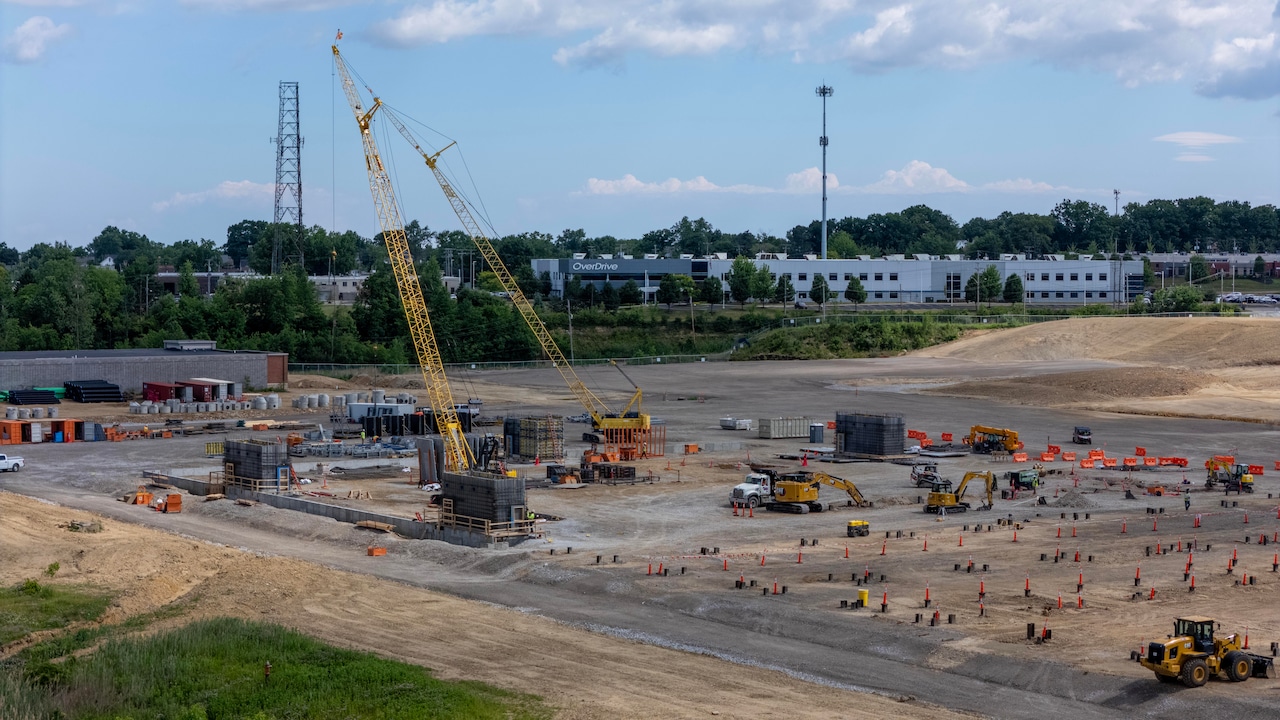
MetroAerial of construction on the Cuyahoga County Jail complex in Garfield Heights.John Pana, cleveland.comBy Michael Johnson, cleveland.comAdvance Local Express DeskCLEVELAND, Ohio — Cuyahoga and Lorain counties advanced major jail projects before obtaining approval from court and law enforcement officials whom Ohio law gives a role in those decisions.Both counties later convened the required groups and approved work already performed. The votes allowed the projects to continue, although no reported court ruling has determined whether retroactive approval legally cures an earlier failure to follow the statute.These are five takeaways from the original article, which examined how the counties missed the approval requirement and what happened after officials raised objections.1. Both counties advanced work before obtaining required approvalOhio Revised Code Section 153.36 requires major county jail and courthouse projects to receive approval from a group that includes county commissioners and designated court and law enforcement officials.Cuyahoga and Lorain counties authorized planning, design or site work before receiving that approval. Both later held meetings at which the required officials ratified earlier decisions.The disputes did not involve allegations that money was stolen or that contractors were paid for work they did not perform. The issue was whether the projects followed the approval process required under state law.2. Cuyahoga County’s dispute delayed $7.44 million in paymentsCuyahoga County Prosecutor Michael O’Malley raised the issue in March and directed officials to stop work on the planned Central Services Campus in Garfield Heights until they obtained the required approval.The disagreement prevented the county from releasing payments for completed work, including $7.44 million owed to Gilbane Building Co.At a July 20 special meeting, the officials required under the statute unanimously ratified years of planning and preliminary work, including consultant contracts, land acquisition, site preparation and fencing.The vote allowed the county to release the withheld payments. The county lists an $889 million budget for the campus, which is expected to open in 2029.3. County officials disputed when the project legally commencedCuyahoga County argued that its charter and Ohio’s design-build law allowed the administration to proceed without the statutory approval group. Officials also maintained that planning and preliminary work did not constitute commencement of the project.Ohio Auditor Keith Faber’s office rejected those arguments in an advisory letter to County Executive Chris Ronayne and County Council President Dale Miller, according to cleveland.com’s initial reporting on the dispute.The auditor’s office said it would accept retroactive approval confirming that the spending served a public purpose rather than seek repayment. Its letter was not an audit finding or court ruling.4. Lorain County used a similar process months earlierLorain County commissioners authorized up to $1.78 million through two agreements: as much as $100,000 for site development in March 2025 and $1.68 million for design development in July 2025.After Sheriff Jack Hall requested a legal opinion in February, the county formed a Jail Advisory Board containing the officials identified in the statute.On April 3, 2026, the board affirmed the need for a new jail and retroactively approved the earlier spending. It later selected a $142.6 million proposal for a 540-bed jail.5. State law preserves a role for officials who use county jailsThe approval requirement dates to 1953. Faber’s office said it ensures that sheriffs and court officials participate in decisions involving buildings they operate or use.A change effective April 9, 2025, allows commissioners to approve projects costing $75,000 or less without the additional officials. Larger projects still require majority approval and “shall not commence” without it.Ohio law permits a fine of up to $1,000 for violating public-improvement statutes, but Faber’s office did not recommend a fine or issue a finding for recovery.The statute does not expressly state that later approval cures an earlier violation. Neither county’s action has produced a reported court ruling resolving that question.Michael Johnson brings nearly four decades of newspaper experience in reporting, editing, newsroom leadership, page design and digital publishing. He has led daily and weekly newsrooms in Pennsylvania,...
What we learned about how two Ohio counties advanced jail projects without required approval
Full Article
Original Source
Read the full article at Cleveland →KhanList aggregates and links to publicly available news content. We do not host full articles from third-party sources. Always verify important information with original sources.