
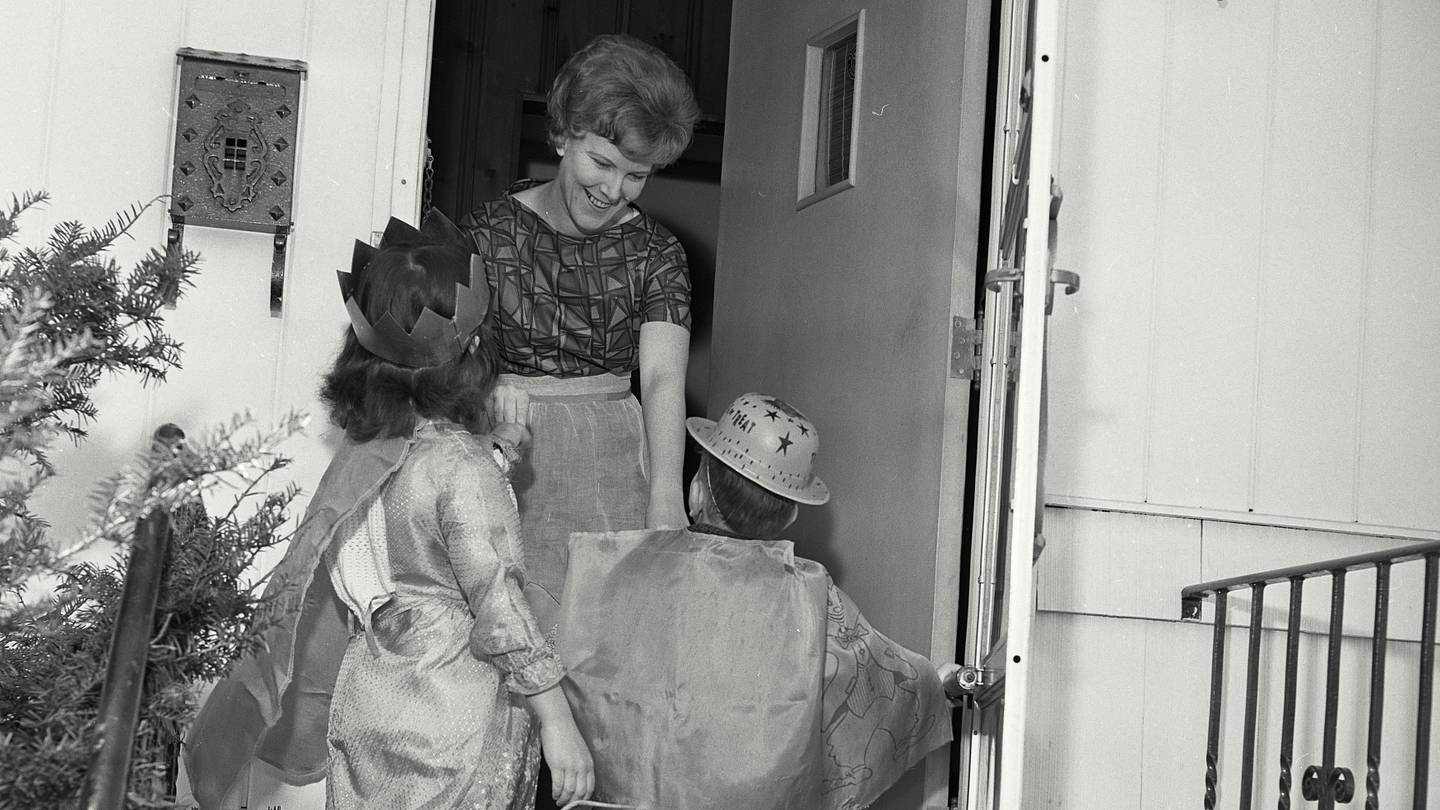
It's hard to imagine Halloween without trick-or-treating, but during World War II and the rationing of sugar, kids couldn't go door to door asking for candy. The tradition could have died out after that, but thanks to a few cartoon characters trick-or-treating, kids were clamoring to bring this Halloween festivity back.The 1950s became a renaissance of sorts for trick-or-treating, and it resurged as a more wholesome activity than its pre-war version. Pranks became much tamer, and the focus began to be more on the treats than on playing tricks. Candy companies took full advantage of this by advertising specifically for Halloween. Even though trick-or-treating looks a bit different today, we can thank the 1950s for the ritual synonymous with Halloween.The History of Trick-or-Treating in the U.S.Halloween had once been a much darker holiday, with "pranks" that included vandalism, arson, and violence. Think Pinocchio and the other boys on Pleasure Island, running rampant through the streets and terrorizing their communities. People were fed up and, during the 1930s, began transforming Halloween celebrations into small parties in homes and a less-threatening version of trick-or-treating. Tricks now meant performing a trick, like reciting a poem or singing a song, instead of playing tricks on people.After World War II, trick-or-treating did still take place, but it wasn't a national tradition in the U.S. But in 1951, Charlie Brown went trick-or-treating in the Peanuts comic strip, and the next year, Donald Duck and his nephews starred in an animated short about the tradition. These representations of trick-or-treating in pop culture popularized it, making it a countrywide ritual on Halloween.Homemade and DIY to a Commercial SuccessThe 1950s were when Halloween really began to be commercialized. Candy companies like Mars and Brach's began marketing individually wrapped candies for housewives to hand out to trick-or-treaters, and store-bought costumes, masks, and treat bags started making appearances. But many families stuck with homemade decorations, treats, and costumes.There was a lot more freedom in what you could give to trick-or-treaters, since this was before the "razor blade in the candy" panic happened. Kids in the 1950s came home with cookies, brownies, popcorn balls, and candied apples, all made from scratch by the different ladies of the neighborhood. Some houses even gave out money, and parents didn't really inspect their kids' haul for safety so much as to take some for themselves.Halloween costumes at schools, 1952. | University of Southern California/GettyImagesTricks or TreatsParents in the '50s often stayed home, allowing their children to trick-or-treat on their own. Older kids were expected to watch after the younger ones, but that was about as chaperoned as it got. Children had more independence in general, but Halloween gave them an excuse to be out even later. Parties held after trick-or-treating were still common, in order to keep kids from getting into mischief.When kids went door-to-door on Halloween in the 1950s, they didn't call it "trick-or-treating," and they actually pluralized the words they shouted when the doors opened. "Tricks or Treats" was both the phrase used and the name of the activity until at least the late 1960s. We know from the 1966 special, It's the Great Pumpkin, Charlie Brown, that the fury of a woman scorned is nothing compared to one "who was cheated out of 'tricks or treats,'"More Halloween Reads:
What Was Trick-or-Treating Like in the 1950s?
Full Article
Original Source
Read the full article at Mentalfloss →KhanList aggregates and links to publicly available news content. We do not host full articles from third-party sources. Always verify important information with original sources.