
6 min readThere’s never been a better time to get hooked on running, and there's an arsenal of running shoes to choose from. But if you blindly pick up a pair, you could end up disappointed or even injured down the road.I once grabbed a pair of shoes, simply because they were really lightweight and looked cute. But I couldn’t figure out why my feet kept aching after I wore them, especially after long runs. Turns out, they were racing shoes and clearly not designed for the regular high mileage I was putting them through.Despite whatever marketing is being thrown at you, it’s a stretch to say that the right running shoe will help you run faster or keep you from getting injured, ever. But choosing the best shoe for your needs can go a long way toward helping you feel comfortable on runs. “The right running shoe can provide appropriate support for an individual's foot type and gait patterns, and help reduce the risk of overuse injuries,” says Melissa Lockwood, DPM, a podiatrist at Heartland Foot and Ankle Associates in Bloomington, Illinois. For example, runners who overpronate—which is where your foot rolls in too much when you run or walk—may benefit from extra stability features, while other people without this issue may do best in a neutral shoe.There’s also this to consider, per Nicole Graf, DPM, founder of Lexington Podiatry and associate professor at the University of Kentucky: “A shoe won’t fix bad training habits, but definitely the incorrect shoe will absolutely show up in my office as heel pain, shin splints, or even a black toenail.” Ultimately, “the proper running shoe makes all the difference for comfort and injury prevention,” says Richard H. Graves, DPM, a podiatrist at Sol Foot & Ankle Centers in Long Beach, California.That sounds like a lot of pressure to choose the right shoe and, in some ways, it’s valid. To help you navigate through all the options out there, we consulted with three podiatrists for advice on how to wade through the world of running footwear to find the type of shoe that suits your needs. Because we’re also seasoned runners, we’re suggesting some of our favorites based on months—and sometimes years—of use.How to Find the Right Running ShoesIf you don’t like your shoes, you won’t run in them. That’s why shoes are the most important piece of equipment you’ll invest in as a runner. Consider these factors:Fit: “Proper fit is always the most important thing,” Graves says. He recommends making sure to keep at least one-quarter inch between your longest toe and the end of your shoe to ensure it fits properly. Not all shoes are sized equally, making it crucial to read the reviews. If people keep reporting that a shoe runs large or small, believe them.Comfort: This can be hard to judge by looking at a shoe’s features, but look for elements like a breathable upper, plenty of foam at the midsole (middle layer of the shoe), and a padded heel collar, which wraps around your heel inside the shoe. “It should feel good from the time you put it on and continue to feel good after walking or running around in it for a few minutes,” Graves says. Toe box: This is the front section of your shoe, which covers your toes. Most people like a roomy toe box, which gives your toes room to naturally splay as you run. “A roomy toe box is important because feet naturally swell during exercise,” Lockwood adds. When a toe box is too narrow, it can squish your toes together and hurt.Planned use: The best running shoe for daily training is very different from the one that’s the right fit for long runs, races, and trails. Each has its own special features that make it a solid choice for its intended use. So, pay attention when a brand says a shoe model is for the trail. It’s not the right fit for road running. What Are the Different Types of Running Shoes?To be fair, there’s a lot of chatter out there that can make you think every shoe is the perfect one for you. But many brands do a good job specifying what category each running shoe falls into. Keep an eye out for these terms to find your new shoes.Daily TrainersIf you’re completely stumped on what type of shoe to choose, consider going with one labeled as a daily trainer—these tend to be the most versatile. These are your everyday, jack-of-all-trades shoes. “A shoe that is a daily trainer is made to be durable and cushioned over hundreds of miles,” Graf says.As the name implies, these shoes are designed to be your go-to for daily training. So, these are the shoes you’ll wear most consistently for comfortable runs. You can also use them for faster-paced workouts, although if you’re a sprinter or tend to do a lot of speed work, you’ll want to consider a tempo or speed shoe.Best Daily TrainersTempo/SpeedIf you’re a sprinter, middle-distance runner, or just like to run fast, consider a tempo shoe, also known as a speed shoe. These shoes need to be lighter-weight and a little springier, while still giving you a locked-in feel so you’re not worried about your footwear while you’re blazing around.You’ll often see phrases thrown around with tempo shoes like “responsive foam,” which means the midsole has plenty of bounciness built in. This can help to create a sensation like it’s pushing you forward as you stride, which comes in handy when you’re trying to run faster. Will it actually help you to run faster? That’s debatable, but a good tempo shoe shouldn’t make you feel like your footwear is holding you back.Best Tempo Running ShoesDistanceIf you have a daily trainer you love and want to push the mileage, you’re probably OK to stick with that shoe type. But if you regularly do long runs or high mileage, it’s a good idea to invest in a distance shoe. These running shoes are designed to be durable enough to hold up to all those miles, while still offering enough support for your feet so you don’t feel achy at the end of your long runs.Distance shoes tend to have thicker foam at the midsole to absorb shock and reduce the risk of leg fatigue. I’ve also found that good distance shoes deliver a little more springiness and responsiveness than a daily trainer, which you’ll appreciate when you’re at the end of a long run.Best Distance Running ShoesBest for Smooth TransitionsRace/Super ShoesA newer category, these performance-focused shoes are bouncy and lightweight. They have a curved rocker shape—meaning, the sole is slightly rounded at the bottom, like a rocking chair—to support speed. These are usually race day shoes.“A racing shoe is often very light and has a carbon plate,” Graf says. (A carbon plate helps to push you forward and improves your running economy.) But these shoes are not made to last as long as daily trainers and distance shoes. “It gives up stability and lifespan for speed,” Graf says.If you get a super shoe, it shouldn’t be the only running shoe in your closet. Worth noting: These tend to be pricier than your standard running shoe, but they’re more of a “special occasion” shoe for race day.Best Running Super ShoesTrail Running ShoesTrail running shoes tend to be heavier and more rugged, but you’ll appreciate that while navigating rockier terrain. You don’t want these if you’re planning to do most road runs—they’re much too bulky and heavy for that.“A trail shoe has lugs, a protective plate, and a tougher upper,” Graf says. But, she points out, “it feels clunky on the pavement.” Some trail shoes also have a built-in gaiter or a designated spot for a gaiter attachment in case you plan to navigate especially rocky terrain.Best Trail Running ShoesKorin Miller is a seasoned freelance writer specializing in general wellness, sexual health and relationships, and lifestyle trends, with work appearing in Men’s Health, Women’s Health, Everyday Health, Food & Wine, and more. She has a master’s degree from American University and lives by the beach.Natascha is an editor and writer covering health, fitness, and the ways people move through the world. She’s been a NASM-certified personal trainer for more than a decade, with a background in functional strength training, corrective exercise, nutrition, and behavior change. She has additional CES, CNC, BCS, and SFC certifications. She is also a level-2 certified Spinning instructor. Her work has appeared in Bicycling, Runner’s World, and other outlets, and her experience spans both editorial and hands-on work across the fitness industry. Whether she’s writing about training, health, or performance, she’s most interested in making complicated topics useful, approachable, and helpful.
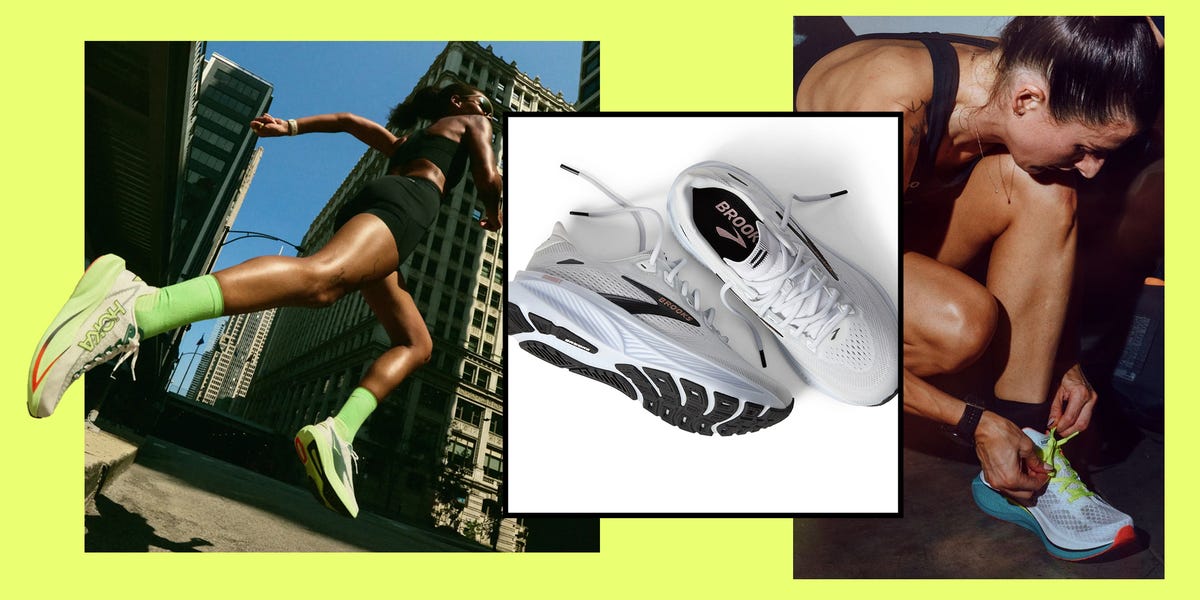
What Type of Running Shoe Do You Actually Need? Here’s How to Choose
Full Article
Original Source
Read the full article at Womenshealthmag →KhanList aggregates and links to publicly available news content. We do not host full articles from third-party sources. Always verify important information with original sources.