
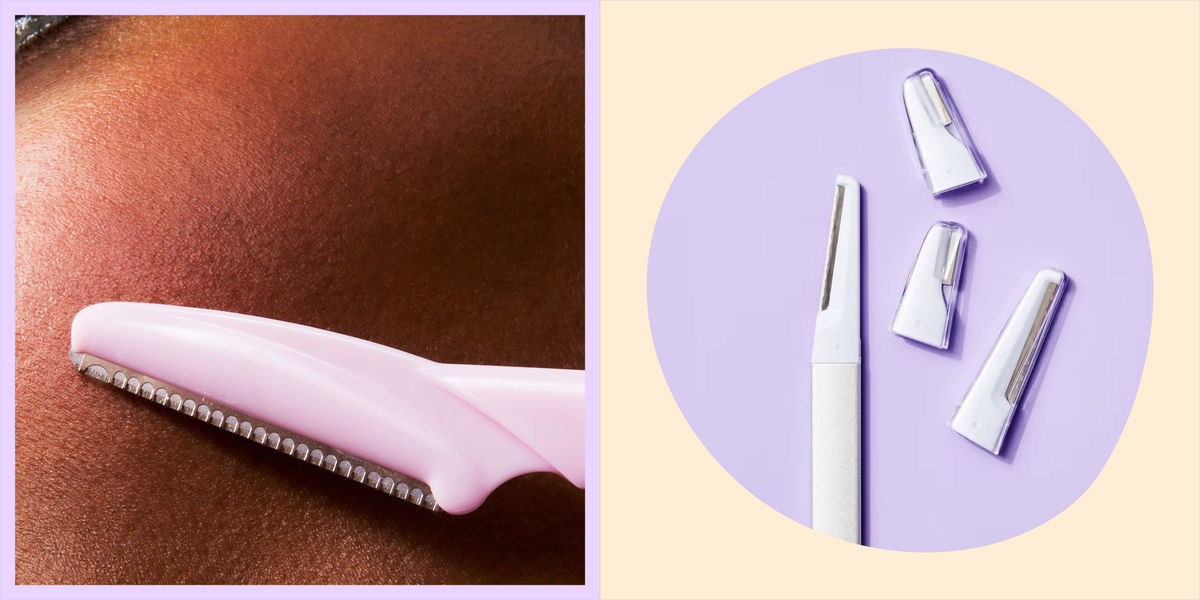
4 min readI’ve always found the idea of shaving my face for smoother skin a tad off-putting. Dermaplaning uses a sterile blade to remove dead skin cells and peach fuzz, helping reveal brighter skin, says dermatologist Azadeh Shirazi, MD, in our guide to dermaplaning tools. While these at-home tools are readily available, I never felt confident using one, so I stuck to my usual chemical and physical exfoliants.But that recently changed during a facial with Brittany Blancato, an esthetician and founder of Skinlikeb Studio in New York. Since I’d gone two months without a facial, she suggested adding dermaplaning to my treatment. Afterward, my face felt incredibly smooth and had a soft glow before Blancato even applied moisturizer. My sunscreen and foundation no longer pill into tiny balls, and my face serum seems to absorb more quickly.The only problem? This hair removal method can leave my skin temporarily more vulnerable to irritation, so dermaplaning aftercare is essential. After chatting with dermatologists and Blancato, I learned that keeping my routine simple while it recovers can help protect my skin barrier from irritation.Expert-Vetted Dermaplaning ToolsBest Overall Dermaplaning ToolMost Customizable Dermaplaning ToolWhat happens to your skin during and after dermaplaning?“Dermaplaning is not the same as removing the entire skin barrier,” says dermatologist Hadley King, MD. It only removes part of the outermost layer; most of your stratum corneum and deeper layers of the epidermis remain intact.Still, freshly dermaplaned skin may feel more sensitive and may temporarily increase transepidermal water loss (TEWL), when a small amount of water naturally passes through your skin and evaporates into the air. When your skin barrier is compromised, more water can escape this way, leaving it feeling dry and tight.That’s why Dr. King recommends treating freshly dermaplaned skin with extra TLC: Focus on hydration, barrier support, and sun protection. Don’t immediately pile on skincare products with active ingredients like lactic, glycolic, and salicylic acids.What should you avoid doing after dermaplaning?“After dermaplaning, less is more,” says dermatologist Shereen Teymour, DO. “The goal for the first few days is really to support the skin barrier rather than challenge it.” That means temporarily keeping everything gentle and avoiding new products immediately after dermaplaning. While it can be super tempting, resist the urge to pick or exfoliate your skin with scrubs and retinoids. Don’t worry: You can restart your routine after a few days, when your skin should be back to its baseline.How long should you wait to wash your face and apply moisturizer after dermaplaning?Good news: You don’t need to wait that long. If dermaplaning was done correctly on clean skin, you can follow up with a gentle moisturizer immediately afterward, says Dr. King. If you need to wash your face after, just be gentle and avoid vigorous cleansing, hot water, scrubbing, and friction. “There's no medical reason to leave the skin untouched for a particular number of hours,” she says.Best Gentle Face WashesHow should you protect your skin from the sun after dermaplaning?Even as our beauty editor, there are cloudy fall and winter days when I’m tempted to skip sunscreen. But SPF is still a year-round skin essential, especially after dermaplaning. All of the experts I spoke with—Dr. King, Dr. Teymour, and Blancato—advise using a broad-spectrum SPF 30 or higher and reapplying at least every two hours when outdoors.Sunscreen also shouldn’t be your only form of protection, says Dr. Teymour. She recommends seeking shade and wearing a wide-brimmed or UPF-rated hat when outdoors for extended periods. Your baseball cap is better than nothing, but Dr. Teymour prefers a wide-brimmed hat because it provides more coverage for the cheeks and sides of the face.Water-Resistant SunscreenSafe for Rosacea and EczemaCan you wear makeup after dermaplaning?All of the experts I spoke with advise waiting at least 24 hours before wearing makeup. This is especially true if your skin is still pink, tender, or sensitive, says Dr. King. Once you’ve waited at least a full day and your skin is comfortable, my favorite makeup hack is to use a tinted sunscreen so I get sun protection with a natural finish. Oxygenetix says its aloe-based foundation can be used after cosmetic procedures, but follow your dermatologist’s guidance before applying it to freshly dermaplaned skin.Makeup for After DermaplaningThe Skincare Award WinnerFor Medium-to-Full CoverageCan you use the sauna or exercise after dermaplaning?As for exercise, Dr. King suggests waiting at least 24 hours before doing vigorous physical activity since sweat, heat, and friction can irritate freshly dermaplaned skin. That means you should also avoid saunas, steam rooms, and very hot showers during that time because heat and sweating can exacerbate redness and irritation, says Dr. Teymour.Pro tip from Dr. Teymour: If your skin is still visibly red or sensitive after 24 hours, give it more time before returning to your normal routine.What skin reactions are normal after dermaplaning?Mild redness, tightness, or sensitivity can be normal immediately after dermaplaning and should improve fairly quickly, says Dr. Teymour. Persistent burning, significant swelling, worsening redness, crusting, blistering, or increasing pain are more concerning. These signs can indicate excessive irritation, injury, or, less commonly, infection and should be evaluated by a dermatologist, she says.Meet the ExpertsHadley King, MD, is a dermatologist practicing in New York.Shereen Teymour, DO, is a dermatologist practicing in New Jersey and New York.Azadeh Shirazi, MD, is a dermatologist and founder of La Jolla Dermatology in California.Brittany Blancato is an esthetician and founder of Skinlikeb Studio in New York.Dermatologist-Recommended, Editor-Tested Skincare ToolsAt-Home Laser Hair Removal Devices | LED Face Masks | At-Home Waxing Kits | Red Light Therapy Tools | Dermaplaning Tools | Moisturizers for Mature Skin | Microcurrent Devices | Best High-Frequency Wands | Best Face RazorsNicole Saunders is the beauty editor at Women's Health and has nine years of experience researching, writing, and editing lifestyle content. She specializes in breaking down complicated topics, like red light therapy for hair growth and LED face masks, into easy-to-understand guides. Saunders takes great pride in heavily researching and testing featured beauty products, such as strengthening shampoos and body washes for dry skin on our site. Previously, she was the beauty editor at Best Products where she tested quite literally thousands of launches for her quarterly column and the Best New Beauty Awards package. She also launched the beauty and wellness coverage at NBC News and contributed to CNN, Cosmopolitan, Billboard, The Hollywood Reporter, and Harper's BAZAAR. You can follow her on Instagram to stay in the loop on her product testing adventures.Christian is the Style and Reviews Director at Men's Health and Women’s Health, where he oversees shopping and style content for both brands. He started his magazine career as an accessories assistant at Vogue, and has since held editorial roles at Tatler Asia and The Manual. When he’s not online shopping, you can find him on long walks with his two corgis.
What to Do After Dermaplaning—and What to Avoid for Smooth, Calm Skin
Full Article
Original Source
Read the full article at Womenshealthmag →KhanList aggregates and links to publicly available news content. We do not host full articles from third-party sources. Always verify important information with original sources.