
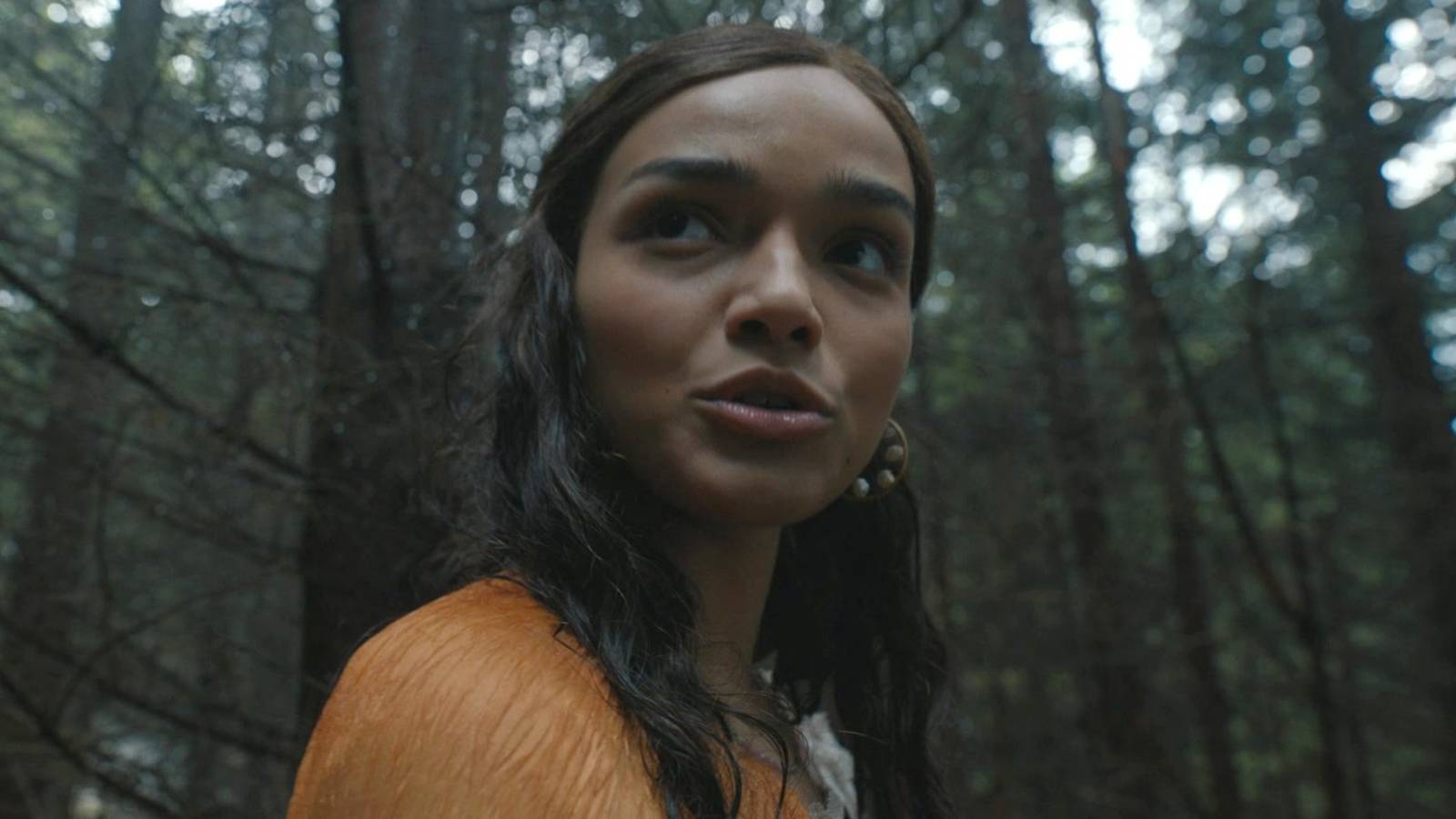
Warning! Spoilers for Sunrise on the Reaping (book and movie) ahead!Suzanne Collins' Sunrise on the Reaping included a mysterious reference to Lucy Gray Baird that provides some clues regarding her fate in the Hunger Games franchise. The question of whether she lived or died served as the final big mystery of The Ballad of Songbirds and Snakes, and that was, of course, the entire point. Audiences were meant to ruminate on this and develop their own theories regarding Lucy Gray's ending. Though Haymitch's Hunger Games prequel mentioned the character a handful of times, one particular Lucy Gray reference stands out. At the end of the Sunrise on the Reaping book, Haymitch searched desperately in the woods surrounding District 12 for Lenore Dove Baird's grave. He was finally led to a small Covey cemetery by Burdock Everdeen. Haymitch found three graves, each engraved with lines from the poems the deceased had been named for. One grave was, of course, dedicated to Lenore Dove. The other two belonged to Maude Ivory Baird and Lucy Gray Baird, both characters in The Ballad of Songbirds and Snakes. This only presents Hunger Games readers with more questions. Is Lucy Gray Alive Or Dead? What Sunrise On The Reaping's Gravestone Means For Her At the end of The Ballad of Songbirds and Snakes, Lucy Gray Baird attempts to escape Coriolanus Snow, who shoots after her through the trees. Snow was unsure whether any of his bullets had found Lucy Gray, and he was forced to flee the woods to seek care for his snake bite. As far as Ballad of Songbirds and Snakes ever revealed, Snow remained uncertain about whether Lucy Gray lived or died all the way to his death. The fact that this songbird had a grave in District 12 in the year of the 50th Hunger Games could suggest that she had died, but it's really not that simple. Lucy Gray's gravestone said only " - yet some maintain that to this day she is a living child; That you may see sweet Lucy Gray upon the lonesome wild." This is a line from the poem Lucy Gray by William Wordsworth, which the Ballad of Songbirds and Snakes character was named for. It's possible that Tam Amber and Clerk Carmine found Lucy Gray's body in the woods after Snow returned to the Capitol and buried her in the Covey cemetery. This would mean that she truly had been shot at the end of Ballad of Songbirds and Snakes. It's also possible that the two Covey men searched but couldn't find Lucy Gray, so they dedicated an empty grave to her, assuming that Snow had killed her. Additionally, the grave in Sunrise on the Reaping could indicate that Lucy Gray returned to the District 12 years later and was buried in the woods following the death of a different cause. Lucy Gray's Grave Is The Perfect Way To Honor Her Without Solving The Hunger Games' Best Mystery Custom image by Ana Nieves All the grave in Sunrise on the Reaping does is confirm that Tam Amber and Clerk Carmine have said their goodbyes to Lucy Gray. Whether they did so while possessing her actual body or they simply established an empty grave for her is uncertain. Still, Lucy Gray's grave was an important feature of Haymitch's prequel story. Whether she lived or died, it's clear through President Snow's actions in Sunrise on the Reaping that Lucy Gray left an impression. The mystery of her fate haunts him, and he takes this out of District 12 as a whole. For this very reason, Lucy Gray's fate remaining a mystery is critical. Her tragic and mysterious fate quietly fuels rebellion, so Sunrise on the Reaping providing an answer would have been a mistake. Still, it was just as important that this Hunger Games prequel emphasized Lucy Gray's role in the overarching story. The grave was the perfect way to do so. It didn't solve the mystery one way or another, but the stone demonstrated that, despite Snow's efforts, Lucy Gray was remembered. She may have lived or died, but her legacy came for the Capitol in the end all the same. The Sunrise On The Reaping Movie Cuts Lucy Gray's Grave The Sunrise on the Reaping movie takes a different approach to Lucy Gray, with most of the book's references to her omitted from the adaptation, including the grave, as well as Haymitch seeing a video of her singing on TV. This is perhaps to streamline things and keep the focus a little more squarely on Haymitch and Lenore, as Tam Amber is also cut. Instead, we simply see Haymitch reading Lenore's stone, and while it's feasible Lucy Gray's is nearby, it isn't shown on screen. This might also have been done to avoid confusing those who've only watched the movies, rather than having general audiences think she's dead. The one mention of Lucy Gray in the movie comes from President Snow, during his interaction with Haymitch in Plutarch Heavensbee's library. This itself does fit into the mystery of the character, however, as it confirms that in the movie timeline, much like the books, Snow himself has no idea what happened to her. Whether there'll ever be a return from Rachel Zegler or a recast, older version remains to be seen, but after Sunrise on the Reaping it seems unlikely there'll be any more clarity on Lucy Gray's fate in the future. Publisher(s) Scholastic Press Genre Sci-Fi, Dystopia, Young Adult, Fantasy, Adventure Number of Pages 400 Franchise The Hunger Games ISBN# 9781546171461 Author(s) Suzanne Collins
What THAT Lucy Gray Reference In Sunrise On The Reaping Means For Her Hunger Games Fate
Full Article
Original Source
Read the full article at Screenrant →KhanList aggregates and links to publicly available news content. We do not host full articles from third-party sources. Always verify important information with original sources.