
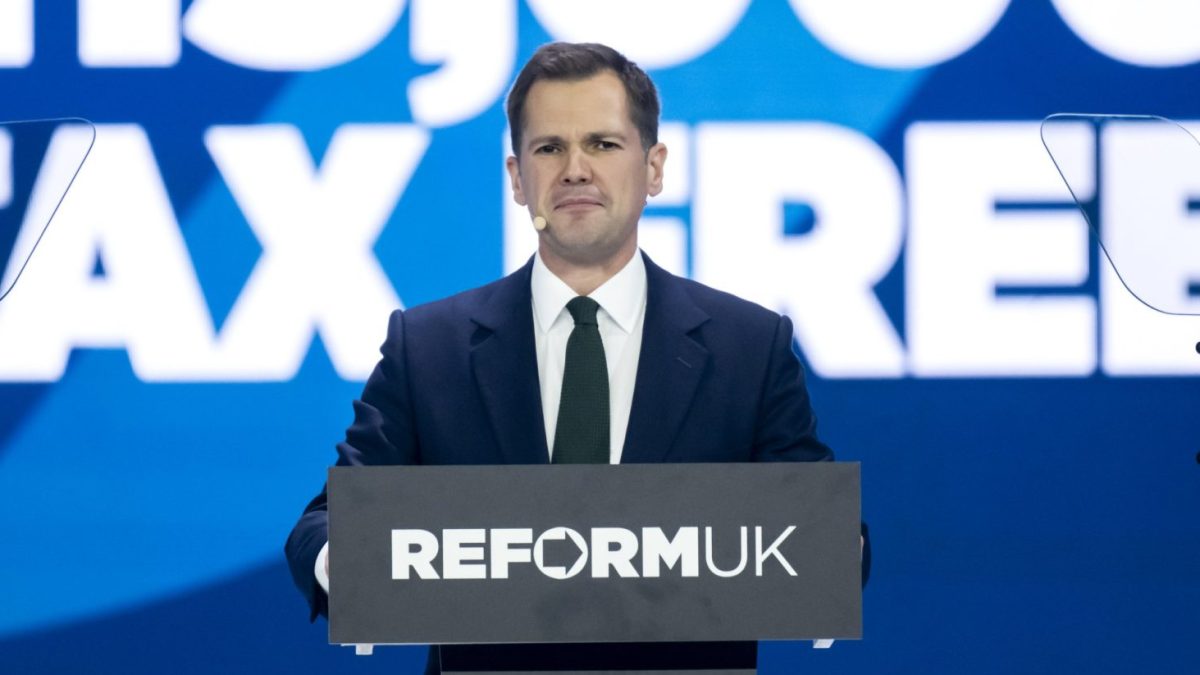
Reform UK has pledged to raise the salary threshold that workers need to earn before they start paying tax if it were to win power. At the party’s conference in Birmingham this weekend, Reform’s economic spokesperson and former Conservative MP, Robert Jenrick announced the tax-free personal allowance would rise from £12,570 to £15,000 in their first 100 days in government. The allowance is the amount a worker can earn before they need to start paying income tax. The current tax-free personal allowance was fixed at £12,570 five years ago and has been frozen by Labour until 2031. Reform claimed this figure has not risen with inflation. Speaking on Saturday afternoon at the party conference, Jenrick said: “They taxed work. We will reward it. “They broke this country. We will mend it. They ask for decades. We’ll deliver in days. If not us, then who? If not now, then when?” If the policy wasn’t implemented in the first 100 days, Jenrick said he would resign from Reform. Robert Jenrick defected from the Conservatives to Reform in January this year. (Photo: Henry Nicholls/AFP) In a letter to leader Nigel Farage posted on X, Jenrick said: “It is a promise I plan to keep. If I do not deliver it, I should not remain chancellor. Please consider this my letter of resignation.” Speaking at the conference, he also announced his desire to raise the tax-free allowance even further once elected to £20,000. How would you be affected? Under the policy, anyone earning £15,000 or under would pay no income tax, which Reform estimates is around 2.9 million people in the UK. But it also means tax cuts for people earning above this rate. Currently, people earning between £12,570 and £50,720 pay 20 per cent income tax. So, by raising the tax-free limit, workers will no longer have to pay income tax on £2,430, providing savings of up to £486 per year, or around an extra £40 a month. Reform said the tax cuts will affect 40 million British taxpayers. If the personal allowance was raised even further to £20,000, this would mean people earning between £20,000 to £50,000 would save an extra £1,846 per year. How will the tax cut be financed? The policy would come at a huge cost. Reform said it would cost £17.7bn in the first year, which would increase to £21m by the end of their fifth year in power. This would be financed through spending cuts, particularly in welfare, which the party said would save £80bn. The rest of the shortfall would be made up by abandoning net zero programmes, which cost £10 billion, and civil service and foreign aid cuts. Prime minister Andy Burnham has not ruled out raising taxes ahead of his autumn Budget. Last week he said the UK is in a “challenging position” financially. He told ITV News: “Whatever I do will be carefully thought through. It will be funded. That is exactly what I have done so far but there will be more to come as we go into the autumn.”
What Reform’s tax-free allowance could mean for your money
Full Article
Original Source
Read the full article at Inews →KhanList aggregates and links to publicly available news content. We do not host full articles from third-party sources. Always verify important information with original sources.