
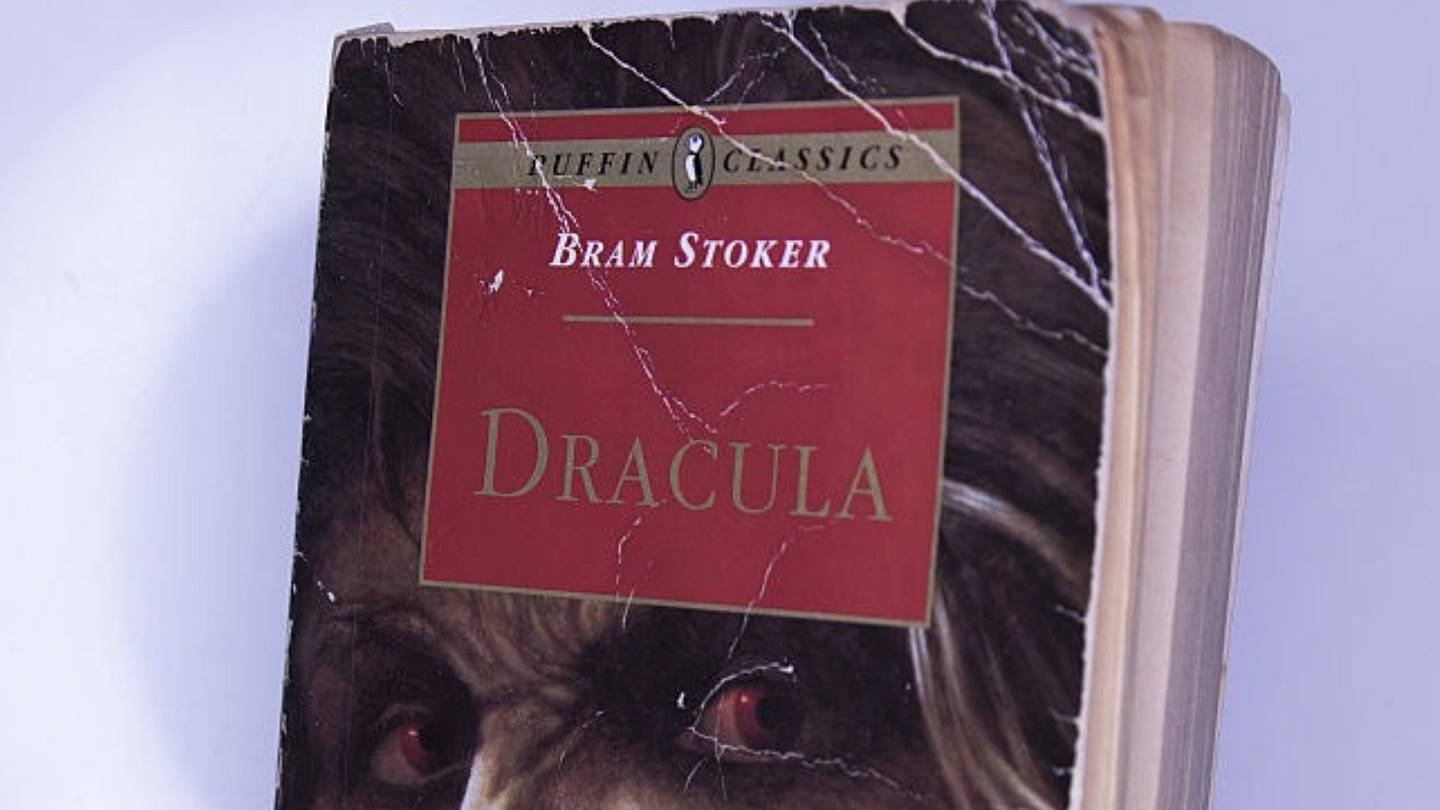
Bram Stoker’s 1897 novel Dracula has become one of the most famous works of Gothic literature, and both the book and the title character continue to cast a major cultural shadow today. A sign of the book’s enduring success is that it has never been out of print, ever since its very first publication. But what were the reactions like when the novel was first published in the 1890s? Here is a look at some contemporary assessments of literature’s most famous vampire story.Bram Stoker's DraculaPortrait of Bram Stoker Seated | Bettmann/GettyImagesStoker, whose first name was short for Abraham, was Irish and had been born and educated in Dublin before moving to London in 1879 when he was in his thirties. By this time, he was already making a name for himself as a writer, and he would also become well known in London for running one of the city’s most notable theatres, the Lyceum (some of Dracula was actually written within that same theatre). The novel’s story is told through letters and journal entries, encompassing the perspectives of multiple characters as the plot moves between countries. One of the working titles for the novel was The Un-Dead, and Stoker signed the contract for the book under this title, before ultimately deciding on the name of the central character as the final title. Dracula was published in the UK on 26 May 1897 by the British company Archibald Constable, at a cost of 6 shillings. It would not lead to financial success for Stoker, whose contract with the publisher stipulated that he could not receive any royalties until half of the initial print run was sold, while every copy sold after the first 1000 would earn him one shilling and sixpence from the overall cost of the book. The initial print run was 3000 copies. To help promote the book, 500 copies were sent out from the initial UK print run to friends, family, and journalists who would be in a position to let people know about the novel. So what did literary critics of the day have to say about it?Literary Critics and Contemporary ReviewsCover of novel by Bram Stoker "Dracula" 1901 | Apic/GettyImagesThose who liked it included the Bristol Times and Mirror, which stated, “The story is cleverly constructed and brilliantly told, and we do not think we can add further praise to the manner in which Mr. Bram Stoker sets forth the mysterious and the awful” and British Weekly, which declared: “It is certain that no other writer of our day could have produced so marvellous a book.” Another notable fan in the world of literature was Arthur Conan Doyle, creator of Sherlock Holmes, with Doyle writing a personal letter to Stoker expressing his enthusiasm for the book: “I think it is the very best story of diablerie which I have read for many years. It is really wonderful how with so much exciting interest over so long a book there is never an anticlimax. It holds you from the very start and grows more and more engrossing until it is quite painfully vivid.” Those who were mixed on the novel included the Athenaeum, which stated, “‘Dracula’ is highly sensational, but it is wanting in the constructive art as well as in the higher literary sense. It reads at times like a mere series of grotesquely incredible events” and the Spectator, which said: “Its strength lies in the invention of incident, for the sentimental element is decidedly mawkish. Mr. Stoker has shown considerable ability in the use that he has made of all the available traditions of vampirology, but we think his story would have been all the more effective if he had chosen an earlier period.”Another feature in some contemporary reviews were warnings on the potentially frightening story, including The Times cautioning readers: “We would not, however, recommend it to nervous persons for evening reading.”Ultimately, readers tended to side with the critics who liked the book, and it sold well, although it was not the bestselling novel of its year, being outdone by other works including Richard Marsh’s novel The Beetle. However, the fact that some critics and many readers were positive about it did not mean its impact was immediate, and only in later decades did Dracula’s significance begin to accumulate. Likewise, for several decades after the novel was published, little was written by scholars before academics began to take it seriously. Yet we can see from some of these early reviews that those who did foresee it ultimately having a lasting impact would eventually be proven right. It is ironic that one of the less well-known papers to have reviewed the novel, the Derby Mercury, would turn out to have some of the longest foresight when it said that Dracula “will hold its own with the few really powerful stories of its kind which have lived in literary history.” Read More:
What Readers Thought of 'Dracula' When It Was Published in 1897
Full Article
Original Source
Read the full article at Mentalfloss →KhanList aggregates and links to publicly available news content. We do not host full articles from third-party sources. Always verify important information with original sources.